
Plants
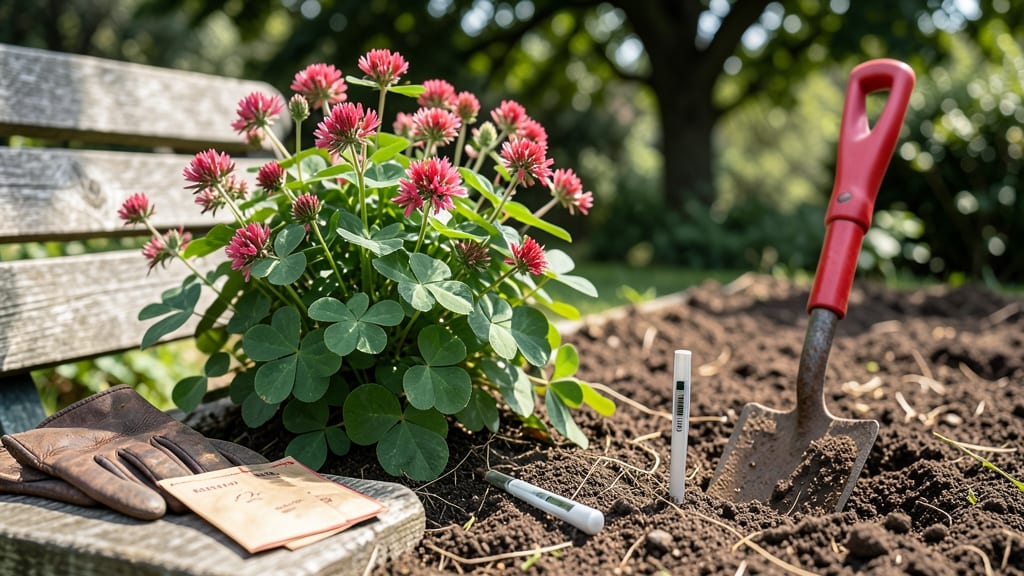
Planting crimson clover 🌸 at the wrong time in Tennessee can mean the difference between a thriving cover crop and wasted effort. The key isn't just following calendar dates—it's understanding how soil temperatures in your specific zone (6a-8a) trigger fast germination and strong root growth.
If you've ever struggled with slow-growing clover or patchy coverage, you're not alone. Many gardeners in Tennessee overlook the 55-65°F soil temperature window that's perfect for crimson clover establishment. This fast-growing plant needs the right conditions to take off quickly before winter sets in.
I'll show you exactly when to plant in Tennessee's climate—whether you're in Nashville's 7a zone or Memphis' 8a—plus soil prep tips and post-planting care to ensure your clover establishes before the first frost. Let's get those seeds in the ground at the perfect moment.
The best planting window actually starts 4-6 weeks before your first frost, typically August-September in Tennessee. We'll cover everything from seed depth to spacing, so you can avoid common mistakes that lead to poor establishment. Ready to transform your soil with this hardworking cover crop?
Tennessee soil temperature zones for crimson clover planting success
Crimson clover (Trifolium incarnatum) thrives when planted at the right soil temperatures—typically between 55-65°F. In Tennessee’s varied climate, this means understanding your USDA hardiness zones (6a-8a) and regional microclimates.
Nashville’s warmer pockets may allow earlier planting, while higher elevations in Knoxville or the Smoky Mountains require later timing to avoid frost damage.
Soil thermometers are your best friend here. Aim for consistent daytime temps above 60°F before sowing seeds. In Tennessee, this usually aligns with late August to early September for fall plantings—the sweet spot for establishing roots before winter.
Spring plantings can begin in early April once nighttime temps stay above freezing.
Here’s the critical detail: crimson clover seeds need warmth to germinate, but established plants can handle cooler temps. If you plant too early, seeds may rot; too late, and your cover crop won’t mature before frost. The 4-6 week window before first frost is non-negotiable for optimal growth.
🌱
Tennessee Soil Temp & Planting Guide
| Region | Optimal Soil Temp (°F) | Best Planting Window | Germination Time | Frost Risk |
|---|---|---|---|---|
| West TN (Memphis) | 58-65°F | Aug 15 - Sep 15 | 7-14 days | Low (Zone 7b-8a) |
| Middle TN (Nashville) | 55-62°F | Aug 20 - Sep 10 | 10-14 days | Moderate (Zone 7a) |
| East TN (Knoxville) | 52-58°F | Sep 1 - Sep 20 | 14-21 days | High (Zone 6b-7a) |
| High Elevations (Smokies) | 50-55°F | Sep 10 - Oct 1 | 21-28 days | Very High (Zone 6a) |
Adjust for microclimates—valleys warm faster than ridges!
Don’t let Tennessee’s humidity and summer heat fool you into planting too early. While daytime temps may feel warm, soil stays cooler due to moisture retention. Use a soil thermometer at 2-inch depth to confirm readiness. Pro tip: Morning soil temps are most accurate for planning.
If you’re in Zone 7a or warmer, you can push fall plantings into early October. But in cooler zones, wait until after September 15 to avoid stunted growth. Crimson clover’s deep taproots need time to establish before winter—rushing leads to shallow root systems that freeze out.
For spring plantings, wait until soil warms to 55°F consistently. In Memphis, this is early April; in the mountains, it’s late April. Use black plastic mulch to warm soil faster if you’re eager to start. Just remove it once seeds sprout to avoid overheating young plants.
🌡️
One common mistake? Planting based on air temperature instead of soil temp. A 90°F day in July won’t help if your soil is still below 60°F.
Test your garden’s soil in morning shade—that’s when temps are most stable. If you’re unsure, plant a test row a week early to gauge germination speed.
Remember: Crimson clover’s primary goal is soil health, not blooms. Prioritize root development over flowering by planting at the right time. A well-timed fall crop will outperform a rushed spring planting every time in Tennessee’s climate.
Best planting windows in Tennessee: month-by-month guide with frost alerts
Tennessee’s variable climate makes timing critical for crimson clover success. Unlike cool-season crops, crimson clover thrives when soil temperatures hit 55-65°F, but planting too late risks frost damage before establishment. The ideal window spans August through September, aligning with Tennessee’s USDA Zones 6a-8a and avoiding early winter freezes.
For spring planting, aim for April to early May—after the last frost (typically April 15) but before summer heat stresses young seedlings.
In Zone 7a (Nashville), this means starting seeds indoors in March for transplanting outdoors by late April. Late starters can try September plantings, but prioritize frost-tolerant varieties like 'Dixie' for better survival.
Soil temp: 60-70°F | Best for establishment before winter
✅ Pros: Avoids summer heat, thrives in cooler fall temps
⚠️ Cons: Late Sept. plantings may struggle in Zone 6a
Soil temp: 55-65°F | Post-last-frost timing
✅ Pros: Longer growing season in Zones 7a-8a
⚠️ Cons: Summer drought risks in Zone 8a
Soil temp: 60°F+ | High-risk for frost in Zone 6a
✅ Pros: Escape summer heat, early spring bloom
⚠️ Cons: Needs row covers in late fall
Use local frost date maps (like Almanac.com) to adjust timelines.
In Memphis (Zone 8a), September plantings often succeed with mulch protection, while Knoxville (Zone 7a) gardeners should finish by mid-September to avoid frost. Test soil temps with a soil thermometer—crimson clover seeds won’t germinate below 55°F, even if calendar dates suggest otherwise.
For large-scale plantings, stagger seeds every 2-3 weeks in August to ensure continuous growth.
In small gardens, prioritize early September for a fall-winter-green cover crop that suppresses weeds and fixes nitrogen. Overseeding in late winter (February) is another trick for Zone 7a-8a areas, but use frost blankets if nights dip below 28°F.
Remember: Crimson clover’s primary goal is soil health, not blooms. Plant 4-6 weeks before frost to let roots establish—this ensures winter survival and spring regrowth, even if tops die back. Mark your calendar and check NOAA frost forecasts weekly for real-time adjustments.
🌱