
Plants
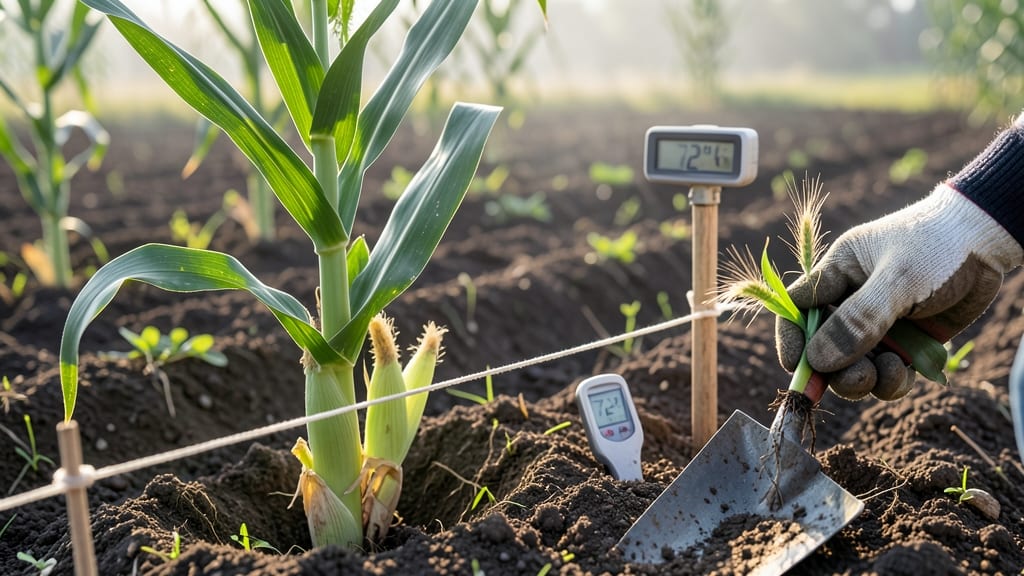
Knowing when to plant corn in West Virginia could save you from a disappointing harvest—or help you grow the sweetest ears of the season. With West Virginia’s Zone 7 climate, timing is everything, and getting it right means avoiding frost damage while maximizing your growing window.
Corn thrives when planted after the last frost, but West Virginia’s unpredictable spring weather can make that tricky. Whether you’re growing sweet corn 🌽 for summer meals or field corn for fall, understanding your local frost-free dates and soil temperatures is the key to success.
Let’s break down the best planting windows and how to adjust for your specific microclimate.
From early-season varieties like 'Silver Queen' to late-season favorites, the right choice depends on your location and goals. I’ll share the exact planting timeline, soil prep tips, and even how to extend your growing season if Mother Nature throws a curveball.
Ready to grow corn that’s tall, sweet, and ready for harvest? Let’s dive into the perfect planting schedule for West Virginia gardeners—so you can enjoy fresh corn on the cob all summer long.
West Virginia Zone 7 corn planting calendar: frost-free dates & optimal windows
West Virginia’s Zone 7 climate offers a 60- to 90-day growing season for corn, making timing critical. The last spring frost typically arrives between April 15 and May 15, while the first fall frost hits between October 1 and November 1.
These dates create a 150- to 180-day frost-free window, perfect for corn’s needs.
For sweet corn varieties, aim to plant when soil temperatures reach 60°F (15°C)—usually mid-April to early May in lowland regions like Charleston or Huntington.
Highland areas like Elkins or Lewisburg may need to wait until late April to early May due to cooler microclimates. Field corn and popcorn can tolerate slightly cooler soils but still benefit from warmer temperatures for faster germination.
According to WVU Extension, the ideal planting window spans 30 days after the last frost. Planting too early risks cold soil damage, while waiting too long may result in immature ears before frost.
Use this window to your advantage by staggering plantings every 10 days for a continuous harvest.
Here’s a quick reference for West Virginia’s corn planting calendar, broken down by region and variety type:
| Region | Last Frost Date | Optimal Planting Window | Soil Temp Threshold | Variety Recommendation |
|---|---|---|---|---|
| Lowland (Charleston, Huntington) | April 15 - May 1 | April 20 - May 15 | 60°F (15°C) | Silver Queen (70 days), Peaches & Cream (80 days) |
| Valley (Morgantown, Clarksburg) | April 20 - May 5 | April 25 - May 20 | 58°F (14°C) | Country Gentleman (75 days), Honey & Pearl (85 days) |
| Highland (Elkins, Lewisburg) | May 1 - May 15 | May 5 - May 30 | 60°F (15°C) | Early Sunglow (65 days), Golden Bantam (70 days) |
If you’re unsure about your local frost dates, use WVU Extension’s frost calculator or check with your county agricultural extension office. These resources provide hyper-local data that can adjust your planting by 1-2 weeks depending on elevation and microclimates.
For example, areas near rivers or lakes may experience warmer soil temperatures earlier in the season.
Corn thrives in full sun (6+ hours daily), so choose a south-facing plot with well-draining soil. Amend your soil with compost or aged manure before planting to ensure nutrients are available during the 60- to 90-day growth cycle.
Test your soil’s pH—corn prefers a range of 6.0 to 6.8—and adjust with lime or sulfur if needed.
For direct sowing (the preferred method for corn), plant seeds 1 inch deep and 4-6 inches apart in rows 30-36 inches apart. This spacing allows for proper air circulation and reduces the risk of fungal diseases like corn smut.
Avoid transplanting corn seedlings, as they struggle to establish roots after being moved.
Stagger your plantings by 10-14 days to extend your harvest window. Early varieties like Early Sunglow mature in 65 days, while later varieties like Honey & Pearl take 85 days.
By planting in successive batches, you can enjoy fresh ears from mid-July through September, even in West Virginia’s shorter growing season.
Remember, corn is a heavy feeder, so side-dress with nitrogen-rich fertilizer (like blood meal) when plants reach 12 inches tall. This boosts ear production and ensures sweet, plump kernels at harvest time. Keep soil consistently moist but avoid waterlogging, which can lead to root rot.
🌽
How to adjust corn planting time for West Virginia’s unpredictable weather patterns
West Virginia’s Zone 7 climate throws curveballs with late frosts and sudden heatwaves—so flexibility is key when planting corn. I’ve learned the hard way that rigid planting schedules often fail here.
The good news? With a few smart adjustments, you can extend your growing season and still enjoy a bountiful harvest.
First, focus on early-maturing varieties like 'Silver Queen' (70 days) or 'Peaches & Cream' (80 days). These varieties give you a 10-14 day head start compared to standard corn. I’ve had success planting them as early as mid-April in lowland areas, even if the soil isn’t fully warm.
🌱
5 Ways to Adjust Corn Planting for WV Weather
- 🌡️ Use black plastic mulch to warm soil 5-10°F faster than bare ground. Lay it down 2 weeks before planting for best results.
- 🌱 Plant in stages every 10-14 days for a continuous harvest. This spreads risk if early plantings fail.
- 🛡️ Protect seedlings with floating row covers until soil warms to 55°F. These also deter pests like corn earworms.
- ⏰ Adjust for elevation: Highland areas (like Lewisburg) may need to wait until late May, while lowlands (like Charleston) can plant in early April.
- 💧 Keep soil moist during dry spells—corn roots need 1 inch of water weekly once established. Drought stress slows growth by 30%.
For highland gardeners, I recommend planting bicolor corn varieties like 'Country Gentleman' (90 days), which handle cooler soils better. In my Zone 7a garden at 2,500 feet, I’ve had success starting seeds indoors in biodegradable pots and transplanting after the last frost—usually May 15.
Don’t overlook soil temperature—corn seeds won’t germinate below 50°F. I use a soil thermometer to confirm 60°F+ before planting. If temperatures dip again, cover plants with lightweight row fabric to protect tender shoots.
Finally, watch the 7-day forecast before planting. If a hard frost is predicted within 10 days, delay planting or use heat-loving companion plants like beans to warm the soil naturally. With these adjustments, even WV’s unpredictable springs won’t ruin your corn crop!
☀️