
Plants
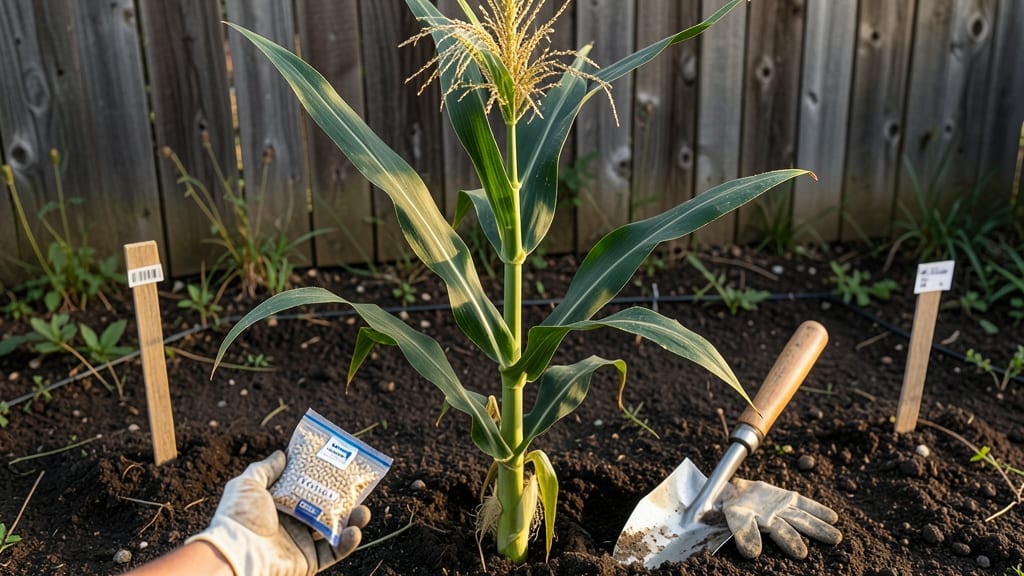
Timing your 🌽 corn planting in West Virginia could make or break your harvest—especially with the state’s tricky frost dates and elevation shifts. Plant too early, and a late freeze will wipe out your tender seedlings.
Wait too long, and you might miss the sweet spot for plump, juicy ears by summer.
Most West Virginia gardeners in USDA Zone 6a should aim to plant corn between late April and early May, once the soil warms to at least 60°F.
But here’s the catch: higher elevations near Beckley or Morgantown need to wait a few extra days, while lowland areas like Charleston can start slightly earlier. Getting this right means the difference between a bountiful harvest and a sad, stunted crop.
I’ve seen firsthand how a well-timed planting transforms a garden—especially when you factor in soil temperature and local microclimates. In this guide, I’ll break down the exact frost-free windows for your elevation zone, plus pro tips to adjust for West Virginia’s unpredictable spring.
Let’s make sure your 🌽 corn thrives from seed to silks!
Ready to avoid the most common mistakes? You’ll learn how to check soil readiness, choose the right varieties for your area, and even extend your growing season with simple tricks.
By the end, you’ll know exactly when to grab those seeds and get planting—so you can enjoy fresh, homegrown corn from July right through September.
West Virginia corn planting dates by elevation zone: avoid late frost
West Virginia’s diverse elevation zones create big differences in corn planting windows. Lowland areas like Charleston (Zone 7b) have longer growing seasons, while highland regions near Beckley (Zone 6a) face earlier frosts.
Timing is critical—plant too early, and frost will kill seedlings; too late, and ears won’t mature before fall.
Use the last average frost date as your guide: April 15 in most areas, but check local records for your specific microclimate. Soil temperature must reach 60°F (15°C) for germination. A soil thermometer is your best friend here!
Key elevation zones in West Virginia: - Lowland (300-1,000 ft): Charleston, Huntington (Zone 7b) - Mid-elevation (1,000-2,000 ft): Morgantown, Clarksburg (Zone 6b-7a) - Highland (2,000+ ft): Beckley, Elkins (Zone 6a)
| Elevation Zone | Last Frost Date | Planting Window | Harvest Window | Recommended Varieties |
|---|---|---|---|---|
| Lowland (300-1,000 ft) | April 1-15 | Mid-April to early May | Late July to September | Silver Queen, Peaches & Cream, Country Gentleman |
| Mid-elevation (1,000-2,000 ft) | April 10-25 | Late April to mid-May | Early August to early September | Early Sunglow, Honey & Pearl, Bodacious |
| Highland (2,000+ ft) | May 1-10 | Late May to early June | Mid-August to late August | Early Sunglow, Golden Bantam, Silver Queen |
Note: Adjust planting dates 1-2 weeks earlier for lowland areas and later for highland zones.
For Charleston gardeners, aim for mid-April planting—this gives your 75-day varieties enough time to mature before the first frost in mid-October. In Beckley’s highlands, wait until late May to avoid frost damage to young plants.
Pro tip: Use black plastic mulch to warm soil faster in cooler zones. This can shave off 1-2 weeks from your planting timeline by raising soil temperatures by 5-10°F. Just remove it after harvest to return nutrients to the soil!
West Virginia’s microclimates mean your neighbor’s perfect harvest might not work for you. Check with your local Cooperative Extension office for hyper-local frost data. They often have 5-year averages that account for recent climate shifts.
If you’re in a transition zone (like between Charleston and Morgantown), err on the side of planting later. Corn is more forgiving of cool nights than hot afternoons, so a slightly delayed start often yields better results than pushing the envelope with early planting.
Remember: Corn needs 90-120 frost-free days to mature. If your zone has only 100 days between frosts, stick to early-maturing varieties (60-75 days) to ensure success. Varieties like Early Sunglow (68 days) are perfect for highland areas.
Finally, consider succession planting every 2 weeks for a continuous harvest. This works especially well in lowland zones where the growing season stretches into early October. Just be sure your last planting has at least 90 days left before frost!
How to adjust corn planting for West Virginia’s microclimates
West Virginia’s rolling terrain creates microclimates that can shift planting windows by weeks. In lowland areas like Charleston, you might plant Silver Queen corn as early as late April, while highland zones near Beckley often wait until early May to avoid frost.
These variations mean one-size-fits-all advice fails—adjusting for your specific elevation is key.
For higher elevations (above 2,500 feet), opt for early-maturing varieties like Peaches & Cream (60-65 days to harvest). These varieties thrive in cooler temperatures and shorter growing seasons. In mid-elevation areas (1,500-2,500 feet), standard varieties like Bodacious (85-90 days) work well with proper timing adjustments.
🌱 Row covers are your best friend in unpredictable zones. Use them to extend the growing season by 2-3 weeks, protecting young plants from late frosts. Lay them over seeds after planting and remove when plants reach 12 inches tall.
This trick lets you plant 10-14 days earlier in marginal zones without risking frost damage.
⚠️ Warning: Don’t Plant Too Early!
Cold soil (below 50°F) stunts germination. Test soil temperature with a soil thermometer—wait until it hits 60°F+ for 7+ days. Early planting in highland zones often leads to poor germination or fungal diseases like seed rot.
If you’re in a valley or south-facing slope, you can push planting to early April—these areas warm faster. But monitor frost forecasts closely. Use a frost clock or local Cooperative Extension Service updates for real-time adjustments.
For example, Morgantown’s last frost averages April 20, but years like 2020 saw frost as late as May 5.
For container growing in urban areas, use black plastic pots to warm soil faster. Plant 1-2 weeks later than ground planting to avoid overheating roots. Varieties like Golden Bantam (70 days) are ideal for containers, as they mature quickly and fit smaller spaces.
💡 Pro tip: Plant in successive batches every 2 weeks. This ensures a continuous harvest from July through September, even if your microclimate has a short growing window.
For example, plant one batch in late April, another in early May, and a final one in mid-May for staggered maturity.