
Plants
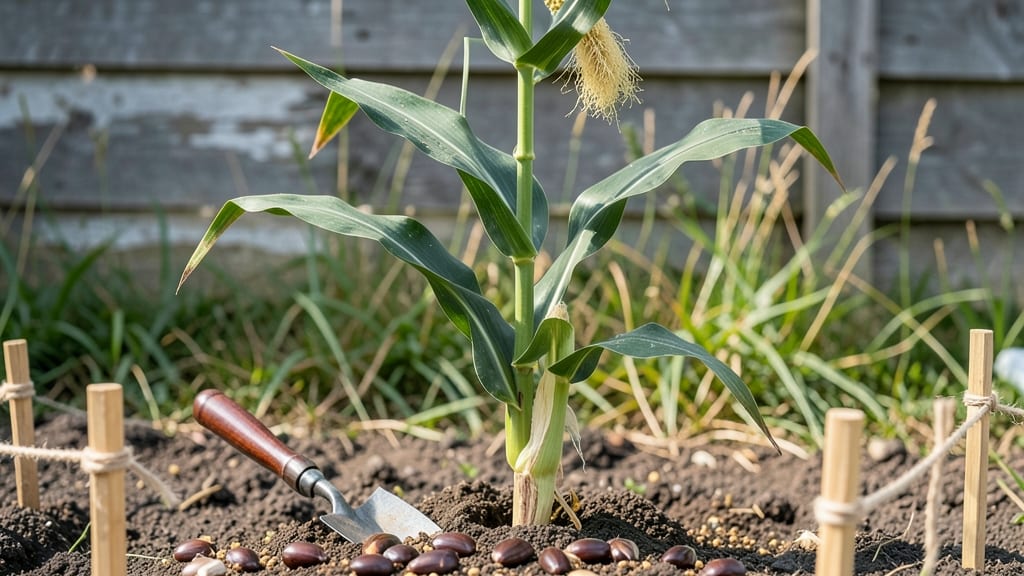
Timing your corn planting in Middle Tennessee isn't just about following a calendar—it's about unlocking peak yields of sweet, juicy 🌽 that'll make your garden the talk of the neighborhood. With the right window, you can avoid frost damage and ensure your plants mature just in time for summer feasts.
In Zone 7a, where last frosts typically hit around April 15, planting too early risks stunted growth, while waiting too long may leave you with underdeveloped ears.
I'll show you exactly when to drop those seeds for maximum success—whether you're growing sweet corn for the table or field corn for livestock.
Most gardeners in Middle Tennessee plant between mid-April and early May, but the best time depends on soil temperatures and your specific variety. We'll break down how to adjust for early vs. late maturing types and even account for those pesky microclimates that can throw off your schedule.
Ready to grow corn that rivals the pros? Let's dive into the science-backed deadlines that'll turn your garden into a cornucopia of golden ears—no guesswork required.
Optimal planting windows for corn in Middle Tennessee Zone 7a
Corn thrives in Middle Tennessee’s Zone 7a climate, but timing is everything. Plant too early, and frost will kill tender seedlings. Too late, and your harvest shrinks before fall frost hits.
My sweet corn and field corn varieties need precise deadlines to reach their full potential—typically between mid-April and early May, when soil temperatures hit 60°F consistently.
For early varieties, I start seeds indoors in late March to transplant outdoors by April 1st. This gives them a head start against late frosts. Meanwhile, late-maturing varieties like Silver Queen can wait until early May, extending the harvest window into October.
The key is matching your variety’s days to maturity with your local frost-free period.
Middle Tennessee’s average last frost date falls around April 15, but microclimates vary. High elevations in areas like Nashville’s hills may frost later, while urban heat islands in Memphis can push planting dates slightly earlier. Always check your local frost-free calculator for precision.
Here’s my go-to planting schedule for Zone 7a:
- Early corn (60-70 days to harvest): Start seeds indoors March 20–April 1, transplant April 1–15
- Mid-season corn (75-85 days): Direct-sow April 15–May 1
- Late corn (90+ days): Direct-sow May 1–15 for fall harvests
| Variety Type | Ideal Planting Window | Soil Temp Requirement | Days to Maturity | Harvest Window |
|---|---|---|---|---|
| Sweet Corn (Early) | Mid-March (indoors) / Early April (outdoors) | 60°F+ | 60-70 days | Late June–July |
| Sweet Corn (Mid) | April 15–May 1 | 60°F+ | 75-85 days | July–August |
| Field/Popcorn | May 1–15 | 65°F+ | 90-120 days | September–October |
Pro tip: Use a soil thermometer to confirm readiness. Corn seeds won’t germinate below 55°F, and ideal sprouting occurs at 60–90°F. If your soil runs cold, opt for black plastic mulch to warm it faster. I’ve seen this boost germination rates by 30% in cooler springs.
For organic gardeners, I recommend planting corn after legumes like peas or beans to improve soil nitrogen. Avoid planting in the same spot yearly—corn is heavy-feeding and depletes nutrients quickly. Rotate with companion plants like beans, squash, or marigolds to deter pests naturally.
Remember: Corn needs 6–8 hours of sunlight daily. If your garden gets partial shade, prioritize south-facing beds or use reflective mulches to maximize light exposure. Shady conditions lead to leggy, weak stalks and poor ear development.
Last call for planting is June 1st in Middle Tennessee. After that, your corn won’t mature before the first frost (October 15), leaving you with tiny, underdeveloped ears. Plan ahead and mark your calendar—your future harvest depends on it! 🌽
Optimal planting windows for corn in Middle Tennessee Zone 7a
Middle Tennessee’s Zone 7a climate gives you a narrow but critical window to plant corn for maximum yields. The last average frost date around Nashville and surrounding areas is typically April 15, but soil temperatures must also reach at least 60°F for seeds to germinate properly.
Planting too early risks frost damage, while waiting too long may shorten your growing season.
For sweet corn varieties, aim to plant between mid-April and early May. This ensures your corn reaches maturity before the first frost in mid-October. Field corn and popcorn can tolerate slightly cooler soils, so you might start them 1-2 weeks earlier if your microclimate allows.
Here’s a quick breakdown of your planting timeline to avoid common mistakes:
| Stage | Action | Key Consideration |
|---|---|---|
| Soil Prep | Test soil pH (aim for 6.0-6.8) | Use compost to improve fertility |
| Planting Window | Mid-April to early May | Soil temp ≥ 60°F |
| Seed Depth | 1-1.5 inches deep | Thin seedlings to 8-12 inches apart |
| Last-Call Deadline | Early June (for late varieties) | Risk of immature harvest before frost |
| Harvest Window | Late July to early October | Silks turn brown and crispy |
If you’re growing early-maturing varieties (like Silver Queen or Ambrosia), you can push your planting date slightly later—up to late May—while still ensuring a full harvest before frost. For heirloom or field corn, stick to the earlier window since these varieties take longer to mature.
Pro tip: Use a soil thermometer to confirm soil temperatures before planting. Corn seeds won’t germinate well below 55°F, and waiting for 60°F+ ensures faster, more uniform sprouting. This is especially critical in higher-elevation areas like the Cumberland Plateau, where soils warm more slowly.
For organic gardeners, consider cover cropping with clover or vetch over winter to naturally warm the soil and improve fertility. This can shave off 1-2 weeks from your planting timeline by boosting soil temperatures earlier in spring.
Remember, corn thrives on consistent warmth—once planted, maintain soil moisture and protect young plants from late frosts with row covers if needed. With the right timing, you’ll be enjoying homegrown corn on the cob by late summer! 🌽