
Plants
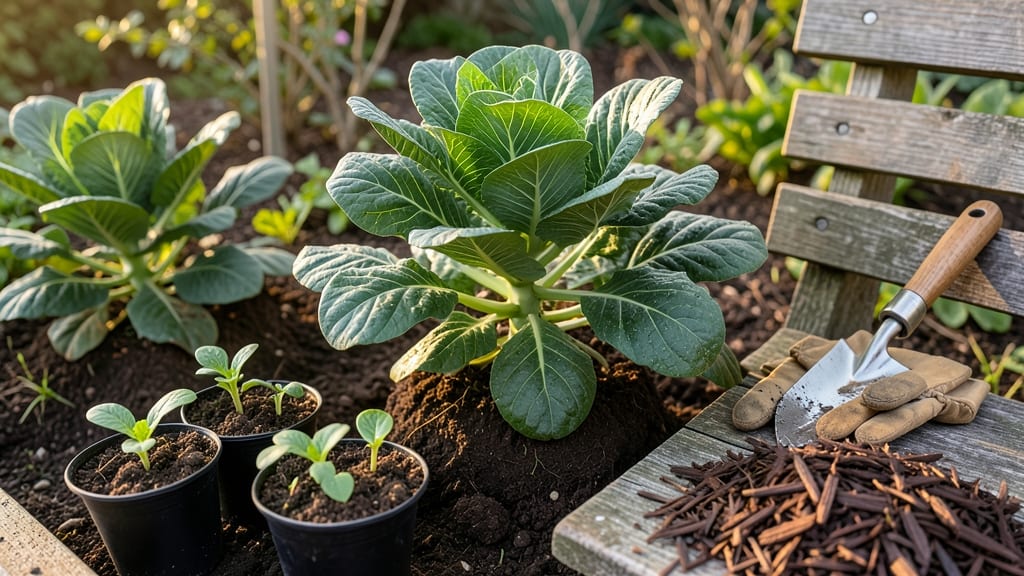
If you're dreaming of a bumper crop of sweet, tender collard greens 🥬 in Georgia, the perfect time to plant collard greens in GA is the secret ingredient—and getting it wrong could mean wilted leaves or missed harvests.
Georgia’s 7b-8b climate gives you two prime windows to plant, but those dates aren’t one-size-fits-all. Whether you’re a first-time gardener or a seasoned green thumb, knowing exactly when to sow your seeds can mean the difference between a flavorful fall harvest and a disappointing spring flop.
Most gardeners in Georgia swear by fall planting for their best collard greens, but spring can work too—if you play by the rules. The key is avoiding frost damage while giving your plants enough time to mature before the heat of summer sets in.
I’ll walk you through the exact frost-free windows for both seasons, so you can plant with confidence and enjoy fresh greens from October through May.
Let’s cut to the chase: the best time to plant collard greens in Georgia is mid-February to late March for spring and late July to early September for fall. But here’s the catch—your local microclimate might shift those dates by a week or two.
I’ll break down how to adjust for your specific corner of the state, plus pro tips to protect your plants from Georgia’s unpredictable freezes and scorching summers.
Ready to grow collards that taste like they came straight from a Southern grandmother’s garden? Stick with me, and I’ll show you how to time your planting like a pro—so you’re harvesting bold, healthy leaves all season long.
Georgia’s best planting windows for collard greens by month (frost-free guide)
Georgia’s USDA zones 7b-8b create perfect conditions for growing collard greens—but timing your planting is critical. The last frost date (around March 15) and first frost date (around November 15) bookend your best windows for planting these cold-hardy greens.
In my experience, planting too early risks frost damage, while waiting too late can lead to bitter leaves.
For the sweetest, most tender collards, focus on two main planting windows: early spring (February to March) and late summer (July to August). These windows align with Georgia’s natural temperature shifts, ensuring your plants thrive without stress.
Spring plantings give you a May-June harvest, while fall plantings reward you with October-November greens before winter sets in.
Here’s the breakdown you need to plan your collard green schedule with confidence:
Georgia Collard Green Planting Timeline
| Month | Best Planting Time | Frost Risk | Ideal Harvest Window | Notes |
|---|---|---|---|---|
| February | Start seeds indoors | Low (light freezes possible) | May-June | Transplant outdoors after last frost |
| March | Direct sow outdoors | Moderate (early frost risk) | June-July | Best for early spring harvest |
| April | Direct sow (late April) | None | July-August | Heat may cause bolting |
| July | Best for fall harvest | None | October-November | Avoid planting too late |
| August | Direct sow (early August) | Low (late frost risk) | November-December | Use row covers for protection |
| September | Late sowing possible | High (frost risk) | December (limited) | Use cold frames for extension |
If you’re planting in spring (February-March), aim to have seedlings ready by mid-March to avoid early frost. I’ve found that starting seeds indoors in late February gives them a head start, and transplanting after the last frost (around March 15) ensures robust growth.
For fall plantings (July-August), focus on getting seeds in the ground by early August—this gives your collards enough time to mature before winter arrives.
Georgia’s humid subtropical climate means summer heat can stress collard greens, so avoid planting in June or late August unless you’re using shade cloth. In my garden, I’ve seen collards bolt (go to seed) quickly when temperatures exceed 85°F.
For a second fall crop, consider heat-tolerant varieties like 'Vates' or 'Champion' if you must plant in late summer.
Don’t forget that soil temperature matters too! Collard seeds germinate best in soil that’s at least 45°F. In Georgia, this usually means waiting until mid-March for spring or early August for fall.
You can speed up germination by using a seedling heat mat if planting early, but I’ve had great success just waiting for the right soil temps naturally.
For those in northern Georgia (Zone 7b), frost risk is higher, so err on the side of earlier plantings.
In southern Georgia (Zone 8b), you can push your fall window later into September, but be prepared to protect young plants with frost cloth if temperatures dip below 30°F.
I’ve used row covers in my Zone 7b garden to extend the season by 2-3 weeks—it’s worth the extra effort for that late harvest!
Pro tip: Mark your planting dates on a garden calendar and track your first and last frost dates for at least 3 years to refine
Georgia’s best planting windows for collard greens by month (frost-free guide)
Timing your collard greens planting in Georgia’s USDA zones 7b-8b means balancing heat tolerance and frost risk. The Peach State’s mild winters allow two ideal windows: spring and fall.
Spring plantings thrive before March 15 (last frost), while fall crops need to establish roots before November 15 (first frost).
Georgia’s humid subtropical climate creates microclimates—coastal areas (like Savannah) stay warmer longer, while inland regions (like Athens) experience earlier frosts. Always check your local frost dates and adjust planting by 4-6 weeks before the first expected frost for fall crops.
| Month | Planting Window | Frost Risk | Harvest Time |
|---|---|---|---|
| February | Best for spring | Low (plant after Feb 15) | May-June |
| March | Last month for spring | Moderate (watch for late frosts) | June-July |
| July | Start fall planting | None (summer heat) | October-November |
| August | Ideal for fall | None (early stage) | November-December |
| September | Last chance for fall | Low (early frost risk) | December-January |
For spring plantings, start seeds indoors 6-8 weeks before your last frost date (typically mid-February for most of Georgia). Transplant seedlings outdoors when soil reaches 60°F—usually late February to early March. In coastal Georgia, you can plant as late as April with minimal frost risk.
Avoid planting collards in summer (June-August) unless you provide afternoon shade and consistent watering. The 90°F+ heat causes bolting (flowering), ruining leaf production. If you must grow summer collards, choose heat-tolerant varieties like 'Vates' and use drip irrigation to keep soil moist.
Fall plantings in Georgia offer the sweetest flavors—cool nights convert starches to sugars in the leaves. For a winter harvest, sow seeds 8-10 weeks before your first frost (usually late July to early August).
Use row covers or mulch to protect young plants from light freezes (28-32°F), which can damage tender leaves.
Pro tip: Succession plant every 2 weeks in spring and fall to ensure a continuous harvest. In Georgia’s climate, this means February, March, July, and August are your power months for planting. With the right timing, you’ll enjoy collard greens from May through December!