
Plants
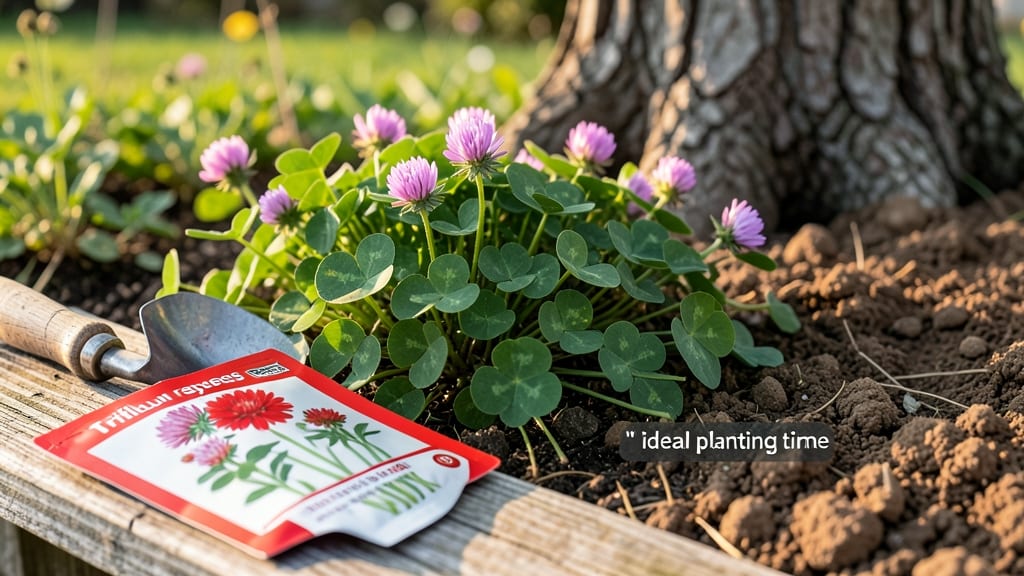
Timing your clover planting in Washington State could mean the difference between a thriving green cover and a failed experiment. The state’s dramatic shifts—from the Puget Sound’s mild coastal breezes to the Columbia Basin’s bone-dry summers—demand precision, not guesswork.
Most gardeners in USDA zones 6b-9a swear by early spring (March-April) or early fall (September-October) plantings, but those deadlines shift 10-14 days depending on whether you’re near the Cascades or baking in the Yakima Valley.
Get it wrong, and frost or drought will turn your clover into a sad, yellowing memory.
Here’s the game-changer: soil temperature matters more than calendar dates. Aim for 50°F (10°C)—that’s your green light to sow seeds. I’ll break down the exact windows for Western vs. Eastern WA, plus how to tweak timing for drought-prone areas or rainy seasons.
Whether you’re fixing bare spots, boosting soil health, or creating a pollinator-friendly lawn, nailing the timing ensures your clover takes root fast and stays resilient. Let’s make sure your next planting season is your best one yet.
Washington state clover planting deadlines by microclimate zone
Washington’s microclimates create wildly different planting windows for clover. In the Puget Sound region, mild winters mean you can plant as early as mid-February, while the Columbia Basin waits until late March to avoid frost.
Understanding your zone’s last frost date is critical—plant too soon, and frost will kill tender seedlings.
For Western Washington (coastal and Cascade foothills), aim for early spring (March-April) or early fall (September-October). Eastern WA’s drier climates benefit from fall planting to establish roots before summer drought. Always check soil temperatures—clover thrives when soil reaches 50°F (10°C).
Here’s a quick reference for Washington’s key regions:
| Region | Ideal Planting Window | Soil Temp Threshold | Last Frost Date |
|---|---|---|---|
| Puget Sound (Seattle, Bellingham) | Mid-Feb to early April | 50°F (10°C) | March 15 |
| Cascade Foothills (Everett, Wenatchee) | Late March to early May | 50°F (10°C) | April 1 |
| Columbia Basin (Tri-Cities, Yakima) | Late March to early April | 55°F (13°C) | April 15 |
| Palouse (Pullman, Spokane) | Early April to mid-May | 55°F (13°C) | April 30 |
In Western WA, fall planting (September-October) works well because cooler temps reduce weed competition. For Eastern WA, focus on spring planting—fall plantings risk winterkill due to dry soils. Always test your soil pH (6.0-7.0) before planting, as clover struggles in acidic soils.
Pro tip: Use a seed starter kit indoors if your region’s frost dates are unpredictable. Start seeds 4-6 weeks before your last frost date for a head start. This is especially useful in high-elevation areas like the Cascade Mountains, where frost lingers longer.
For Dutch white clover, a popular lawn variety, aim for March-April in most zones. Red clover, often used for hay, thrives with late spring (May) plantings in Eastern WA. Always adjust for rainfall patterns—too much moisture in fall can delay germination.
Monitor local weather forecasts for 10-day outlooks before planting. A sudden cold snap can reverse progress, especially in transition zones like the San Juan Islands. Use row covers if planting early to protect seedlings from unexpected frost.
Remember: Clover fixes nitrogen in soil, but it needs the right timing to establish. Plant too late, and weeds will outcompete it. Too early, and frost will kill your investment. Balance is key—especially in Washington’s variable climate.
Once planted, mulch lightly with straw to retain moisture and suppress weeds. This is crucial in drought-prone Eastern WA, where summer heat can dry out young plants quickly. Adjust your watering schedule based on rainfall—Western WA may need less supplemental water, while Eastern WA requires consistent moisture.
🌱
Washington state clover planting deadlines by microclimate zone
Washington’s diverse climates demand precise timing for clover success. Western WA’s coastal regions (like Seattle) have milder winters, while Eastern WA’s Columbia Basin faces harsh freezes. Plant too early, and frost kills tender sprouts; too late, and summer heat stresses young plants.
For optimal germination, aim for soil temperatures of 50°F (10°C) or warmer. In Western WA, this typically aligns with late March to mid-April for spring plantings. Eastern WA’s drier zones often wait until mid-April to early May due to slower soil warming.
🌱
| Region | Last Frost Date | Ideal Planting Window | Soil Temp Threshold |
|---|---|---|---|
| Western WA (Coastal) | March 15 - April 1 | Late March - Mid-April | 50°F (10°C) |
| Puget Sound | March 20 - April 5 | Late March - Early April | 50°F (10°C) |
| Eastern WA (Columbia Basin) | April 15 - May 1 | Mid-April - Early May | 55°F (13°C) |
| Cascade Foothills | April 1 - April 15 | Early April - Mid-April | 52°F (11°C) |
| Yakima Valley | April 20 - May 5 | Late April - Early May | 55°F (13°C) |
Fall plantings offer a second chance, especially in Western WA’s wetter zones. Seed Dutch white clover in September for establishment before winter rains. In Eastern WA’s drier areas, wait until late August to early September to avoid summer drought stress.
Use a soil thermometer to confirm readiness. If temperatures dip below 45°F (7°C), delay planting until conditions stabilize. Alsike clover, a cold-hardy variety, tolerates slightly cooler soils but still benefits from warmth for germination.
🌿
For lawn applications, spread seed when daytime highs reach 60°F (15°C) to encourage quick establishment. In shady microclimates (common in Western WA’s forests), plant red clover—it thrives with 4-6 hours of sun—while Dutch white clover prefers full sun.