
Plants
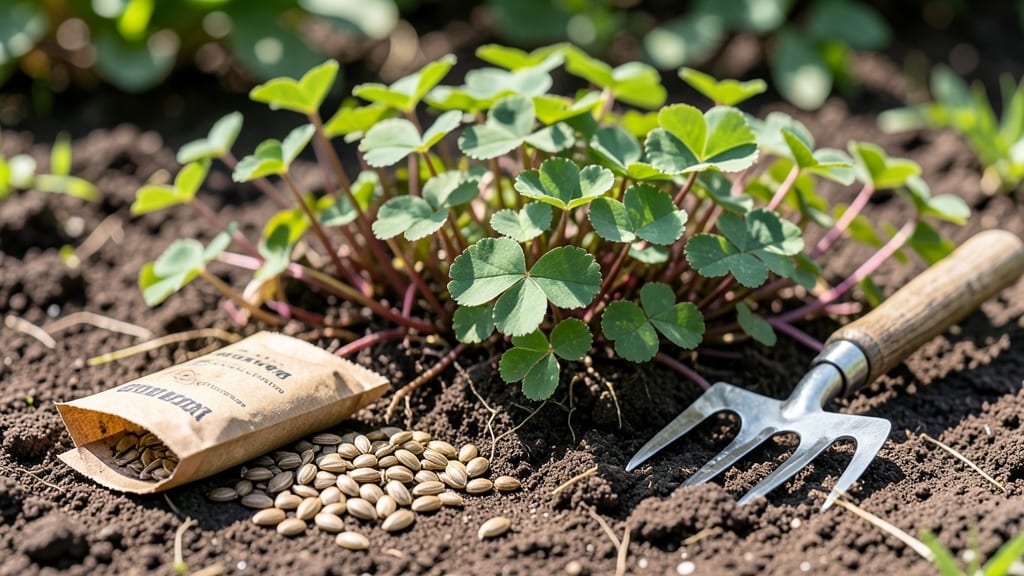
Timing your clover planting in spring could mean the difference between a lush, weed-free lawn and a patchy, overrun mess. The key is getting those seeds in the ground just as the soil warms up—but not so early that frost zaps your efforts or so late that weeds take over.
Most gardeners in USDA Zone 6 (like me!) find their sweet spot between early and mid-spring, when soil temperatures hit 50°F and the last frost has passed. This window—typically March or April—gives clover the head start it needs to outcompete weeds before summer heat sets in.
But here’s the catch: regional differences matter. In warmer southern zones, you might plant as early as February**, while colder northern areas should wait until late April. I’ll break down exactly how to read your local climate cues so you never waste seed again.
Ready to transform your lawn? Let’s dive into the perfect planting strategy—plus soil prep tips and companion plants that’ll make your clover thrive from day one.
Best spring planting windows for clover by US climate zone
Timing your clover planting in spring is all about beating weeds and frost—while giving seeds the ideal soil temperature to sprout. Most cold-hardy varieties like Dutch white, red, and microclover thrive when planted 2-4 weeks after your last frost date.
But the exact window depends on your USDA hardiness zone, which dictates frost risk and soil warmth.
In Zones 3-5 (northern states), aim for late April to early May when soil temps hit 50°F (10°C). Warmer Zones 6-8 can start as early as March, while Zones 9-10 may even plant in February—just avoid extreme heat that dries seeds out.
Here’s how to match your zone to the perfect planting window:
For microclover, a newer drought-resistant variety, extend your window 1-2 weeks later—it germinates slower but outcompetes weeds better once established. Always check your local frost dates (use the USDA Plant Hardiness Zone Map) and test soil with a thermometer before planting.
Pro tip: If your soil is too cold but weeds are sprouting, try a light cover of straw to warm the ground faster without smothering seeds. This trick works especially well in Zones 4-6 where spring soil lingers near freezing.
Once seeds hit 50°F (10°C), germination takes 7–14 days. In Zones 7-10, you’ll see sprouts in 5–7 days if moisture stays consistent. Thin seedlings to 3–4 inches apart once they’re 2 inches tall to prevent overcrowding.
Watch for white clover flowers by late spring—they’ll signal your clover is thriving and ready to suppress weeds naturally. In cooler zones, expect blooms by June; warmer zones may see them as early as May.
Timing isn’t just about frost—it’s about beating weeds. Plant too late, and crabgrass or dandelions will dominate. But get it right, and your clover lawn will crowd out weeds before they take root.
Best spring planting windows for clover by US climate zone
Clover thrives when planted at the right moment—too early and frost zaps your seeds, too late and weeds take over. The ideal spring window depends on your USDA climate zone, with soil temperatures between 50-65°F (10-18°C) being critical for germination.
In warmer zones (8-10), you can start as early as February, while cooler zones (3-6) should wait until late April after the last frost.
Microclover, Dutch white, and red clover all have slightly different cold tolerance levels. Microclover is the hardiest, germinating at 45°F (7°C), while Dutch white prefers 55°F (13°C) minimum. Red clover, often used for cover crops, can handle 40°F (4°C) but grows faster in warmer soils.
Knowing your zone ensures your seeds don’t sit dormant or rot in cold, wet soil.
Here’s how to match your climate zone with the perfect planting window for each clover type:
| Zone | Best Planting Window | Soil Temp for Germination | Clover Type | Frost Risk |
|---|---|---|---|---|
| 3-5 | Late April–Early May | 50–60°F (10–15°C) | Microclover, Red | High (last frost May) |
| 6-7 | March–Mid-April | 45–55°F (7–13°C) | All types | Moderate (last frost April) |
| 8-10 | February–March | 55–65°F (13–18°C) | Dutch White, Microclover | Low (last frost Jan–Feb) |
For northern climates (zones 3-5), aim for planting 2-3 weeks after your average last frost date. Use a soil thermometer to confirm temperatures—clover seeds won’t sprout below 50°F (10°C).
In southern zones (8-10), you can plant as early as February, but avoid summer heat, which stresses young seedlings. A light mulch layer helps retain moisture during dry spells.
Pro tip: If your spring is unpredictable, opt for microclover, which germinates faster in cooler soils. For lawn mixes, combine clover with fescue or ryegrass to fill gaps until clover establishes. This companion planting strategy reduces weed competition while your clover gets its footing.
Watch for weed sprouts—if dandelions or crabgrass are already popping up, it’s time to plant. Clover grows slowly at first, so beating weeds to the punch is key. Once established, clover outcompetes weeds naturally, thanks to its dense growth habit and nitrogen-fixing roots.
Timing isn’t just about frost—it’s also about moisture. Plant when you’ve had consistent rainfall or can commit to weekly watering. Dry soil crusts over and smothers seeds, while soggy soil rots them.
Aim for 1 inch of water per week after planting to keep seeds hydrated but not waterlogged.