
Plants
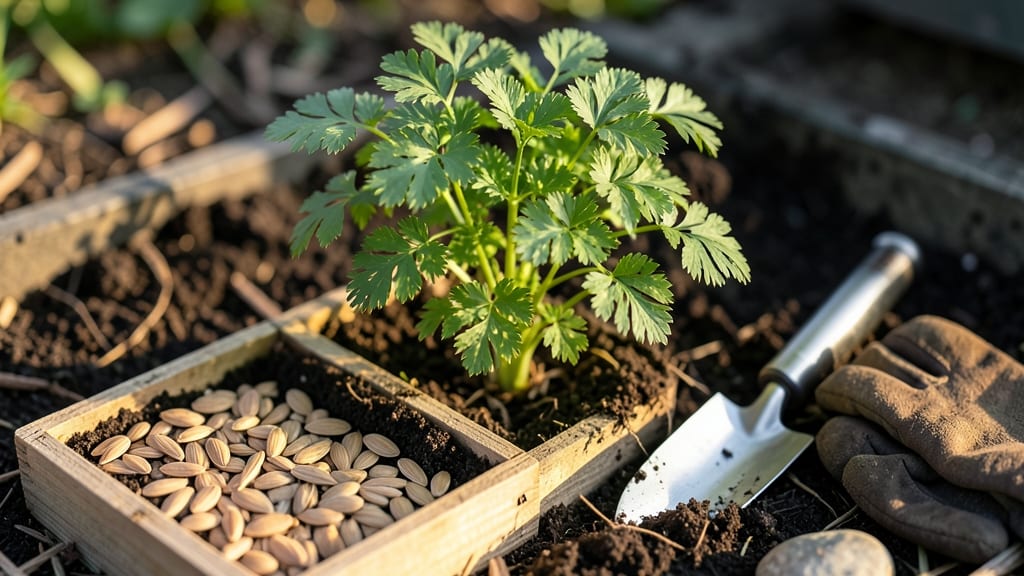
Timing your cilantro planting in Ohio can mean the difference between a thriving 🌿 cilantro harvest and a bitter disappointment when your plants bolt too soon. The perfect window isn't just about months—it's about avoiding Ohio's unpredictable heat spikes and frost risks that turn your garden dreams into wilted leaves.
For Zone 6a gardeners like you, planting cilantro too early in spring risks frost damage, while waiting too long means summer heat will trigger bolting. The secret? Start seeds indoors 2-3 weeks before your last frost date (typically mid-April) or sow directly in early March for a head start.
But here's the catch: if you miss spring, don't despair—fall offers another chance with a second planting window in July.
I've learned from years of trial-and-error that succession planting is your best friend. By staggering plantings every 2-3 weeks, you can enjoy fresh cilantro from May through October without gaps. This method works especially well in Ohio's climate, where summer heat would otherwise ruin your harvest.
Ready to master the art? I'll walk you through the exact dates, soil prep, and care tips that keep your cilantro lush and flavorful—no bolting, no stress. Let's get those seeds in the ground at the ideal moments for Ohio's growing seasons.
Ohio’s ideal cilantro planting windows: spring vs. fall timing breakdown
Ohio gardeners know timing is everything when growing cilantro—this finicky herb bolts faster than a rabbit in a garden shop if planted too early or too late.
The key is understanding your USDA zone (most of Ohio falls in 5-8) and aligning plantings with soil temperature thresholds of 40-75°F. Let’s break down the perfect planting windows to keep your cilantro lush and harvest-ready.
In northern Ohio (zones 5-6), your last frost date typically lands in mid-April, while southern Ohio (zones 7-8) can push planting back until late April.
For fall, count 8-10 weeks before your first frost (usually mid-October), meaning late summer plantings in July-August work best. These windows prevent bolting while maximizing your harvest.
Here’s the science: Cilantro thrives in cool weather and bolts when soil temps hit 75°F+. Ohio’s summer heat makes midday planting risky—opt for early morning sowing in partial shade during peak summer months.
For spring, aim for 2-3 weeks before last frost to give seedlings time to establish before warmth arrives.
🌱
| Planting Window | USDA Zones 5-6 (North Ohio) | USDA Zones 7-8 (South Ohio) | Key Considerations |
|---|---|---|---|
| Spring Planting | March 15 - April 15 | March 20 - April 20 | Soil temp 40-50°F; avoid frost |
| Fall Planting | July 15 - August 15 | July 20 - August 20 | Soil temp 60-70°F; 8-10 weeks before frost |
| Summer Planting (Risky) | June 1 - June 15 (with shade) | June 10 - June 20 (with shade) | Use 30% shade cloth; water daily |
| Soil Temp Threshold | 40-75°F | 40-75°F | Above 75°F = bolting risk |
Pro tip: Use a soil thermometer to monitor temps—cilantro roots prefer 50-60°F for optimal growth. In northern Ohio, early March plantings can work if you use row covers to protect seedlings from late frosts.
For southern Ohio, extend fall harvests by sowing cold-hardy varieties like ‘Calypso’ or ‘Santo’ in early September.
Bolting isn’t just about heat—overcrowding and poor drainage also trigger it. Space seeds 12-18 inches apart and amend soil with compost to improve moisture retention. I’ve seen cilantro bolt in two weeks when planted too densely, so don’t skimp on spacing!
For container gardening, start seeds indoors 4-6 weeks before last frost and transplant seedlings when soil reaches 50°F. Containers dry out faster, so use self-watering pots and check moisture daily. I’ve grown cilantro successfully in 5-gallon buckets on my balcony—just rotate them weekly for even sunlight.
Ohio’s microclimates matter too. If you’re in a urban heat island (like Columbus), plant cilantro in morning sun only and mulch heavily to keep roots cool. In rural areas with cooler nights, you can push spring plantings into early May without bolting issues.
🌿
Remember: Succession planting is your secret weapon. Sow new batches every 2-3 weeks in spring and fall to ensure a continuous harvest. I’ve had cilantro on my dinner table from May through October using this method—no bolting, no gaps!
Finally, avoid planting cilantro near dill or fennel—these herbs are in the same family and can cross-pollinate, reducing flavor. Instead, pair it with bush beans, lettuce, or carrots for a companion planting boost.
With these timing tricks, you’ll never run out of fresh cilantro for your favorite salsas and tacos!
Ohio’s ideal cilantro planting windows: spring vs. fall timing breakdown
Ohio’s cool-season climate makes cilantro a perfect fit, but timing is critical to avoid bolting. In USDA zones 5-8, your best bets are early spring and late summer plantings.
Southern Ohio (zones 7-8) has a 2-3 week advantage over northern regions (zones 5-6) due to milder winters and later frosts.
For spring plantings, aim for March 15-April 15 in southern Ohio and April 1-May 1 in northern areas. The key is planting 2-3 weeks before your last frost date—typically mid-April in most of the state. Soil temperatures should stay below 75°F to prevent bolting.
Ohio Cilantro Planting Timeline
| Season | Planting Window | Soil Temp Threshold | Frost Risk |
|---|---|---|---|
| Spring | March 15 - April 15 (South) April 1 - May 1 (North) |
Below 75°F | Low (post-last frost) |
| Fall | July 15 - August 15 (North) August 1 - August 31 (South) |
Below 80°F | Moderate (pre-first frost) |
🌱 Pro Tip: Use a soil thermometer to verify temperatures before planting.
Fall plantings require 8-10 weeks before your first frost—typically mid-October in Ohio. Start seeds July 15-August 15 in northern Ohio and August 1-August 31 in southern regions. Soil temperatures should stay below 80°F to prevent bolting during summer heat.
Ohio’s microclimates play a huge role. Urban areas like Columbus and Cincinnati often have warmer microclimates than rural zones, allowing for slightly later spring plantings. Always check your local frost dates and adjust by 2-3 weeks for safety.
For container growing, you can extend your season by 2-4 weeks in both spring and fall. Containers warm up faster in spring and cool down quicker in fall, giving you more flexibility with timing. Just ensure your pots have drainage holes to prevent root rot.
Remember, cilantro is a cool-season herb—it thrives when temperatures are mild. If you plant too late in spring or too early in fall, you’ll risk bolting or poor growth. Stick to these windows, and you’ll enjoy fresh cilantro from May through October in Ohio.