
Plants
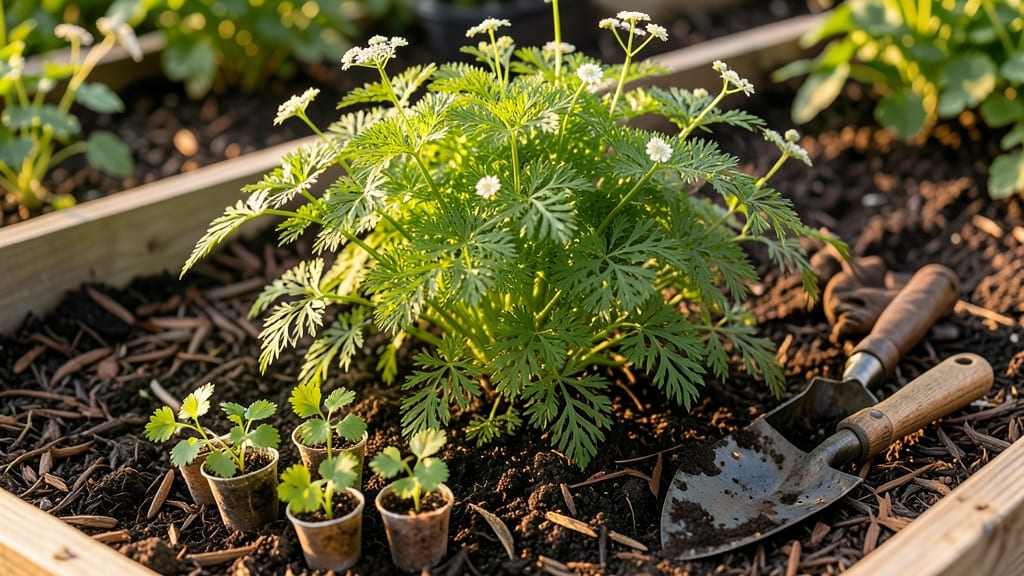
Timing your cilantro planting in Arizona isn't just about the calendar—it's about outsmarting the desert heat and unpredictable monsoons to keep your 🌿 thriving. If you've ever watched your cilantro bolt into flower within days of planting, you know how frustrating it can be.
The key lies in understanding Arizona's unique microclimates, from Phoenix's intense summer sun to the cooler high desert regions.
Most gardeners in USDA Zone 9b get their best cilantro harvests by planting between September and November or again in February and March. These windows give your cilantro the cooler temperatures it craves while avoiding the extreme heat that triggers bolting.
But here's the secret: even within these months, your location matters—what works in Tucson might fail in Flagstaff.
I'll show you exactly how to adjust your planting schedule based on your specific corner of Arizona, plus proven tricks to extend your harvest season.
Whether you're dealing with summer shade needs or winter frost concerns (yes, they exist in some areas), you'll learn how to keep your cilantro happy and productive year-round.
Ready to grow cilantro that actually lasts? Let's dive into the perfect planting strategy for your Arizona garden, so you can enjoy fresh, flavorful cilantro without the frustrating bolt.
Best months to plant cilantro in Arizona’s desert climate
Arizona’s USDA Zone 9b-11 climate demands precise timing for cilantro success. Unlike cool-weather crops, cilantro bolts quickly when temperatures exceed 80°F (27°C). The key is planting during cooler months when daytime highs stay below 75°F (24°C).
In Arizona, cilantro thrives in fall and early spring windows. These seasons offer the ideal temperature range of 60-75°F (15-24°C), preventing premature bolting. Let’s break down the best months for each region’s microclimate.
Phoenix and Tucson (low desert) gardeners should aim for September through November and February through March. These months provide mild temperatures and lower humidity, reducing stress on cilantro plants.
Meanwhile, Flagstaff and Prescott (high desert) can extend the window slightly due to cooler nights. Planting from August to October and March to April works well, as these areas experience 5-10°F cooler temperatures than Phoenix.
| Region | Best Planting Window | Temperature Range | Key Consideration |
|---|---|---|---|
| Phoenix/Tucson | September–November, February–March | 60–75°F (15–24°C) | Monsoon humidity may require shade |
| Flagstaff/Prescott | August–October, March–April | 55–70°F (13–21°C) | Cooler nights extend growing season |
| All Regions | Avoid May–July | Above 85°F (29°C) | Cilantro bolts within 2 weeks |
For continuous harvests, I recommend succession planting every 2-3 weeks during the optimal windows. This ensures a steady supply of fresh cilantro without gaps. Start with small batches to test your microclimate’s response.
If you’re in Zone 10-11 (e.g., Yuma or Tucson outskirts), consider shade cloth during summer months. A 30-50% shade cloth can lower soil temperatures by 10-15°F, creating a cooler microenvironment for cilantro.
Always plant cilantro in well-draining soil with partial shade (4-6 hours of sunlight). Avoid planting in full sun during peak summer, as this accelerates bolting. Instead, opt for morning sun and afternoon shade.
Pro tip: Use mulch to retain soil moisture and regulate temperature. Organic mulch like straw keeps roots cool and reduces evaporation, which is critical in Arizona’s low-humidity environment.
Finally, monitor your cilantro’s growth rate. If leaves start yellowing or the plant stretches tall, it’s a sign of heat stress. At this point, harvest immediately or provide immediate shade to salvage the crop.
How to extend cilantro’s growing season in hot Arizona summers
Arizona’s summer heat can turn cilantro into a fleeting guest unless you take strategic steps to protect it. Even with the best planting timing, cilantro bolts quickly when temperatures climb above 85°F.
The key to extending its growing season lies in shade, moisture control, and smart planting techniques. With these methods, you can enjoy fresh cilantro well beyond the traditional fall-to-winter window.
One of my favorite tricks is using shade cloth to mimic the cooler conditions cilantro craves. A 30-50% shade cloth reduces heat stress while still allowing enough light for growth. Install it over your cilantro beds by late May to create a cooler microclimate.
This simple step can add 4-6 weeks to your harvest season, giving you cilantro through late spring instead of just winter.
Here’s how I extend cilantro’s season in my own Arizona garden:
- 1
- 2
- 3
- 4
- 5
Another game-changer is succession planting. Instead of sowing all your cilantro seeds at once, stagger plantings every 2-3 weeks from September through March. This ensures you always have young, tender cilantro ready for harvest while older plants bolt.
For example, plant one batch in early September, another in mid-October, and a final one in early February. This method guarantees fresh cilantro for 6-8 months of the year.
Don’t overlook the power of container gardening for summer cilantro. Pots allow you to move plants to shadier spots or even indoors near a bright window when temperatures soar. Just ensure containers have drainage holes and use lightweight potting mix to prevent overheating.
My 10-inch pots work perfectly for cilantro, and I place them on elevated stands to improve airflow and reduce heat absorption.
Finally, avoid fertilizing during peak summer—cilantro needs low nutrients in heat to prevent stress. Instead, focus on organic matter like compost or worm castings in early fall to prep the soil for cooler months.
With these adjustments, you’ll turn Arizona’s harsh summers into an opportunity for year-round cilantro success—no bolt in sight! 🌿