
Plants
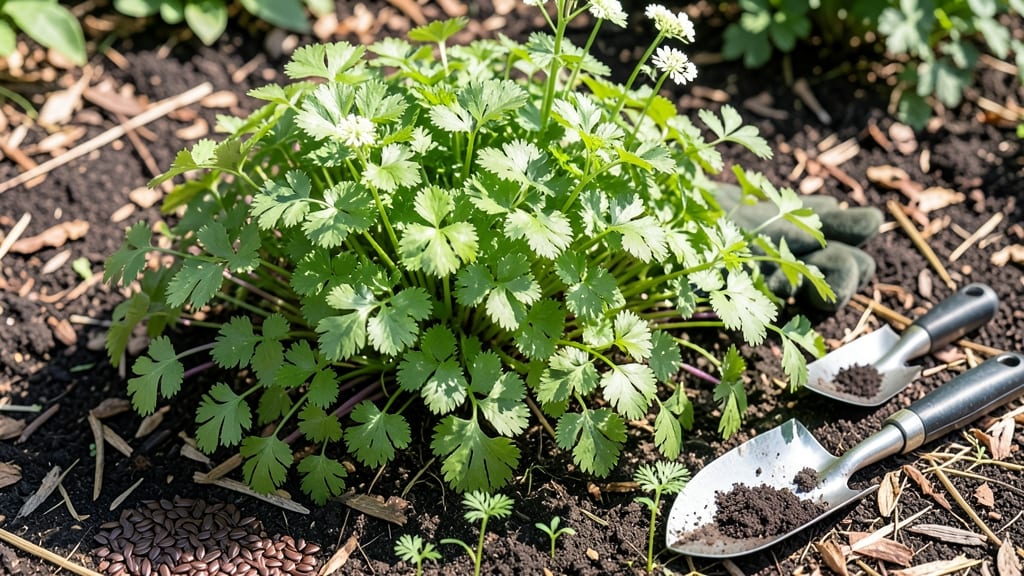
If you’ve ever planted cilantro in Missouri only to watch it turn bitter and bolt before you can even use it, you’re not alone. The key to growing fresh, flavorful 🌿 cilantro lies in timing—specifically, knowing when to plant it to avoid the dreaded heat-induced bolting that ruins harvests.
Missouri’s spring and fall seasons offer the perfect window for cilantro, but getting the timing right can mean the difference between a thriving herb garden and a sad, wilted disappointment. With the right strategy, you can enjoy harvests all season long—no bitter surprises included.
I’ll walk you through the exact months to plant cilantro in Missouri, how to extend its growing season, and the biggest mistakes that cause it to bolt prematurely. Whether you’re a seasoned gardener or just starting out, these tips will help you grow cilantro like a pro.
Ready to say goodbye to bolting and hello to fresh, homegrown cilantro? Let’s get started with the foolproof planting schedule that works for Missouri’s climate.
Missouri cilantro planting calendar: exact months to avoid bolting
Missouri’s USDA zones 5b-6a create a tricky balance for growing cilantro—too early, and frost zaps seedlings; too late, and summer heat triggers bolting. The key is planting during cool-season windows when temperatures stay below 75°F consistently.
For most of Missouri, this means two prime planting periods: early spring and late summer.
In northern Missouri (e.g., Kansas City), aim for March 15–April 15 for spring plantings, while southern Missouri (e.g., St. Louis) can start slightly earlier, around March 1–April 1.
Fall plantings should begin August 1–September 1 to harvest before the first frost (mid-October). Rural areas with cooler microclimates may extend these windows by 1–2 weeks.
Here’s the breakdown you need to avoid bitter, bolted cilantro:
| Planting Window | Climate Zone | Key Dates | Notes |
|---|---|---|---|
| Spring Planting | Northern MO (Zone 5b) | March 15–April 15 | Start seeds indoors 4–6 weeks before last frost (April 15). |
| Spring Planting | Southern MO (Zone 6a) | March 1–April 1 | Direct sow after soil reaches 50°F. |
| Fall Planting | All Zones | August 1–September 1 | Sow seeds 8–10 weeks before first frost (mid-October). |
| Succession Planting | Urban Gardens | Every 2–3 weeks | Extend harvests by sowing new seeds every 3 weeks in spring/fall. |
Missouri’s humidity and clay-heavy soils can delay germination, so always pre-soak seeds for 6–8 hours before planting. For container gardens, use fast-draining mixes to prevent root rot—a common issue in Missouri’s wet springs.
Pro tip: Plant cilantro near basil or dill to mask its scent from pests like spider mites, which thrive in Missouri’s heat. This also creates a shade microclimate that delays bolting by 1–2 weeks.
If you miss the spring window, don’t despair—fall cilantro often produces the most flavorful leaves. Just be ready to harvest by October 15 before temperatures dip below 40°F, which stunts growth.
For urban gardeners in cities like St. Louis or Kansas City, container planting with shade cloth (30–50% coverage) can push harvests into early June. Just remove the cloth by late May to avoid overheating.
Remember: Cilantro bolts when days exceed 14 hours of light (common by late May). Plan to harvest leaves aggressively or replant by June 1 for a second chance at flavorful greens.
How to extend cilantro’s growing season in Missouri’s heat
Missouri’s summer heat is cilantro’s worst enemy, but with the right strategies, you can delay bolting and enjoy fresh harvests well into fall. The key is combining shade solutions, succession planting, and smart companion planting to keep your cilantro happy when temperatures rise above 75°F (24°C).
I’ve grown cilantro in Missouri’s humidity for years, and these three proven techniques have saved my harvests time and again. Start with shade cloth to protect your plants from intense afternoon sun, then use companion plants like basil to naturally cool the soil and confuse pests.
For urban gardeners with limited space, container gardening offers flexibility—just choose pots with good drainage and move them to shadier spots when temperatures climb. Let’s break down the exact steps to keep your cilantro thriving all season.
- 🌿 Step 1: Install 30-50% shade cloth when temps hit 80°F (27°C). Secure it 2-3 feet above plants to allow airflow and prevent fungal growth.
- 🌱 Step 2: Plant basil or dill nearby—these companions shade the soil and repel pests that stress cilantro. Space them 12 inches apart for best results.
- 📅 Step 3: Practice succession planting every 2-3 weeks from late July through August. Sow seeds in partial shade for continuous harvests.
Don’t forget to harvest frequently—pinching back outer leaves encourages bushier growth and delays bolting. Aim to harvest 1/3 of the plant every week to keep it productive. This simple habit can add 3-4 extra weeks of usable cilantro in your Missouri garden.
For container growers, self-watering pots with 1-2 inches of mulch help maintain even moisture without overwatering. Missouri’s humidity already creates ideal conditions for cilantro, but consistent moisture prevents stress that triggers bolting.
If you’re in St. Louis or Kansas City, microclimates play a big role—north-facing gardens stay cooler longer. Use these techniques to push your cilantro’s season past the first frost (typically October 15 in Missouri), giving you fresh herbs for fall cooking.