
Plants
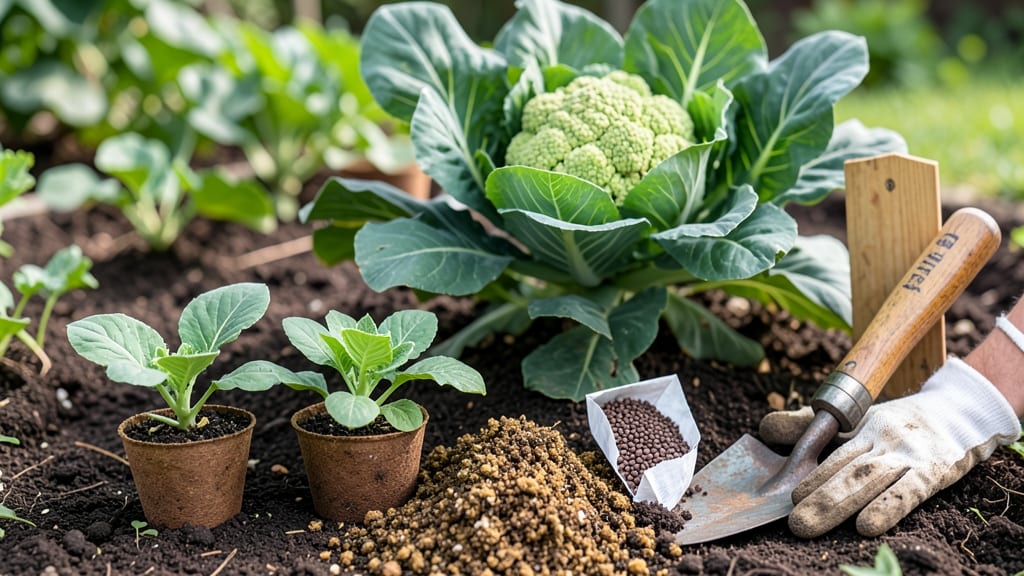
Best planting times for cauliflower in NC zones 7b-8a (heat tolerance guide)
North Carolina’s Zone 7b-8a climate offers two prime windows for growing cauliflower: early spring and late summer. Unlike cooler climates, NC’s heat means you’ll need to time plantings carefully to avoid bolting (premature flowering) or poor head formation. Let’s break down the exact months and strategies for success.
For spring harvests, plant cauliflower seeds indoors 6-8 weeks before your last frost date (typically late February to early March).
Transplant seedlings outdoors 4-6 weeks before frost, usually by mid-March in Zone 8a or early April in Zone 7b. This gives plants enough time to mature before summer heat sets in.
Fall planting is trickier but rewarding. Start seeds indoors 10-12 weeks before your first frost (around August 1st for most of NC). Transplant seedlings outdoors by mid-to-late August to ensure heads form before cold weather arrives in November.
This timing avoids the brutal summer heat while still allowing a harvest before frost.
Here’s a quick reference for NC’s frost-free growing season (Zone 7b-8a): - Last frost: Late February (Zone 8a) to early April (Zone 7b) - First frost: Late October (Zone 7b) to early December (Zone 8a) - Frost-free days: ~180 days
| Season | Planting Window | Transplant Outdoors | Harvest Time | Key Notes |
|---|---|---|---|---|
| Spring | Start seeds indoors: Late Jan–Feb | Transplant: Mid-Mar–Apr | May–June | Avoid summer heat; use shade cloth if temps exceed 85°F. |
| Fall | Start seeds indoors: Early–Mid Aug | Transplant: Late Aug–Sep | Oct–Nov | Prioritize heat-tolerant varieties; mulch to retain moisture. |
| Year-Round Tip | Test soil pH (6.5–7.0) and amend with compost before planting. Cauliflower thrives in cool, moist conditions but struggles in NC’s summer heat. | |||
If you’re in Zone 8a (warmer southern NC), you can push spring planting slightly later—even into early April—but monitor temperatures closely. In Zone 7b (cooler western NC), aim for late March to avoid early spring heatwaves that can stress seedlings.
For fall plantings, late August is ideal in Zone 8a, while Zone 7b gardeners should transplant by mid-August to ensure heads mature before frost. Use row covers or cold frames to extend the season if needed—just remove them during the day to prevent overheating.
Pro tip: Direct-sow seeds in late summer (September) for a winter harvest in Zone 7b, but this works best in cooler microclimates like the mountains. In humid lowland areas, fungal risks increase, so stick to transplanting seedlings instead.
Remember, cauliflower needs consistent moisture and cool temperatures (60–75°F) to form tight heads. If summer temps climb above 85°F, your plants may bolt or produce bitter, loose curds. We’ll cover heat mitigation strategies in the next section!
How to adjust cauliflower planting for NC’s hot summers (avoiding bolting)
North Carolina’s summer heat (often exceeding 90°F) can cause cauliflower to bolt prematurely, ruining your harvest. The key is strategic planting and care to keep plants cool and stress-free during peak heat. I’ve grown cauliflower in NC’s Zone 7b for years, and these adjustments make all the difference.
First, avoid direct summer sun when temperatures climb. Use 30-50% shade cloth to reduce heat stress while still allowing light for growth. I’ve seen cauliflower plants under shade cloth produce heads when unprotected plants bolted within weeks.
Just remove the cloth in early morning or late afternoon to prevent stunted growth.
Next, focus on soil moisture. Cauliflower roots need consistent dampness, but NC summers can dry soil quickly. I water deeply every morning (before 10 AM) to prevent wilting.
Mulch with 2-3 inches of straw to retain moisture and keep roots cool. This simple step cuts my watering needs by 40% while preventing bolting.
For late-summer plantings (July-August), choose heat-tolerant varieties like ‘Purple of Sicily’ or ‘Romanesco’. These handle 85-90°F better than standard white cauliflower. I’ve had success transplanting seedlings after July 15 when soil temps drop below 75°F—use a soil thermometer to check!
Finally, harvest promptly when heads form. In NC’s heat, cauliflower matures faster—sometimes in just 50-60 days instead of the usual 70. Watch for tightly wrapped leaves and harvest before heads loosen or turn yellow. This prevents bolting and ensures crisp, flavorful harvests.
With these adjustments, you can grow cauliflower successfully in NC’s summers—even in the hottest zones. The secret? Shade, moisture, and timing keep your plants happy until cooler weather arrives. 🌱