
Plants
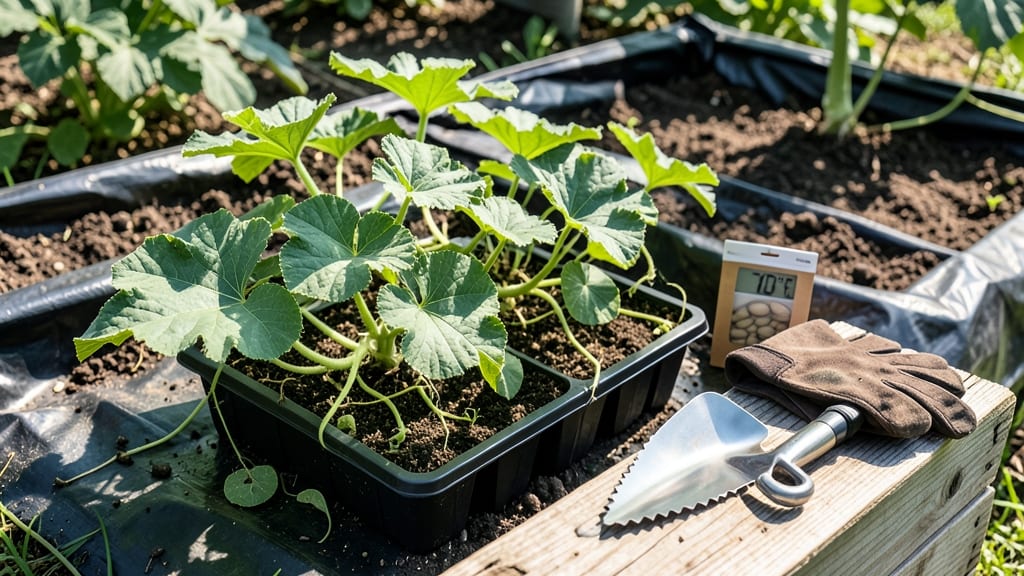
Planting cantaloupe in Missouri at the wrong time can mean the difference between a sweet summer harvest and a sad, frost-nipped failure. With USDA zones 5b-6b offering just 165 frost-free days, timing is everything—especially when cantaloupe 🍈 needs warm soil and long, sun-drenched days to thrive.
You’ve got questions: Should you start seeds indoors or plant directly in the garden? What happens if you rush it before the last frost? And how do you stretch that growing season when Missouri’s weather can be as unpredictable as a tornado warning?
The answers lie in understanding your zone’s exact frost dates and soil temperature triggers.
I’ll walk you through the perfect planting window for Missouri—from late April to mid-May—plus pro tips to protect your vines from pests and extend your harvest into August. No more guessing games, just a foolproof plan for juicy, vine-ripened cantaloupe that’ll make your neighbors jealous.
Ready to turn your backyard into a cantaloupe oasis? Let’s get those seeds in the ground at the right time—and watch your garden transform into a sweet, sun-soaked success.
Missouri’s frost-free planting zones for cantaloupe: exact dates by region
Missouri’s diverse climate—from the humid south to the cooler north—means cantaloupe planting dates vary dramatically. The Show-Me State spans USDA zones 5a to 7a, with last frost dates ranging from April 15 in southern Missouri to May 15 in northern regions.
For cantaloupe, which thrives in warm soil (70°F+), timing is critical to avoid frost damage or stunted growth.
Most Missouri gardeners should wait until after May 1 to plant cantaloupe seeds directly in the ground. However, northern Missouri gardeners (zones 5a-5b) may need to start seeds indoors in late March and transplant after the last frost.
Southern Missouri (zones 6a-7a) can plant seeds directly as early as mid-April in protected microclimates.
Urban areas like St. Louis (zone 6b) often experience earlier last frosts (April 20) due to the "urban heat island" effect, while rural areas in northwest Missouri (zone 5a) can see frost as late as May 10.
Always check your local Missouri State Climatologist or University of Missouri Extension for precise frost dates.
Missouri’s microclimates can shift planting windows by weeks. For example, St. Louis gardens near the Mississippi River often warm up 7-10 days earlier than inland areas.
If you’re in zone 5a or 5b, consider using black plastic mulch to warm soil faster and plant 2 weeks earlier than the table suggests.
Another key factor is soil preparation. Cantaloupe hates cold, wet soil, so amend your beds with compost or aged manure in early spring to improve drainage. In clay-heavy Missouri soils, mix in sand or perlite to prevent root rot—a common issue for late-planted cantaloupe.
For northern Missouri gardeners, starting seeds indoors under grow lights (4-6 weeks before last frost) gives you a 2-week head start. Use biodegradable pots to avoid transplant shock when moving seedlings outdoors.
Harden them off by placing them outside for 2-3 hours daily starting 10 days before transplanting.
Remember: Cantaloupe is a warm-season crop that won’t tolerate frost. Even a light frost can kill young plants, so always check the National Weather Service for late-spring frost warnings. If frost threatens after planting, cover seedlings with frost cloth or a
Step-by-step cantaloupe planting timeline: from seed to harvest in Missouri
Missouri gardeners can enjoy homegrown cantaloupe with a 12-week planting timeline that accounts for our variable spring frosts and hot summers. I’ve broken it down into manageable stages so you can avoid common pitfalls like cucumber beetles or bolting before harvest.
Let’s start with the indoor seed-starting phase—the secret to a head start!
Begin indoor seed-starting 4-6 weeks before your area’s last frost date. For most of Missouri, this means early March to mid-April. Use biodegradable pots filled with seed-starting mix to prevent transplant shock.
Place seeds ½ inch deep and keep them in a warm spot (70-85°F) until germination, which typically takes 5-10 days. A heat mat speeds this up in cooler homes.
🌱 Step-by-Step Planting Timeline
- Weeks 1-2: Start seeds indoors (March 1-April 15). Use heat mat for faster germination.
- Weeks 3-4: Harden off seedlings (April 15-May 1). Acclimate to outdoor temps for 1 week.
- Week 5: Transplant outdoors (May 1-15). Choose full-sun spots with well-draining soil.
- Weeks 6-8: Monitor for pests (May 15-June 15). Use row covers if needed.
- Weeks 9-12: Harvest (July-August). Watch for slip stems and creamy rinds.
Once seedlings have 2-3 true leaves, it’s time to harden them off. Gradually expose them to outdoor conditions over 7-10 days, starting with 1-2 hours of shade and increasing daily.
This reduces transplant shock and helps seedlings adapt to Missouri’s unpredictable spring weather. Avoid hardening off during heatwaves or rain, as these extremes can stress young plants.
Transplant seedlings outdoors 2-3 weeks after the last frost date, typically mid-May in most of Missouri. Choose a sunny, sheltered spot with well-draining soil—cantaloupes hate soggy roots. Space plants 3-4 feet apart in rows 5-6 feet apart to give vines room to sprawl.
If space is tight, use a trellis or cage to save room and improve air circulation, which reduces fungal diseases.
After transplanting, focus on consistent watering and pest control. Cantaloupes need 1-2 inches of water weekly, but avoid wetting leaves to prevent powdery mildew. Missouri’s cucumber beetles and squash vine borers are notorious pests—use row covers early on or apply neem oil as a preventative.
Watch for yellowing leaves or wilted vines, which signal infestations.
Harvest begins 75-90 days after transplanting, usually July-August in Missouri. Look for slip stems (where the stem separates easily from the vine), creamy yellow rinds, and a sweet aroma near the blossom end. Cut fruits with a sharp knife, leaving 1-2 inches of stem attached.
Store unripe cantaloupes at room temperature to ripen fully—never refrigerate until ripe! With this timeline, you’ll enjoy sweet, homegrown cantaloupe just in time for summer picnics.