
Plants
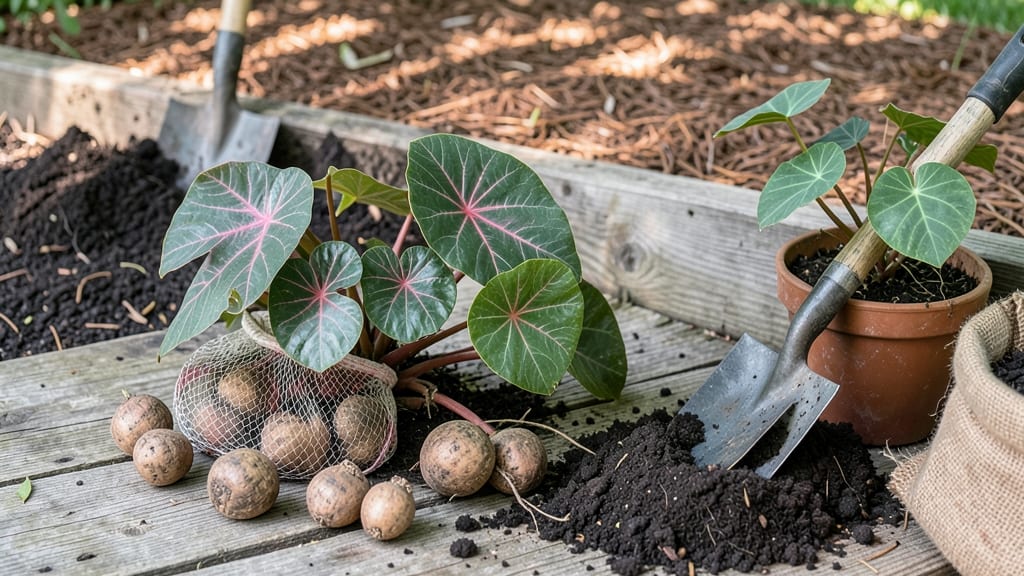
Timing your Caladium bulb planting in North Texas can mean the difference between vibrant summer foliage and wilted disappointment. These heat-loving plants thrive when soil temperatures hit 65°F—but planting too soon risks frost damage, while waiting too long cuts short their stunning display.
For gardeners in USDA Zone 8a, the ideal window opens in March after the last frost (typically around March 15), but there’s more to it than just dates.
North Texas’s unpredictable spring weather means soil warmth matters just as much as calendar months—so how do you know when it’s truly safe to plant?
I’ll walk you through the exact signs your soil is ready, whether containers or ground planting works best for your space, and how to extend your Caladium’s foliage season well into fall. No more guessing—just lush, long-lasting color that turns heads all summer long.
Let’s dive into the heat-resistant timeline that’ll keep your Caladiums thriving from March through November, even in North Texas’s toughest conditions. Ready to transform your garden with bold, tropical leaves? Let’s get started.
North Texas caladium planting timeline: month-by-month heat resistance guide
Caladiums thrive in North Texas heat, but timing their planting is critical. These tropical bulbs need soil temperatures above 60°F to sprout reliably, and planting too early risks frost damage to emerging shoots.
In USDA Zone 8a, the average last frost date is around March 15, but microclimates can vary by 1-2 weeks depending on elevation and urban heat islands.
For peak foliage production, aim to plant caladium bulbs between mid-March and early April. This window ensures your plants establish roots before summer’s intense heat arrives. Early planting (February) is risky unless you’re in a warmer microclimate like Dallas’s urban core, where soil warms faster.
Here’s how North Texas’s unique climate affects your planting schedule:
| Month | Soil Temp (°F) | Planting Window | Risk Level | Foliage Duration |
|---|---|---|---|---|
| February | 50-60°F | Early (Urban Areas Only) | High (Frost Risk) | Shortened (Stress from Heat) |
| March | 60-70°F | Ideal (After Last Frost) | Low (Safe Zone) | Full Season (June-October) |
| April | 70-80°F | Late (Still Effective) | Medium (Heat Stress) | Good (Slower Start) |
| May | 80°F+ | Too Late (Bulbs Struggle) | High (Poor Establishment) | Minimal (Weak Growth) |
If you plant in March, your caladiums will have 4-5 months of vibrant foliage before fall’s first frost. Late April plantings may still produce color but often with smaller, less vibrant leaves due to summer heat stress.
For container growing, you can push the envelope slightly later—May works if you use black plastic mulch to warm soil faster.
North Texas’s humidity and clay-heavy soils also play a role. After planting, mulch with 2-3 inches of organic mulch (like shredded bark) to retain moisture and regulate soil temperature. This is especially critical in Dallas-Fort Worth, where summer temperatures can exceed 100°F, causing soil to dry out quickly.
Pro tip: Use a soil thermometer to confirm your garden bed has reached 65°F+ before planting. In cooler microclimates (like the Hill Country), wait until mid-April to avoid frost damage. Container plantings can be started 2 weeks earlier since pots warm up faster in sunlight.
Remember, caladiums are tropical plants that love heat but hate cold. Even a single night below 32°F can kill them, so always monitor your local frost forecast and adjust your planting date accordingly.
With the right timing, you’ll enjoy bold, heart-shaped leaves from summer through early fall—making your garden the envy of the neighborhood!
🌱
5 Critical signs your North Texas soil is ready for caladium bulbs
Caladium bulbs thrive when planted in warm, moist, and well-draining soil, but North Texas’s heavy clay and unpredictable spring weather can throw off your timing. Before you plant, check these 5 key soil conditions to ensure your bulbs get the perfect start.
Skipping these steps often leads to stunted growth or bulb rot—neither of which you want for your show-stopping foliage.
First, test your soil’s temperature. Caladium bulbs need soil that’s consistently 65–70°F before planting. Use a soil thermometer to check—if it’s cooler, wait a few more days.
Cold soil shocks the bulbs and delays foliage emergence. I’ve seen gardeners rush planting in early March only to watch their bulbs refuse to sprout until May.
Next, assess moisture levels. Stick your finger 2 inches into the soil—it should feel damp but not soggy. North Texas’s spring rains can make soil too wet, while summer droughts dry it out too quickly.
Aim for consistent moisture without waterlogging, as caladiums hate soggy roots. A simple moisture meter or the "squeeze test" works perfectly.
✅ Ideal Soil Conditions for Caladiums
| Factor | Pros | Cons |
|---|---|---|
| Temperature | 65–70°F promotes root growth | Below 60°F delays sprouting |
| Moisture | Consistently damp encourages bulb expansion | Too wet causes rot; too dry stunts growth |
| Drainage | Well-draining soil prevents bulb rot | Clay soil traps excess water |
| pH Level | 6.0–7.0 optimizes nutrient uptake | Below 5.5 locks out essential minerals |
| Organic Matter | Rich compost boosts foliage vibrancy | Poor soil yields pale, weak leaves |
🌱 Pro Tip: Amend heavy Texas clay with 2–3 inches of compost or sand to improve drainage and structure.
Don’t overlook drainage, especially in North Texas’s clay-heavy soils. Caladiums despise waterlogged conditions, which can lead to bulb rot within weeks. To test drainage, dig a small hole, fill it with water, and time how long it takes to drain.
If water pools after 30 minutes, amend your soil with perlite or coarse sand to create air pockets. I’ve saved many a caladium garden by fixing drainage issues before planting.
Check your soil’s pH level—caladiums prefer a slightly acidic to neutral range (6.0–7.0). North Texas soils often lean alkaline, which can stunt growth. Grab a soil pH test kit (they’re cheap and easy to use) or send a sample to your local agricultural extension office.
If your soil is too alkaline, mix in peat moss or sulfur to adjust it gradually.
Finally, enrich your soil with organic matter. Caladiums love nutrient-rich soil to produce their signature vibrant foliage. Work in 3–4 inches of compost or well-rotted manure 2–3 weeks before planting.
This gives beneficial microbes time to break down and improve soil structure. Skip this step, and you’ll end up with lackluster leaves that fade fast in the Texas heat.
With these 5 soil checks complete, your caladium bulbs are ready for planting. Now you’re set to enjoy bold, long-lasting foliage all summer—without the guesswork. Happy planting! 🌿