
Plants
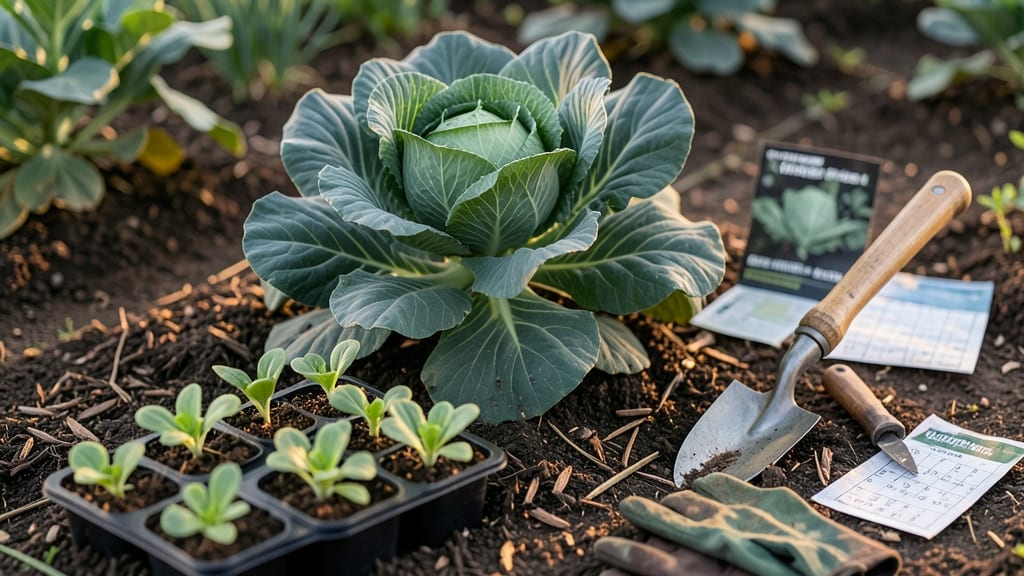
Timing your cabbage 🥬 planting in Colorado isn’t just about following a calendar—it’s about outsmarting the unpredictable mountain climate that can turn your garden into a high-stakes game of chance. Plant too early in Zone 5, and a late frost will wipe out your seedlings before they even sprout.
Wait too long, and your heads might bolt or split before you can harvest that crisp, homegrown goodness.
I’ve learned the hard way that Colorado’s short growing season demands precision. Whether you’re in Denver’s Zone 6 or the high-altitude reaches of Zone 5**, the right window for planting cabbage is narrow—but mastering it means the difference between a bumper crop and a disappointing patch of dirt.
Let’s break down the exact dates and strategies to ensure your cabbage thrives from seed to harvest.
The key is understanding your local frost dates and choosing the right varieties for your elevation. Spring plantings should start indoors by late February for hardened-off seedlings ready by mid-April, while fall crops need to hit the soil by mid-July to mature before the first frost.
But here’s the twist: Colorado’s microclimates mean your neighbor’s perfect timing might not work for you.
In this guide, I’ll walk you through the zone-specific planting calendar, how to extend your season with row covers, and the common mistakes that even experienced gardeners make.
By the end, you’ll know exactly when to plant cabbage in Colorado—and how to protect your investment from the elements. Let’s get growing!
Colorado cabbage planting calendar by hardiness Zone (5-8)
Colorado’s diverse elevations and microclimates create unique challenges for growing cabbage. Whether you're in Zone 5 (mountain regions like Boulder County) or Zone 7/8 (southern Colorado like Pueblo), timing is everything.
Plant too early, and frost will kill seedlings; too late, and heat will cause bolting. Let’s break down the optimal planting windows for each zone to maximize your harvest.
For head cabbage varieties (like Golden Acre or Early Jersey Wakefield), aim for 50-60 days to maturity. Leaf cabbage (such as Red Express) tolerates warmer temps better and can stretch your season.
Below, I’ve mapped out the best transplanting dates based on Colorado’s average last frost dates, adjusted for altitude.
🌱
| USDA Zone | Last Frost Date | Spring Planting Window | Fall Planting Window | Best Varieties |
|---|---|---|---|---|
| Zone 5 (Mountains: 6,000-8,000 ft) | May 1 - May 15 | April 15 - May 1 (transplant) | July 15 - August 1 | Early Jersey Wakefield, Red Express |
| Zone 6 (Front Range: 5,000-6,000 ft) | April 15 - April 30 | March 15 - April 15 (transplant) | July 1 - August 10 | Golden Acre, Savoy King |
| Zone 7/8 (Southern CO: 3,500-5,000 ft) | March 15 - March 30 | February 15 - March 15 (transplant) | June 15 - July 30 | Heat-tolerant: Tatsoi, Chinese Cabbage |
🌡️ Note: Adjust dates 1-2 weeks earlier for high-altitude gardens (e.g., Aspen) or later for low desert areas (e.g., Alamosa).
If you’re starting seeds indoors, begin 6-8 weeks before your zone’s last frost date. For Zone 5, that means sowing seeds by February 15 for spring transplants. Use grow lights to prevent leggy seedlings, and harden them off for 10-14 days before moving outdoors.
For fall harvests, focus on heat-tolerant varieties like Tatsoi or Chinese cabbage, which handle Colorado’s summer heat better than traditional heads. In Zone 6, plant by July 15 to ensure heads mature before the first frost (typically October 15).
Pro tip: Use a planting calendar or set reminders for your specific elevation. Colorado’s 1,000-foot rule applies here—every 1,000 feet in elevation changes the growing season by 3-5 days. For example, Denver (5,280 ft) is Zone 6, while Fort Collins (5,000 ft) is slightly warmer.
🌿
Don’t overlook succession planting to keep cabbage coming all season. In Zone 7/8, you can even squeeze in a third planting in early September for a late-fall harvest. Just be prepared to protect young plants with row covers if a late frost sneaks in.
Finally, monitor your local microclimate. Urban areas like Denver can be 5-10°F warmer than rural spots, while mountain valleys may hold frost longer. Use a weather station or check Colorado State University Extension resources for real-time updates.
✂️
How to extend Colorado’s short growing season for cabbage
Colorado’s short growing season and unpredictable frosts can make cabbage gardening challenging—but not impossible. With the right techniques, you can protect your plants and extend harvests well beyond the usual windows.
Whether you’re in Zone 5’s mountain regions or Zone 7’s southern plains, these strategies will help you grow cabbage successfully.
One of the best ways to beat early frosts is by using row covers or cold frames. These simple tools can add 4-6°F of protection, allowing you to plant 2-3 weeks earlier in spring or 2 weeks later in fall.
For example, if your last frost date is April 15, you can safely transplant seedlings as early as mid-March with a row cover in place.
For Zone 7 and 8 gardeners in southern Colorado, heat tolerance becomes a bigger concern than frost. Cabbage plants can bolt (go to seed) in temperatures above 80°F, so choose heat-tolerant varieties like ‘Golden Acre’ or ‘Red Express’.
These varieties can handle warmer summers better than traditional types, giving you a better chance of success in July and August plantings.
Another key strategy is succession planting. Instead of planting all your cabbage at once, space out plantings every 2 weeks from mid-March to mid-April for spring harvests, and from mid-July to mid-August for fall harvests.
This ensures a continuous supply of fresh cabbage and reduces the risk of losing your entire crop to pests or disease at once.
If you’re in Zone 5 or 6, consider using a cold frame or low tunnel to extend your growing season even further. These structures can raise soil temperatures by 10-15°F, allowing you to plant 4-6 weeks earlier in spring or 3-4 weeks later in fall. Just
Finally, don’t forget to harden off seedlings properly before transplanting. This means gradually exposing them to outdoor conditions over 7-10 days before planting. Start with 2-3 hours of sunlight and wind exposure per day, then increase the time until they’re ready for full outdoor conditions. This helps reduce transplant shock and gives your cabbage a stronger start in Colorado’s variable climate. 🌱