
Plants
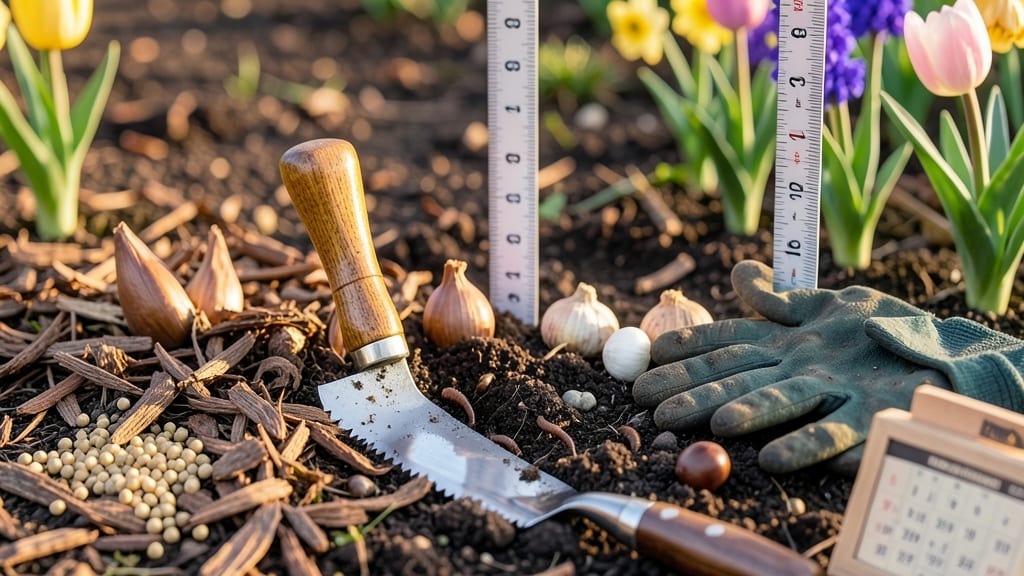
Timing your Spring Flowering Bulbs 🌷 planting in Boston isn't just about following a calendar—it's about outsmarting the city's tricky microclimates and unpredictable frost dates.
Get the schedule wrong, and you might miss the vibrant spring blooms you're dreaming of, or worse, lose your bulbs to hungry squirrels before they even sprout.
Here's the truth: Boston's USDA Zone 6b gives you two narrow windows to plant—either in late September through October for fall planting or early March to April for spring.
But with urban heat islands making some areas 5-10°F warmer than others, your neighbor's perfect timing might not work for your garden.
I've tested what works in Boston's clay-heavy soil, from tulips that bloom in April to crocuses that peek through snow. The key isn't just the calendar—it's knowing when your soil reaches that sweet spot of 60°F for fall planting or thawing just enough for spring.
Let me show you exactly when to plant which bulbs, how to prep Boston's stubborn soil, and the sneaky tricks to protect your investment from voles and frost—so you can enjoy those first 🌷 blooms without the guesswork.
Boston’s USDA Zone 6b bulb planting deadlines by type
Boston’s USDA Zone 6b climate means timing is critical for bulb success. Plant too early, and bulbs may rot; too late, and they won’t root before winter. The key is understanding soil temperature thresholds and frost dates—typically October 15 for first frost and April 15 for last frost.
Most bulbs need 6-8 weeks to establish roots before winter sets in, while spring-planted bulbs should go in 4-6 weeks before blooming.
Fall-planted bulbs like tulips and daffodils thrive when soil temps drop to 60°F or below. In Boston, this usually aligns with late September to mid-October.
Spring-planted varieties, such as crocus and grape hyacinths, can go in as early as March, but wait until soil is workable and frost risk is minimal. Always check moisture levels—bulbs need consistent dampness but hate soggy soil.
Here’s your quick-reference guide to Boston’s bulb-planting deadlines by type, including soil prep tips and microclimate adjustments:
| Bulb Type | Ideal Planting Window | Soil Temp Threshold | Boston-Specific Tip |
|---|---|---|---|
| Tulips | Late Sept–mid Oct | Below 60°F | Add bone meal for extra phosphorus |
| Daffodils | Mid Sept–early Nov | Below 55°F | Vole-proof with wire mesh |
| Hyacinths | Late Sept–Oct | Below 50°F | Plant in containers for squirrel control |
| Crocus | Sept–Oct or March | 40–60°F | Early blooms escape frost |
| Alliums | Late Sept–Oct | Below 55°F | Drought-tolerant once established |
For spring-planted bulbs, aim for March to early April—just as soil thaws but before squirrels wake up. This timing ensures bulbs root before Boston’s unpredictable late-spring frosts.
If you’re unsure about soil temps, use a soil thermometer or the "finger test": Stick your finger in the soil—if it’s cool but workable, it’s ready.
Boston’s clay-heavy soil drains poorly, so amend with compost or sand to improve aeration. Mix in 1–2 inches of organic matter per hole, and consider raising beds in low-lying areas where water pools. Mulch with straw after planting to insulate bulbs from temperature swings and voles.
Pro tip: Label your bulbs with planting dates—this helps track bloom times and rotating varieties for year-round color. For example, early crocus (March) pairs perfectly with late daffodils (May). Succession planting extends your Boston garden’s seasonal interest.
If you miss the fall window, don’t panic—spring planting works for hardy varieties like crocus and snowdrops. Just plant shallower (3–4 inches deep) and water consistently until roots establish. Container gardening is another great option for small spaces or pest-prone areas.
Remember: Boston’s microclimates vary wildly. A sunny Back Bay garden may stay warmer longer than a shadowy North End plot. Adjust your timeline by 1–2 weeks based on your specific location’s frost history. Check the National Weather Service Boston for localized updates.
With these deadlines nailed down, your spring blooms will be b
How Boston’s microclimates affect bulb planting success
Boston’s urban landscape creates microclimates that can shift bulb planting timelines by weeks. Urban heat islands near brick buildings may stay warmer longer in fall, while low-lying areas freeze earlier. These variations mean your neighbor’s perfectly timed tulip planting might not work for your garden.
Wind exposure is another critical factor. Coastal areas like East Boston experience salty winds that can stress bulbs, while inland spots like Mattapan have more stable conditions. Even a 5°F temperature difference can determine whether your hyacinths survive winter.
Here’s how to adjust your planting schedule based on Boston’s common microclimates:
Urban Heat Island Warning
If your garden is near pavement or buildings, plant bulbs 2-3 weeks earlier than the general timeline. Soil can stay 10°F warmer than surrounding areas, delaying frost.
For wind-prone areas, choose low-growing bulbs like crocuses or grape hyacinths. Their shorter stems (4-8 inches) resist toppling better than tall tulips. If you must plant taller varieties, create a windbreak with evergreen shrubs or a straw mulch barrier.
Low-lying spots? Plant 2 weeks earlier than the standard fall deadline. These areas freeze first, and bulbs need 6-8 weeks to establish roots before winter. Use a soil thermometer to confirm ground temps are below 50°F before covering with mulch.
Mulching is your best tool for microclimate adjustments. Apply 3-4 inches of straw or leaves after planting to insulate bulbs. In urban heat zones, this prevents overheating, while in cold pockets, it adds extra frost protection. Just
Pro tip: Test your microclimate by planting a small batch of bulbs in late September. If they sprout by December, your area stays warm—adjust future plantings 2 weeks earlier. If they stay dormant, you’re in a cold pocket and should plant 2 weeks later than the general guidelines.