
Plants
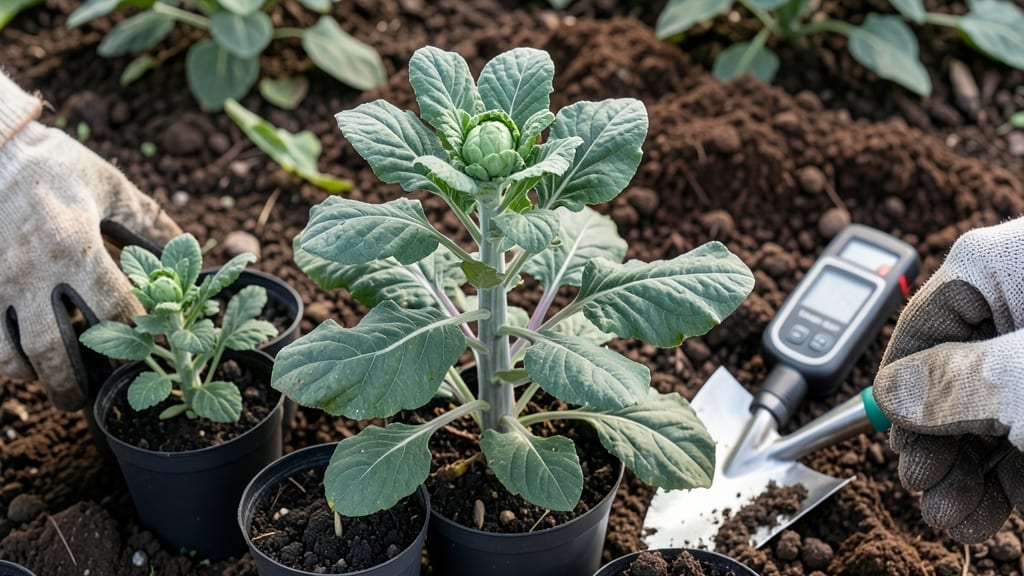
Timing your Brussel sprouts 🥦 planting in Illinois could mean the difference between a bumper crop and a sad, wilted disappointment. These cool-weather lovers demand precision—plant too early, and they bolt in summer heat; too late, and frost ruins your harvest before you even taste those sweet little buds.
For Illinois gardeners in USDA Zones 5-6, the ideal windows are narrow but critical: mid-April to early June for spring plantings, or late July to early August for fall harvests.
Missing these timelines risks stunted growth or bitter sprouts, but with the right soil temperatures and frost dates in mind, you can turn your garden into a Brussel sprouts powerhouse.
I’ll break down exactly when to get those seeds in the ground—whether you’re starting from seed or transplanting seedlings—and how to adjust for your specific corner of Illinois. No more guessing games, just frost-free harvests from October to December.
Ready to grow the crispest, most flavorful Brussel sprouts your neighbors will envy? Let’s dive into the science (and secrets) of planting them just right for your zone.
Optimal planting windows for Illinois Brussel sprouts success
Timing is everything when growing Brussel sprouts in Illinois. These cool-weather crops need precise planting windows to avoid bitter flavors or failed harvests. For USDA Zones 5-6, your best bets are early spring (mid-April to early June) or late summer (late July to early August).
These windows give sprouts enough time to mature before first frost typically hits around October 20.
In northern Illinois (like Chicago), aim for mid-April plantings—soil should reach 50-60°F for germination. Southern Illinois gardeners can push to early May safely. For fall harvests, late July plantings give sprouts 90-120 days to mature before winter sets in.
Soil temperature is critical: Brussel sprouts won’t germinate well below 50°F. Use a soil thermometer to check before planting. In Zone 5, wait until after the last frost date (around April 15), while Zone 6 areas can start slightly earlier if nighttime temps stay above 40°F.
Direct sowing is ideal for spring plantings, but transplants work better for fall. Start seedlings indoors 6-8 weeks before your target outdoor date. Harden them off gradually to avoid transplant shock—a common mistake that stunts growth.
Here’s how your planting windows break down by region:
🌱 Illinois Planting Windows for Brussel Sprouts
| Planting Window | Method | Soil Temp | Days to Harvest | Frost Risk |
|---|---|---|---|---|
| Mid-April to early June | Direct sow or transplant | 50-60°F | 90-120 days | Low (post-last frost) |
| Late July to early August | Transplant only | 55-65°F | 90-100 days | High (fall frost) |
| September (emergency) | Transplant with row cover | 60°F+ | 70-80 days | Very High |
💡 Pro Tip: Use row covers to extend fall harvests by 2-3 weeks.
For spring plantings, choose early-maturing varieties like 'Long Island Improved' (90 days) if your season is short. Late summer plantings benefit from heat-tolerant varieties such as 'Ruby Ball', which handles 80°F+ temps better than standard types.
Watch for soil moisture during germination—keep it consistently damp but not soggy. A mulch layer helps retain moisture and regulate soil temperature. In dry years, like 2023, supplemental watering every 3-4 days is key to preventing bolting or stunted growth.
Northern Illinois gardeners should prioritize spring plantings due to earlier frosts, while southern Illinois can attempt two harvests per year with careful timing. Always check your local frost-free date—even a light frost can turn sweet sprouts bitter.
If you miss the late July window, don’t despair! Succession planting every 2 weeks in August can still yield a small harvest. Just be prepared to protect plants with frost blankets as temperatures drop.
Remember: Brussel sprouts need full sun (6+ hours) and well-draining soil with a pH of 6.0-7.0. Test your soil before planting—amending with compost or lime can make all the difference in flavor and yield.
Optimal planting windows for Illinois Brussel sprouts success
Timing is everything when growing Brussel sprouts in Illinois. The cool-season crop thrives in USDA Zones 5-6 when soil temperatures hover between 50-60°F. Planting too early risks heat stress, while late planting may leave you with frost-bitten sprouts before harvest.
My two ideal windows—spring and fall—align perfectly with Illinois' climate patterns.
For spring planting, aim for mid-April to early June when the last frost (April 15) has passed. This gives plants 90-100 days to mature before fall's first frost (October 20).
Southern Illinois gardeners can push planting slightly later, while Chicago-area growers should start earlier to account for earlier frosts.
Fall planting offers a second chance for harvests. Seedlings should go in the ground late July to early August—8-10 weeks before frost. This delayed window works because Brussel sprouts actually sweeten in cool weather, making fall harvests some of the best.
Just be prepared for shorter daylight hours slowing early growth.
📅 Illinois Brussel Sprouts Planting Comparison
| Planting Window | Soil Temp | Days to Harvest | Frost Risk | Best For |
|---|---|---|---|---|
| Mid-April to early June | 50-60°F | 90-100 days | Low (spring frost passed) | Direct sowing or transplants |
| Late July to early August | 55-65°F | 80-90 days | Moderate (fall frost) | Transplants only |
💡 Pro Tip: Use a soil thermometer to confirm temperatures before planting—Brussel sprouts won't germinate well above 65°F.
Regional differences matter in Illinois. Northern areas like Chicago (Zone 5) should prioritize early spring planting by April 15, while southern regions like Springfield (Zone 6) can extend planting until June 1.
Always check your local frost dates—the Midwest Regional Climate Center provides updated forecasts that can shift planting windows by 1-2 weeks.
Direct sowing is ideal for spring, but transplants work better in fall. Start seedlings indoors 6-8 weeks before your target outdoor date. Harden them off gradually to avoid transplant shock when moving to the garden.
I've found that late July transplants often outperform direct-sown fall crops because they establish roots faster in cooler soil.
Remember: Brussel sprouts need full sun (6+ hours) and well-draining soil with a pH of 6.0-7.0. Amend clay-heavy Illinois soil with compost to improve drainage—waterlogged roots lead to rot and poor sprouts. With the right timing, you'll enjoy sweet, tender sprouts from October through December.