
Plants
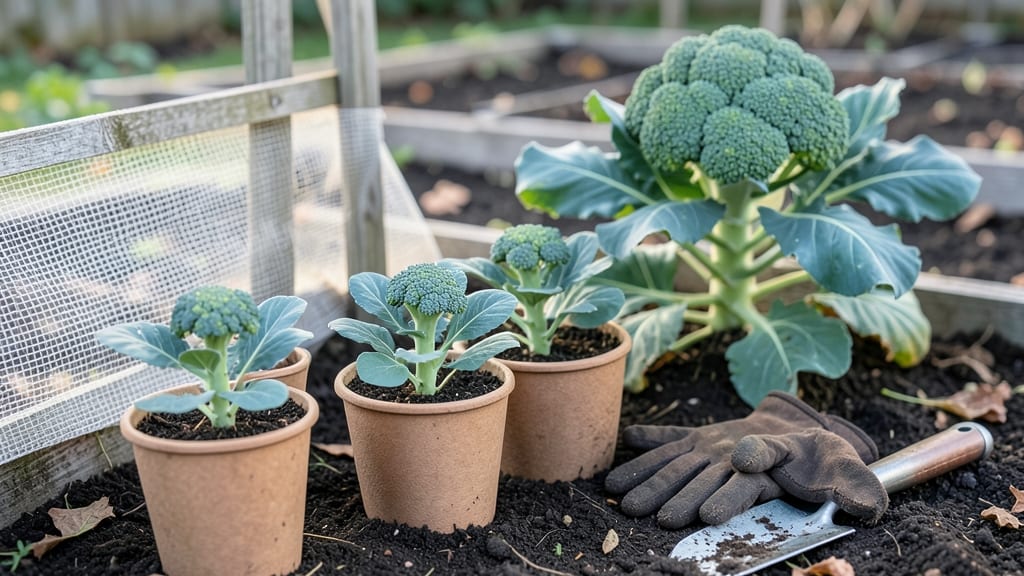
Timing your broccoli 🥦 planting in New Jersey isn’t just about luck—it’s the difference between a bountiful harvest and bitter disappointment. Plant too early, and you’ll battle bolting before the first head forms; too late, and frost steals your crop before it matures.
With NJ’s 6a zone and unpredictable spring weather, getting those seeds in the ground at the right moment is the key to success.
Most gardeners assume March is the only window, but that’s only half the story. The real secret lies in two distinct planting cycles: early spring (March–April) and late summer (August–early September).
By mastering these timelines, you can stretch your harvest from June through November—avoiding the dreaded 30-day frost-free window that catches so many off guard.
I’ve spent years testing these methods in my own New Jersey garden, and what I’m about to share isn’t just theory—it’s battle-tested advice.
We’ll break down the exact weeks to plant, how to adjust for your specific microclimate, and even which varieties hold up best against NJ’s late spring heat. No more guessing games—just a foolproof schedule to grow broccoli that’s flavorful, abundant, and frost-proof.
Ready to transform your garden from “meh” to “head-sized harvests”? Let’s dive into the precise planting calendar that’ll have your broccoli thriving—no matter what Mother Nature throws your way.
NJ broccoli planting deadlines by frost zone: avoid bolting with precision timing
New Jersey’s USDA Zones 6a-7b mean your broccoli planting window is tight—just 4-6 weeks before the last spring frost or 8-10 weeks before the first fall frost. Miss these deadlines, and you’ll either face bolting (premature flowering) or frost damage to tender heads.
For North Jersey (Zones 6a-6b), aim for March 15-April 15 in spring and August 15-September 1 for fall. South Jersey (Zones 7a-7b) can push spring planting to April 1-April 30 and fall to September 1-September 15.
Timing isn’t just about frost—it’s about soil temperatures. Broccoli seeds need 40°F soil to germinate, but seedlings stunt below 50°F. Use a soil thermometer to confirm readiness, especially in clay-heavy NJ soils that warm slower.
Pro tip: Start seeds indoors 4-6 weeks before transplanting to avoid delays caused by cool springs.
Here’s the critical difference between North and South Jersey planting windows—your last chance for a fall harvest depends on it.
| Zone & Location | Spring Planting Window | Fall Planting Window | Last Frost Date | First Frost Date |
|---|---|---|---|---|
| North Jersey (Zones 6a-6b) | March 15 - April 15 | August 15 - September 1 | April 15 | October 31 |
| South Jersey (Zones 7a-7b) | April 1 - April 30 | September 1 - September 15 | April 1 | November 15 |
| Key Notes | Transplant seedlings 3-4 weeks before last frost | Fall crops need 80-90 days to mature | Check NJ Frost Dates | Use row covers to extend fall season |
For spring planting, seed directly in the garden 4-6 weeks before your last frost date. In North Jersey, that’s mid-March; in South Jersey, wait until early April. Use black plastic mulch to warm the soil faster and prevent cold soil stress that triggers bolting.
For fall planting, seed 8-10 weeks before the first frost—mid-August for North Jersey and early September for South Jersey.
NJ’s microclimates can shift planting by 2-3 weeks. Coastal areas (like Cape May) stay warmer longer, while inland spots (like Sussex County) freeze earlier. Check the Rutgers NJAES Frost Calculator for your exact last frost date—it accounts for elevation and local patterns.
Pro move: Plant cold-hardy varieties like 'De Cicco' in fall for an extra 2-3 weeks of harvest.
If you’re starting seeds indoors, begin 4-6 weeks before transplanting outdoors. Use grow lights to avoid leggy seedlings, and harden them off for 7-10 days before moving to the garden.
Seedlings should be 3-4 inches tall with 4-5 true leaves when transplanted. Spacing matters: Give plants 18-24 inches apart in rows 30 inches apart to prevent crowding, which stresses plants and encourages bolting.
For fall harvests, prioritize quick-maturing varieties like 'Waltham 29' (58 days) or 'Calabrese' (60 days). These handle NJ’s cool nights better than heat-sensitive types. If you plant after September 15, use row covers to shield from early frosts. Even a 28°F night can damage young heads—so plan accordingly.
Remember: Bolting isn’t just about heat. NJ’s clay soils can cause stress, and nutrient imbalances (like too much nitrogen) also trigger premature flowering. Test your soil and amend with compost or aged manure before planting.
Aim for a pH of 6.0-7.0—broccoli hates acidic soils, which are common in parts of North Jersey.
Your harvest window is just as critical as planting. Spring broccoli should be ready
How to extend broccoli season in NJ: staggered planting for nonstop harvests
New Jersey’s short growing season means you can’t just plant broccoli once and expect a full harvest. The secret to nonstop broccoli is succession planting—spreading out your plantings every 2-3 weeks to keep fresh heads coming.
This works especially well for cold-hardy varieties like 'Waltham 29' or 'De Cicco,' which handle NJ’s cooler springs and falls better than heat-sensitive types.
Start your first batch 4-6 weeks before your last frost date (around mid-March to early April for most of NJ). Then, every 2-3 weeks, add another round until mid-June.
This ensures you’ll have broccoli ready to harvest from June through October, even if you don’t have space for a full garden.
For fall harvests, your last planting should go in by early September—any later, and your broccoli won’t mature before the first frost. Use row covers or cold frames to extend the season by 2-3 weeks if needed.
This is especially useful in North Jersey (Zones 6a-6b), where frosts hit earlier.
- Week 1 (Mid-March): First planting of 'Waltham 29' (cold-hardy).
- Week 3 (Early April): Second planting of 'De Cicco' (heat-tolerant).
- Week 5 (Mid-April): Third planting of 'Calabrese' (for summer harvest).
- Week 7 (Early June): Final spring planting (harvest in late July).
- Week 9 (Early September): First fall planting (harvest in October).
Don’t forget to rotate your planting spots to prevent soil-borne diseases. Broccoli is heavy feeders, so amend your soil with compost before each new batch. Aim for 60-70 days to maturity for most varieties, but check seed packets—some hybrids mature faster in NJ’s cooler climate.
If you’re short on space, try container gardening with 5-gallon pots. Plant 1-2 broccoli seedlings per container, and place them in full sun.
Containers warm up faster in spring, giving you a 2-week head start on garden beds. Just make sure they have drainage holes to avoid root rot.
With this staggered approach, you’ll enjoy fresh broccoli for months—no more sad grocery store heads! Plus, you’ll avoid the heartbreak of bolting plants left in the garden too long. Happy planting! 🌱