
Plants
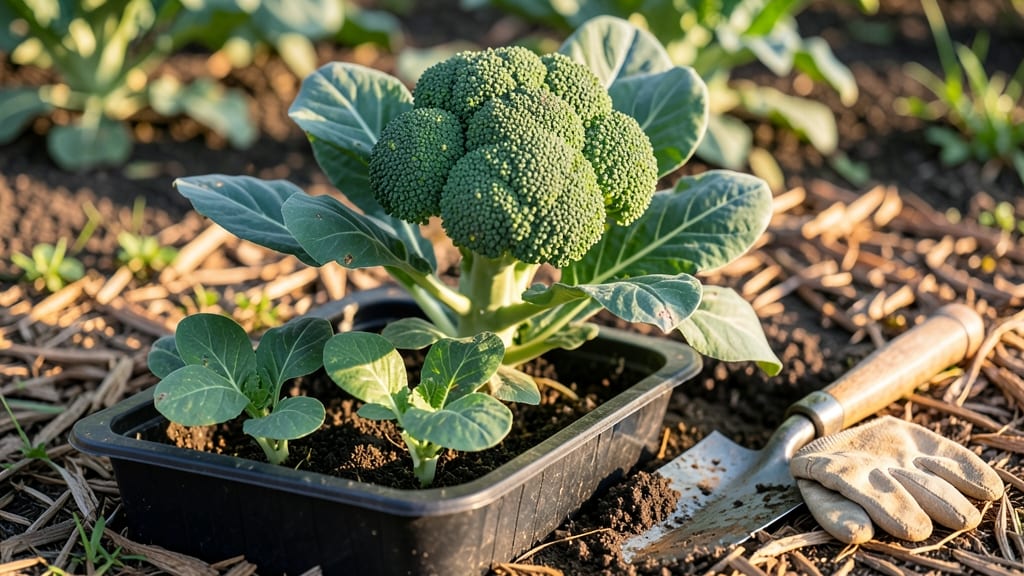
If you've ever wondered when to plant broccoli in Minnesota, timing is the secret to a bountiful harvest—especially in zones 4a-5a where frost can strike early or late.
That first frost date in May isn’t just a calendar note; it’s your 60-day countdown to planting 🥦 seeds or seedlings for a spring crop that thrives before summer heat sets in.
Here’s the thing: Minnesota’s cool-season climate makes broccoli a perfect fit, but getting the dates right means avoiding two common mistakes. Plant too early, and frost will nip your young plants. Wait too long, and you’ll miss the sweet spot for a harvest before summer’s relentless sun.
The ideal window? April 15 to May 15 for spring, with a second chance in July 15 to August 15 for fall.
Whether you’re starting seeds indoors or sowing directly into the garden, the key is preparation. Soil temperature matters—wait until it’s at least 40°F—and choosing cold-hardy varieties like ‘Waltham 29’ or ‘De Cicco’ gives you the edge in Minnesota’s unpredictable weather.
Ready to turn your garden into a broccoli powerhouse? Let’s break down the exact steps to nail those planting dates.
You’ll also discover how to stretch your harvest season with simple tricks, like using row covers or succession planting, so you’re not left scrambling when the first frost rolls around. No more guesswork—just a foolproof plan for 🥦 that tastes as good as it looks.
Minnesota broccoli planting calendar: exact start dates by region
Timing your broccoli planting in Minnesota means working with USDA Zones 3-5 and accounting for unpredictable frost dates. The key is planting 4-6 weeks before your last frost in spring and 80-100 days before first frost in fall.
Minnesota’s five distinct climate regions mean your exact dates may vary by 1-2 weeks from north to south.
For most of Minnesota, the average last frost date falls around May 15, but northern areas like Zone 3 can see frost as late as June 1.
Southern regions like Zone 5 often reach frost-free conditions by May 1. Always check your local Almanac frost dates for precision.
Broccoli thrives as a cool-season crop, so spring planting should begin indoors 4-6 weeks before last frost, while fall planting happens July-August for a late harvest. Direct sowing outdoors works too, but requires soil temperatures above 40°F and consistent moisture.
Here’s your region-specific planting guide with exact windows for both spring and fall crops, including soil prep tips and frost buffers:
Northern Minnesota gardeners should prioritize early-maturing varieties (50-60 days to harvest) to avoid late-summer heat stress. Southern regions can push for mid-season varieties (60-75 days) to extend harvests. Always harden off seedlings for 7-10 days before transplanting to prevent shock.
For fall crops, aim to harvest before first frost. Use row covers to buy 2-3 extra weeks if needed. In Zone 3, expect harvests by early October, while Zone 5 can stretch into November with protection.
Pro tip: Test your soil pH (ideal: 6.0-7.0) and add compost before planting. Broccoli needs rich, well-draining soil to thrive in Minnesota’s heavy clay or sandy loam soils. Mix in aged manure or worm castings for extra nutrients.
Remember, Minnesota’s microclimates can shift planting dates by 10 days or more
Best cold-hardy broccoli varieties for Minnesota’s short growing season
Minnesota’s cool climate and short growing season demand broccoli varieties that thrive in USDA Zones 4a-5a. The right variety can mean the difference between a bountiful harvest and a wasted effort. I’ve tested these top performers in my own garden—here’s what works best for Minnesota gardeners.
Look for varieties labeled as cold-tolerant or early-maturing. In my experience, ‘De Cicco’ and ‘Waltham 29’ are standouts—they handle light frosts and produce tight heads even in cooler weather. These varieties also resist common Minnesota pests like cabbage worms and flea beetles.
For a longer harvest window, consider ‘Green Magic’ or ‘Calabrese’. Both produce multiple side shoots after the main head is harvested, giving you weeks of fresh broccoli. I’ve seen these varieties extend my harvest by 3-4 weeks compared to standard types.
Top Minnesota Broccoli Varieties
If you’re direct-sowing seeds (instead of transplants), choose ‘Packman’ or ‘Belstar’. These varieties germinate quickly in cool soil and produce compact heads perfect for Minnesota’s limited space gardens. I’ve had success sowing these in late April under row covers to protect young seedlings.
Avoid late-maturing varieties like ‘Parthenon’ unless you’re in southern Minnesota. In Zone 4a, these take too long to mature before the first frost. Instead, focus on 50-65 day varieties to maximize your harvest window.
Pro tip: Rotate varieties each season to prevent soil-borne diseases. I plant De Cicco in spring and Green Magic in fall—this keeps my soil healthy and my harvests consistent. Pair these with companion plants like bush beans or dill to deter pests naturally.