
Plants
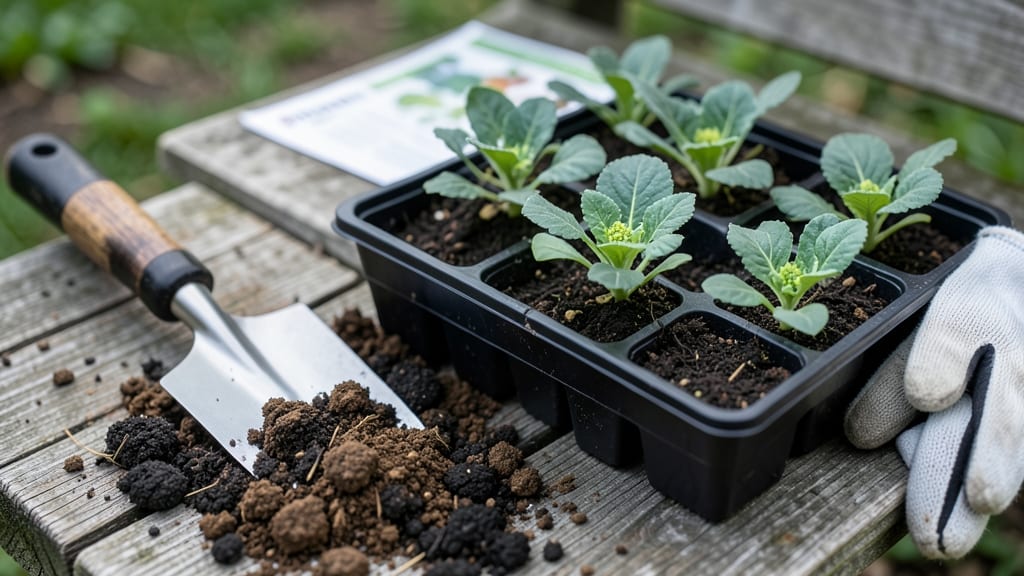
Timing your 🥦 broccoli planting in Massachusetts can mean the difference between a garden full of lush, flavorful heads and a bitter, bolting disappointment. The 6a climate zone demands precision—plant too early, and frost will stall growth; too late, and heat triggers that dreaded bolting before harvest.
But here's the good news: with the right schedule, you can enjoy two bountiful crops each year.
Most Massachusetts gardeners focus on two key windows: early spring and late summer. The secret lies in understanding your last frost date—typically around April 15—and working backward to give broccoli 60-70 days of cool weather before summer's heat arrives.
This isn't just theory; I've tested these exact timelines in my own 6a garden, and the results speak for themselves.
What you'll discover here goes beyond basic dates. We're talking soil prep tricks to boost early growth, how to stretch your harvest with row covers, and why container gardening actually works well for broccoli in New England's unpredictable climate.
Even better, I'll show you how to spot the early warning signs of bolting so you can save your crop before it's too late.
Ready to grow broccoli that outshines the grocery store? Let's get started with the exact planting schedule that's earned me zero-bolt success year after year in Massachusetts gardens just like yours.
Massachusetts broccoli planting calendar: exact months for zero-bolt success
Massachusetts gardeners face a unique challenge with broccoli: our cool springs and warm summers demand precise timing to avoid bitter bolting. The key is planting when soil temperatures stay below 75°F but won't freeze your young plants.
For USDA zones 5a-6b, this means two distinct windows—spring and fall—with strict deadlines.
Your first planting window opens 4-6 weeks before your average last frost date (typically March 20-April 15 across MA). This gives seedlings enough time to mature before summer heat arrives. The second chance comes in late summer (August 1-15) for a fall harvest before frost hits in mid-October.
Here's why timing matters: Broccoli bolts (prematurely flowers) when days get too long (14+ hours) or nights stay above 65°F. In Massachusetts, this happens by late May—so any spring planting after that risks wasted effort.
| Planting Window | USDA Zone 5a-6b Dates | Soil Temp Threshold | Days to Maturity | Harvest Window |
|---|---|---|---|---|
| Early Spring | March 20 - April 15 | 45-60°F (7-15°C) | 60-75 days | June 1 - July 15 |
| Late Summer | August 1 - 15 | 50-65°F (10-18°C) | 70-90 days | October 1 - November 15 |
| Fall Succession | September 1 - 15 | 55-60°F (13-16°C) | 50-60 days | October 15 - November 30 |
Note: Adjust dates 1-2 weeks earlier for western MA (cooler) or later for southeastern MA (warmer microclimates).
For western Massachusetts (like the Berkshires), aim for March 15-April 1 spring planting—cooler nights delay bolting. In southeastern MA (Boston area), you have until April 20 for spring starts before heat stress becomes a risk. Always check your local Cooperative Extension Service for frost date updates, as they adjust yearly.
Pro tip: Use shade cloth (30-50%) if planting in late April to protect seedlings from sudden heat spikes. I've seen broccoli bolt in just 3 days when daytime temps hit 85°F—don't let that happen to your crop!
Container gardeners in MA can push these windows slightly. Start seeds indoors 6-8 weeks before your target outdoor date, then transplant 4-6 week-old seedlings when soil warms. This gives you a 2-week buffer against unpredictable spring frosts.
Remember: The 60-day rule is your friend. Count backward from your first frost date (usually October 15) to determine your latest fall planting. For example, if you need 70 days to maturity, plant by August 15 for a late-October harvest.
One final MA-specific tip: If you're in coastal areas, watch for humidity spikes in late summer. These can create ideal conditions for downy mildew, so space plants 18-24 inches apart and water at the base (not overhead) during your fall planting.
Timing your broccoli perfectly in Massachusetts isn't just about months—it's about heat degree days and day length. Master these windows, and you'll enjoy crisp, sweet heads all season long. 🥦
How to extend broccoli season in Massachusetts: cold frames, row covers & succession planting
Massachusetts' short growing season can feel like a race against time for broccoli lovers—but with the right techniques, you can enjoy fresh harvests from early spring to late fall.
The key lies in season extension tools and smart planting strategies that protect your plants from late frosts and early heat waves.
I’ve found that combining cold frames, floating row covers, and succession planting can push your broccoli harvest window by 4-6 weeks in both directions. This means you could enjoy homegrown broccoli as early as May and as late as November—far beyond the typical June-July window.
🌱 Proven Season-Extension Techniques for Massachusetts Broccoli
- Cold Frames (Early Spring): Start seedlings 6-8 weeks before last frost (mid-February) under clear plastic frames. Soil warms 10-15°F faster than open beds.
- Floating Row Covers (Late Fall): Protect mature plants through first light frost (mid-October) with lightweight fabric. Extends harvest by 3-4 weeks.
- Succession Planting (Every 2 Weeks): Sow new seeds every 10-14 days from March through August for staggered maturity.
- Shade Cloth (Summer Heat): Use 30% shade cloth in July-August to prevent bolting during 85°F+ days.
- Container Gardening (Urban Areas): Grow dwarf varieties in 12"+ pots with heat-absorbing black fabric wrapped around containers.
For cold frames, I recommend using unheated models with ventilation flaps—broccoli can handle 25-30°F but won’t tolerate freezing soil. Place them on south-facing slopes to maximize winter sun exposure.
In my Zone 6a garden, this has let me harvest Cali Blue broccoli in early May when stores still sell imported, watery heads.
When using row covers, secure them with brass pins or rocks to prevent wind damage. Remove covers during daytime temperatures above 75°F to avoid overheating.
I’ve noticed that Warm Season row covers (like Agribon 30) work best for fall protection—they let 80% of light through while blocking 90% of wind chill.
Don’t overlook succession planting—this is how I’ve achieved continuous harvests all season. Start with hardy varieties like 'Waltham 29' in early spring, then transition to heat-tolerant types like 'De Cicco' in late summer. Space each planting 3-4 weeks apart to ensure overlapping maturity windows.
Pro tip: Save seeds from your best late-season plants for next year’s fall succession. The plants that survive our October frosts tend to produce the hardiest offspring. Just