
Plants
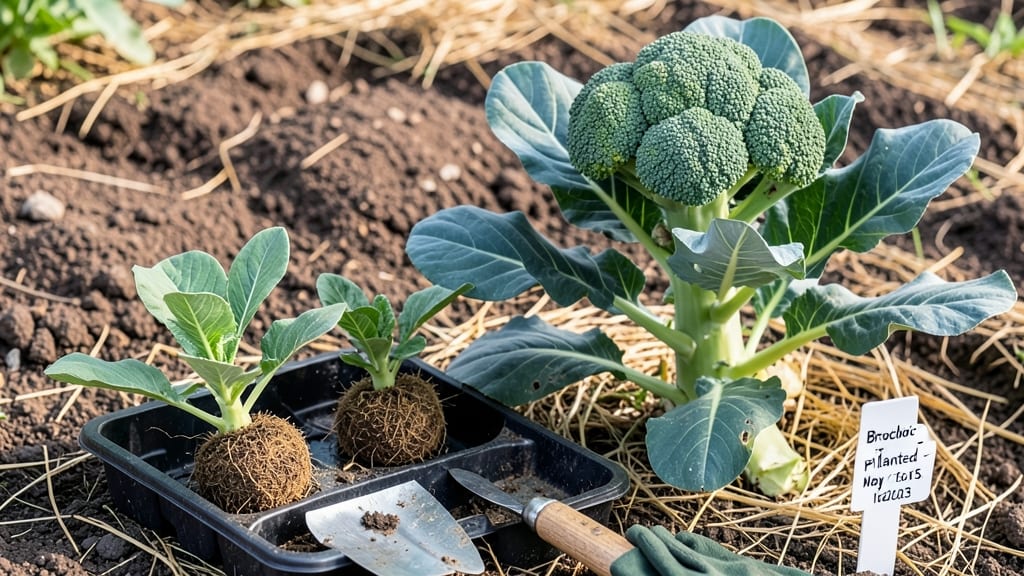
Timing your broccoli 🥦 planting in Kansas isn’t just about following a calendar—it’s about outsmarting the state’s unpredictable spring frosts and scorching summer heat. Plant too early, and a late freeze could wipe out your crop; too late, and your plants might bolt before forming heads.
But with the right strategy for USDA Zone 6b, you can turn Kansas’ short growing season into a harvest goldmine.
Most gardeners in Kansas swear by two key windows: early spring (March-April) and late summer (August-September). These periods strike the perfect balance between frost-free soil and cooler temperatures that broccoli craves.
The trick? Start seeds indoors 4-6 weeks before your last expected frost date—typically around April 15—to give seedlings a head start before transplanting.
Don’t let Kansas’ variable climate fool you—this approach works whether you’re in Wichita’s warmer pockets or Topeka’s cooler stretches. By aligning your planting with the 165-day frost-free window, you’ll avoid the common pitfalls that leave beginners frustrated. Ready to unlock the secrets to consistent, homegrown broccoli success?
In this guide, I’ll break down the exact timing, variety recommendations, and pro tips to maximize your harvest—no guesswork required. Let’s get those 🥦 crowns growing strong!
Best planting windows for Kansas broccoli success in 2024
Kansas' USDA Zone 6b climate gives you two prime chances to grow broccoli: spring and fall. The key is avoiding late frosts in spring and summer heat that stunts growth.
For most of Kansas, your last frost date falls around April 15, while the first frost arrives by October 15. These dates create a 165-day frost-free window—just enough for broccoli's 60-80 day growth cycle.
Spring plantings should start 4-6 weeks before your last frost, meaning late March to early April in most regions. Fall plantings need 8-10 weeks before the first frost, so aim for late August to early September.
Southern Kansas (like Wichita) can push these windows slightly later, while northern areas (like Topeka) should plant earlier to avoid early frosts.
Here's the critical timeline for Kansas City (Zone 6b): plant March 20-April 10 for spring or August 15-September 5 for fall. This gives your broccoli enough time to mature before summer's 90°F+ heat or winter's 28°F+ frosts ruin your crop.
Remember, broccoli hates heat—temperatures above 80°F cause bolting (flowering too early).
🌱
| Planting Window | Kansas City (Zone 6b) | Wichita (Zone 7a) | Topeka (Zone 6a) |
|---|---|---|---|
| Spring Planting | March 20 - April 10 | March 25 - April 15 | March 15 - April 5 |
| Fall Planting | August 15 - September 5 | August 20 - September 10 | August 10 - August 30 |
| Last Frost Date | April 15 | April 20 | April 10 |
| First Frost Date | October 15 | October 20 | October 10 |
| Heat Tolerance Threshold | Below 80°F | Below 80°F | Below 80°F |
Note: Adjust dates 1-2 weeks earlier for northern KS or later for southern KS.
For spring plantings, start seeds indoors 6-8 weeks before your last frost (around February 15) to give seedlings a head start. Harden them off for 7-10 days before transplanting outdoors after the soil reaches 45°F.
In Kansas, this usually means waiting until mid-April in most areas. Use black plastic mulch to warm the soil faster and protect young plants from late frosts.
Fall plantings require more precision. Since broccoli needs 60-80 days to mature, planting too late means your heads won't form before frost. Aim to harvest by mid-October in most of Kansas. If you're in southern Kansas (Zone 7a), you can push it to early November.
For fall, direct-sow seeds August 15-September 5 or transplant 4-week-old seedlings in the same window. Use row covers in early fall to extend the season by 2-3 weeks.
Kansas' variable weather makes timing tricky. Always check your local Kansas State University Extension office for microclimate adjustments. For example, Wichita's later frost dates let you plant 1-2 weeks later than Topeka. Also, watch for heat waves in June—if temperatures hit 90°F+, any remaining spring broccoli
How to extend broccoli season in Kansas using succession planting
Kansas gardens only get about 165 frost-free days, so maximizing your broccoli harvest means strategic succession planting. By staggering plantings every 2-3 weeks, you can enjoy fresh broccoli from May through November—even in Zone 6b's short season.
Start your first batch 4-6 weeks before your last frost date (around March 15-April 1 in most of Kansas). Then, add new rows every 2 weeks until late June to keep a steady supply. This method works because broccoli matures in 50-80 days, so overlapping plantings ensure continuous harvests.
For fall plantings, begin your last batch 8-10 weeks before first frost (around August 15-September 1). Use heat-tolerant varieties like 'De Cicco' to handle Kansas' late-summer heat before cooler fall temperatures arrive.
🌱 Succession Planting Timeline for Kansas
- March 15-April 1: First planting (4-6 weeks before last frost)
- April 15-May 1: Second planting (2 weeks later)
- May 15-June 1: Third planting (2 weeks later)
- June 15-July 1: Fourth planting (2 weeks later)
- August 15-September 1: Fall planting (8-10 weeks before first frost)
Choose a sunny, well-draining location with rich, slightly acidic soil (pH 6.0-7.0). Work in 2-3 inches of compost before planting to improve fertility. Space seeds 1/4 inch deep and 12-18 inches apart in rows 24-30 inches apart to allow airflow and reduce disease risk.
Companion planting boosts yields in Kansas' variable climate. Try pairing broccoli with dill, celery, or onions to deter pests like cabbage moths. Avoid planting near tomatoes or strawberries, which compete for nutrients and attract similar pests.
Water deeply every 2-3 days, aiming for 1-1.5 inches per week. Mulch with straw or grass clippings to retain moisture and suppress weeds. In Kansas' dry spells, morning watering prevents fungal diseases while keeping roots cool.