
Plants
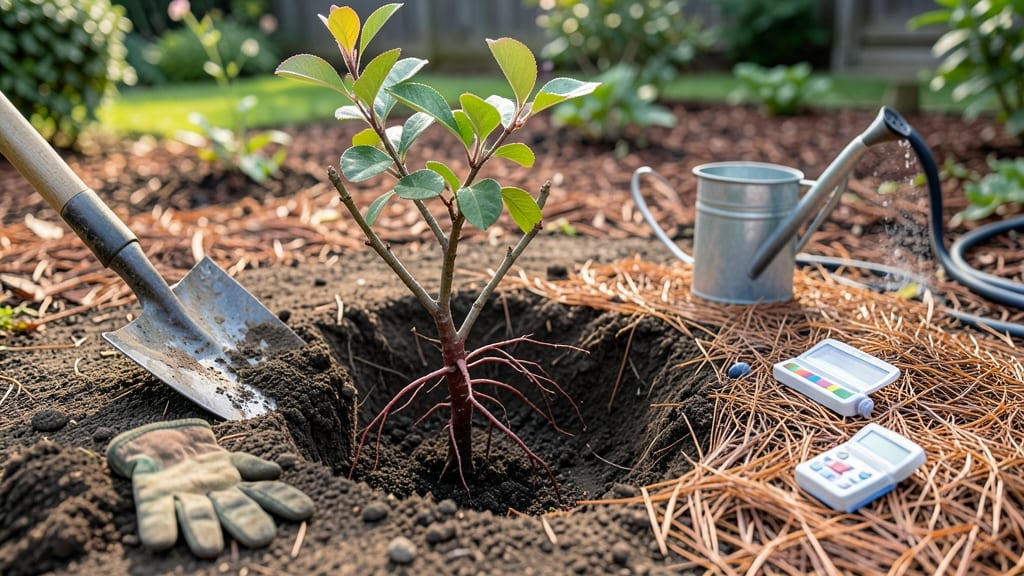
Planting blueberries at the wrong time in Massachusetts can mean waiting years for those juicy 🫐 harvests. The USDA Zone 5b-6b climate here demands precise timing—too early, and frost zaps young roots; too late, and your bushes struggle to establish before winter.
Most gardeners in Massachusetts swear by two windows: late April through early June for spring planting, or September through early October for fall. But which one gives you the best shot at thriving bushes?
The answer depends on your soil's readiness, local frost dates, and how much patience you have for waiting on harvests.
I've tested both methods in my own Zone 5b garden, and the results might surprise you. Spring planting gives you a head start on growth, while fall planting lets roots settle before winter. Either way, prep work—like adjusting that acidic soil—is the real game-changer for Massachusetts growers.
Let me walk you through the exact steps to time your planting, from soil tests to frost-proofing, so your blueberry bushes hit the ground running. Ready to turn your yard into a berry patch? Let's get started.
Best planting months for blueberries in Massachusetts (Zone 5-6)
Massachusetts' USDA Zones 5b-6b create a unique window for planting blueberries—one that balances frost risks with ideal soil temperatures. The perfect planting months are late April through early June for spring and September through early October for fall, aligning with local frost dates and soil warmth.
Blueberries thrive when planted in cool but frost-free soil. In Massachusetts, this means avoiding early spring plantings before mid-April when last frost typically occurs. Fall plantings should happen 6-8 weeks before first frost (usually mid-October) to allow roots to establish before winter dormancy.
Soil temperature is critical—blueberries need 45°F-60°F soil to root successfully. In Massachusetts, this window opens in late April and extends through early June, making these months ideal for spring plantings. Fall plantings benefit from cooler air temperatures but must complete root establishment before winter.
🌱 Blueberry Planting Timeline for Massachusetts
| Season | Ideal Planting Window | Soil Temperature | Frost Risk |
|---|---|---|---|
| Spring | Late April - Early June | 45°F-60°F | Low (after last frost) |
| Fall | September - Early October | 50°F-65°F | Moderate (6-8 weeks before first frost) |
💡 Pro Tip: Test soil pH before planting—blueberries need 4.5-5.5 pH.
Massachusetts' variable climate means eastern regions (Zone 6b) like Cape Cod have slightly longer growing seasons, while western areas (Zone 5b) like the Berkshires face earlier frosts. Adjust planting dates 1-2 weeks earlier in western MA to account for cooler temperatures.
Spring plantings offer longer growing seasons for root establishment, while fall plantings reduce transplant shock by avoiding summer heat. Both methods work well in Massachusetts, but fall plantings are often preferred for their lower water stress and fewer pests.
For container-grown blueberries, you can plant 1-2 weeks earlier than bare-root plants, as their root systems are less sensitive to temperature fluctuations. This flexibility makes container planting ideal for urban gardeners or those with limited garden space.
Always check local frost dates using the National Weather Service or Massachusetts Extension Service for your specific region. These resources provide hyperlocal planting windows that account for microclimates across the state.
Once planted, mulch heavily with pine needles or wood chips to maintain soil acidity and protect roots from winter temperature swings. This is especially critical in Massachusetts' cold winters and hot summers.
Spring vs. fall planting: which works better in Massachusetts?
Massachusetts gardeners often debate whether to plant blueberries in spring or fall, and the answer depends on your local climate quirks. Both seasons offer advantages, but one will give your bushes a head start in USDA Zone 5b-6b.
Let’s break down the pros and cons so you can choose the best time for your yard.
Spring planting (late April to early June) aligns perfectly with Massachusetts’ last frost date (mid-April). Warmer soil temperatures help roots establish quickly, and your bushes have the entire growing season to mature. However, spring planting requires more watering attention as summer heat arrives.
Fall planting (September to early October) lets blueberries develop roots before winter dormancy, which can mean faster fruiting the following year. But timing is critical—plant too late, and frost can damage tender roots. Massachusetts’ first frost (mid-October) sets the deadline.
Spring Planting
- Warmer soil speeds root growth
- Full growing season for establishment
- Easier to monitor watering needs
- Requires consistent watering
- Late planting risks frost damage
- Pests like birds may target new plants
Fall Planting
- Established roots before winter
- Less competition for water
- Faster fruiting next season
- Risk of frost damaging new roots
- Limited time for root establishment
- Harder to plant in cold, wet soil
For Massachusetts gardeners, fall planting often wins because it gives bushes a head start. However, if you miss the fall window, spring planting is still a solid choice—just be prepared for extra watering and pest watch. Either way, acidic soil prep is non-negotiable for success.
Pro tip: If you’re unsure, plant in early fall (September) to balance root growth and frost risk. Mulch heavily with pine needles or oak leaves to protect roots through winter. This is a game-changer in Massachusetts’ unpredictable climate!
Remember, blueberries are perennial plants, so choosing the right season now means years of harvestable berries with minimal stress. Pick your timing wisely, and you’ll be enjoying fresh blueberries in late June or July!