
Plants
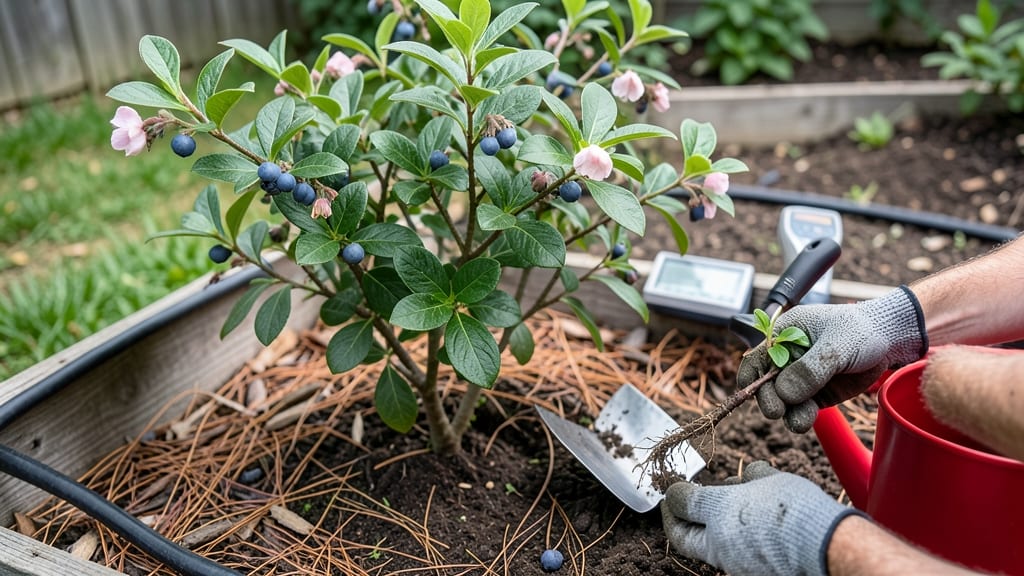
Timing your blueberry planting in Colorado isn’t just about following a calendar—it’s about reading the land. One wrong move, and you could end up with frost-nipped buds or stunted growth, leaving you wondering why your 🫐 bushes aren’t thriving.
The good news? With the right approach, you can turn Colorado’s variable climate into your advantage and enjoy a bountiful harvest.
Most gardeners swear by late winter to early spring (March–April) as the sweet spot, but early fall (September) works too—if you act fast before the first frost.
The key lies in understanding your local microclimate, whether you’re in Denver’s 5b zone or Colorado Springs’ 6a, where frost dates can shift by weeks. I’ll show you how to nail the perfect window and avoid common pitfalls that derail even the most eager gardeners.
Why does this matter? Because blueberries are finicky—they need acidic soil, the right chill hours, and just enough warmth to wake up from dormancy. Get the timing wrong, and you’ll spend years waiting for berries that never come.
But get it right, and you’re looking at juicy, homegrown 🫐 by mid-summer—worth every bit of planning.
Let’s break down exactly when to plant, how to prep your soil, and which varieties thrive in Colorado’s high-altitude swings. You’ll leave here with a clear roadmap to success, so your blueberry bushes grow strong and productive from day one.
Optimal Colorado blueberry planting dates by elevation zone
Colorado’s diverse elevations—from the Front Range to the Western Slope—create wildly different planting windows for blueberries. At Denver’s 5,280 feet, last frosts typically hit April 15, while Aspen’s 7,800 feet can see frost until May 15.
Understanding your microclimate is key to avoiding frost damage and ensuring strong root establishment.
Blueberries thrive when soil temperatures reach 40–50°F consistently. In Colorado Springs (Zone 6a), this usually occurs by late March, while Grand Junction (Zone 6b) may wait until early April. High-altitude areas like Fort Collins (Zone 5b) often push planting to May to avoid late frosts.
Here’s how to align your planting with Colorado’s three key elevation zones and their frost-free windows:
| Elevation Zone | Avg. Last Frost | Soil Temp Threshold | Ideal Planting Window | City Examples |
|---|---|---|---|---|
| Front Range (4,000–7,000 ft) | April 1–15 | 45–50°F (late March) | March 15–April 30 | Denver, Boulder, Fort Collins |
| Western Slope (5,000–8,000 ft) | April 15–May 1 | 40–45°F (early April) | April 1–May 15 | Grand Junction, Colorado Springs |
| Mountain Regions (7,000–10,000 ft) | May 1–15 | 40°F (late April) | May 1–June 1 | Aspen, Leadville, Durango |
For Denver gardeners, aim to plant bare-root blueberries between March 15 and April 15. Use a soil thermometer to confirm temps are stable above 45°F—this prevents shock and encourages root growth.
If you’re in Colorado Springs, extend your window to April 1–May 1 to account for later frosts.
Fall planting is also viable in Zones 6–7, but rush it by September 15 to allow roots to establish before winter. High-altitude areas like Aspen should wait until late May to avoid frost damage to new shoots.
Pro tip: Check your local cooperative extension office for hyper-local frost data. For example, Boulder’s urban heat island can delay frosts by 3–5 days compared to rural areas just 10 miles away.
If you’re unsure about your exact frost date, err on the side of late planting. Blueberries are perennial, so a slightly delayed start is better than risking frost-heaved roots or bud dieback.
For container growers, extend your window by planting potted blueberries as early as February in a greenhouse or cold frame. Move them outdoors only after all danger of frost has passed.
🌱
How to time blueberry planting for Colorado’s unpredictable spring weather
Colorado’s spring weather is famously unpredictable—one day it’s 40°F with frost, the next it’s 70°F and sunny. For blueberries, this variability means timing is everything. Plant too early, and you risk frost damage to tender new growth.
Wait too long, and your bushes may struggle to establish roots before summer heat sets in.
My secret? Monitor soil temperature (not air temperature) and adjust your planting window accordingly. Blueberries thrive when soil reaches 40–50°F. In most of Colorado, this typically happens in late March to early April, but high-elevation areas like Aspen or Leadville may need to wait until May.
Another critical factor is choosing between bare-root and potted blueberry plants. Bare-root bushes (cheaper and widely available) need to be planted in early spring while dormant.
Potted plants, however, offer more flexibility—you can plant them throughout spring as long as soil temps are right, making them ideal for Colorado’s late starts.
If you’re planting in fall (September), aim for 6–8 weeks before the first frost. This gives roots time to establish before winter dormancy. Just be sure to water deeply and mulch heavily to protect roots from freezing temperatures.
Pro tip: Use a soil thermometer ($10 at garden centers) to check temps at 6-inch depth. If it’s consistently above 40°F for 3–5 days, it’s time to plant! Avoid waterlogged soil—blueberries hate soggy roots, so amend your soil with sand or perlite if drainage is poor.
Finally, consider microclimates. A south-facing slope warms up faster than a north-facing yard. If your garden is prone to late frosts, plant blueberries near a sunny wall or heat-absorbing brick to create a warmer microclimate.
With the right timing and a little patience, you’ll be enjoying homegrown Colorado blueberries in just a few years! 🌱