
Plants
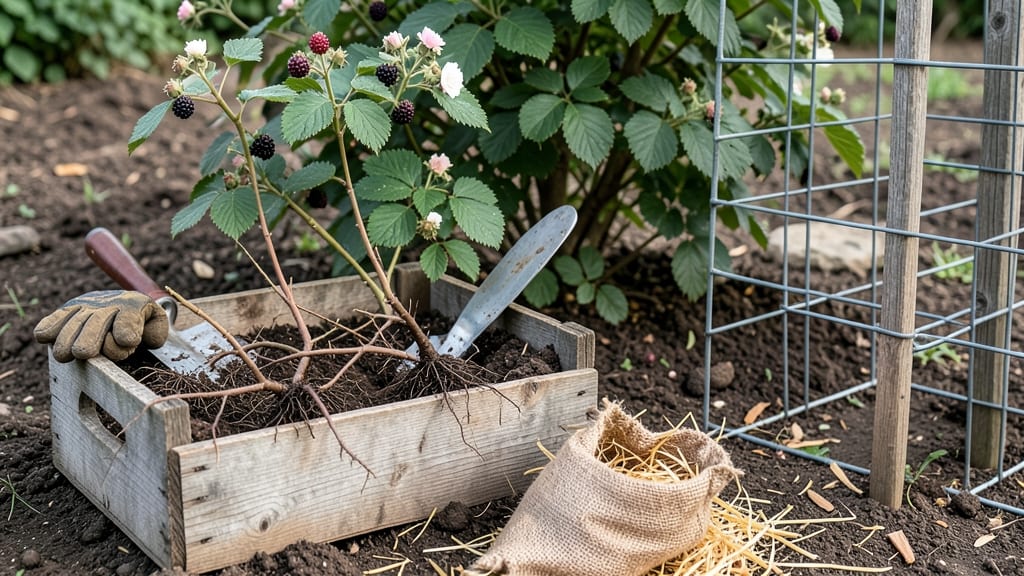
Timing your blackberry planting in Ohio isn’t just about avoiding frost—it’s about matching your plants’ chill-hour needs with the state’s unpredictable climate. If you get it wrong, you could end up with stunted growth or poor fruit production, and nobody wants that when they’re dreaming of summer 🫐 harvests.
Ohio’s USDA Zone 6a climate means you’ve got two prime windows to plant: early spring (March–April) or early fall (September–October). But here’s the catch—your blackberries need 300–1,000 chill hours to thrive, and Ohio’s microclimates can throw a wrench in your plans if you’re not careful.
Whether you’re in Northern Ohio where frosts linger later or Southern Ohio where spring arrives early, knowing the exact frost-free timeline is the key to success.
I’ll walk you through Ohio-specific strategies to time your planting perfectly, from soil prep to post-planting care, so you can enjoy juicy blackberries by mid-summer.
Ready to avoid common mistakes and set your blackberries up for a bountiful harvest? Let’s dive into the best planting schedule for your Ohio garden.
Ohio’s blackberry planting zones: chill-hours vs. frost-free dates
Ohio’s climate creates unique challenges for blackberry growers, where chill-hour requirements (300–1,000+ hours) must align with frost-free dates that vary by region. Northern Ohio’s colder zones (like USDA Zone 5b) demand early planting to meet chill needs, while Southern Ohio’s Zone 6b offers longer windows.
Timing isn’t just about frost—it’s about matching your blackberry variety’s dormancy needs to Ohio’s unpredictable spring transitions.
For example, primocane-bearing varieties (like ‘Natchez’) thrive in Southern Ohio’s warmer microclimates, while floricane types (like ‘Triple Crown’) need Northern Ohio’s extended cold periods to set fruit.
Ignoring these differences can lead to poor yields or no berries at all. Let’s break down Ohio’s three key regions to pinpoint your ideal planting window.
| Region | USDA Zone | Avg. Last Frost | Chill-Hours Needed | Best Planting Window |
|---|---|---|---|---|
| Northern Ohio | 5b–6a | April 15–May 1 | 800–1,000+ hrs | Early spring (March–April) or early fall (Sept 15–Oct 15) |
| Central Ohio | 6a–6b | April 1–April 15 | 600–800 hrs | Late March–April or Sept 1–Oct 10 |
| Southern Ohio | 6b–7a | March 15–April 1 | 300–600 hrs | Early spring (Feb–March) or late summer (Aug 15–Sept 15) |
In Northern Ohio, where winters linger longer, aim for early spring planting (March–April) to ensure canes establish roots before summer heat. The 800–1,000 chill hours required by varieties like ‘Chester’ or ‘Illini Hardy’ mean you’ll need to plant 6–8 weeks before your last frost date.
Miss this window, and your plants may not produce fruit the first year.
Central Ohio gardeners enjoy a slightly longer window, thanks to its 6a–6b zones. Here, you can plant as early as late March or extend into early fall (Sept 1–Oct 10).
Varieties like ‘Apache’ or ‘Ouachita’ thrive here, requiring 600–800 chill hours. Fall planting is ideal if you’re using bare-root canes, as cooler soil helps reduce transplant shock.
Southern Ohio’s warmer microclimates (USDA Zone 6b–7a) allow for earlier spring planting, sometimes as early as February. This region’s 300–600 chill-hour varieties (like ‘Arapaho’ or ‘Prime-Ark Freedom’) can even handle late summer plantings (August–September), though fruit production may be delayed.
The key is avoiding extreme heat stress during establishment.
Ohio’s unpredictable late frosts (even after April 15) are a major risk. Use frost cloth or plant near a south-facing wall to protect young canes. In Northern Ohio, fall planting (Sept 15–Oct 15) is safer than spring—canes root slowly in cold soil, avoiding frost damage.
Southern Ohio’s milder winters make spring planting the preferred choice.
Pro tip: Check Ohio State University’s frost date maps (updated annually) for your county. For example, Toledo’s last frost averages April 10, while Cleveland’s is April 20.
Planting 2–3 weeks before these dates gives your blackberries a head start. Pair this with soil temperature checks—wait until soil reaches 40°F+ for spring plantings.
One common mistake? Assuming all blackberries need full winter chill. Primocane varieties (like ‘Natchez’) produce fruit on new growth and tolerate fewer chill hours, making them perfect for Southern Ohio’s shorter winters.
Meanwhile, floricane types (like ‘Darrow’) demand longer cold periods and struggle in Zone 7a+ climates. Choose your variety based on your region’s chill hours.
Finally, Ohio’s clay-heavy soils can delay planting. Amend soil with compost or sand to improve drainage, especially in Northern Ohio’s wetter zones. A well-prepared bed with 6.0–6.5 pH ensures your blackberries thrive regardless of planting season.
With the right timing and soil prep, Ohio’s blackberry season can yield sweet, juicy berries from July through September.
🫐Step-by-step blackberry planting schedule for Ohio’s climate
Ohio’s climate variability means your blackberry planting schedule depends on whether you’re in Northern Ohio (colder) or Southern Ohio (warmer). For most regions, early spring (March–April) or early fall (September–October) are ideal windows.
Spring planting works best after the last frost date, while fall planting allows roots to establish before winter.
Before planting, test your soil’s pH—blackberries thrive in acidic soil (pH 5.5–6.5). Ohio’s clay-heavy soils often need amendments like compost or sand to improve drainage. Mix in 3–4 inches of compost and till to a depth of 12 inches for optimal root growth.
Choose between bare-root canes (cheaper, best for spring) or potted plants (easier to handle, good for fall). For spring planting, soak bare-root canes in water for 2–4 hours before planting to reduce transplant shock. In fall, plant 6–8 weeks before frost to allow roots to establish.
📋 Step-by-Step Planting Timeline for Ohio
- March–April (Spring): Plant after last frost (typically mid-April in most of Ohio). Space canes 3–4 feet apart in rows 6–8 feet apart.
- September–October (Fall): Plant 6–8 weeks before frost (aim for early September in Northern Ohio, late September in Southern Ohio).
- Soil Prep: Dig a 12-inch-deep trench or mound to improve drainage. Mix in compost and sand if soil is clay-heavy.
- Planting Depth: Bury canes 2 inches deep, ensuring the crown is level with soil. Trim roots to 8–10 inches for better establishment.
- Watering: Water deeply 2–3 times per week for the first 4 weeks to encourage root growth.
- Mulching: Apply 3 inches of mulch (straw or wood chips) to retain moisture and suppress weeds.
In Northern Ohio (USDA Zone 5b–6a), extend your spring planting window by using row covers or cold frames to protect young plants from late frosts. For fall planting, choose hardy varieties like ‘Chester’ or ‘Triple Crown’, which tolerate colder temperatures better.
After planting, prune canes to 24–30 inches to encourage bushier growth. Avoid heavy pruning in the first year—focus on establishing roots. In year two, prune out weak or crossing canes to improve airflow and reduce disease risk.
Blackberries need consistent moisture, especially during fruit development (June–August). In drought-prone areas, water deeply 2–3 times per week and apply mulch annually to retain soil moisture. By following this schedule, you’ll set your blackberries up for abundant harvests in 2–3 years.