
Plants
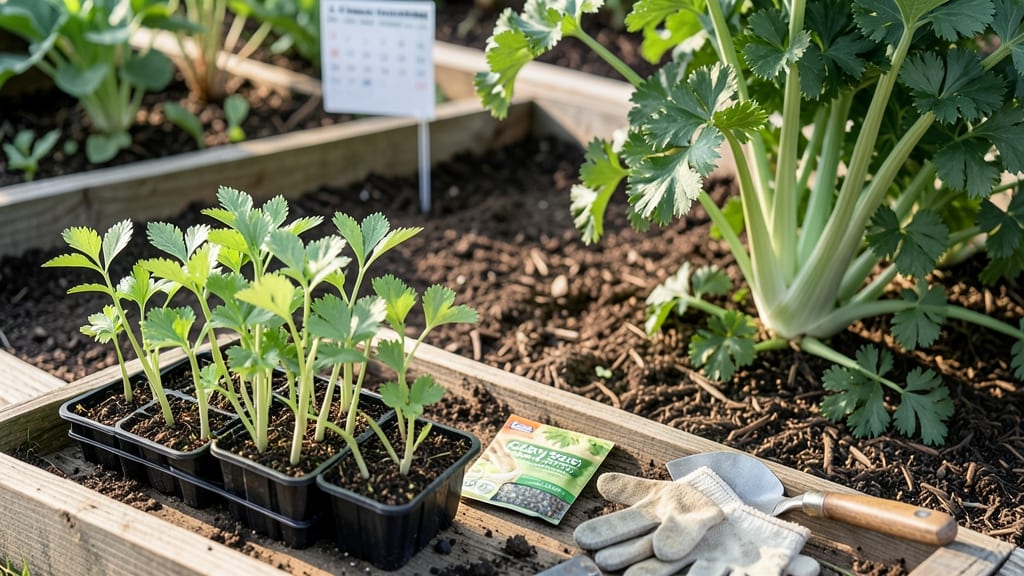
If you’ve ever wondered why your 🥬 celery plants bolt into flower or taste bitter, timing is the answer—especially in Zone 6. Planting celery too early or late can turn your crisp, sweet harvest into a disappointing flop, but getting the window right ensures thick, flavorful stalks all season.
The key lies in Zone 6’s cool-weather demands: celery thrives when soil temperatures hover between 50–65°F, and it needs 90–160 days to mature.
That means starting seeds indoors 10–12 weeks before your last frost date (around early March) or sowing directly in late summer (July–August) for a fall harvest.
Here’s the game-changer: succession planting in Zone 6 lets you stretch your harvest from August through December. Whether you’re a first-time gardener or a seasoned green thumb, this guide breaks down the exact deadlines—plus how to adjust for your local microclimate—to keep your celery growing strong.
Ready to avoid the bitter, bolted mess and grow celery that rivals the grocery store? Let’s dive into the perfect planting schedule for your Zone 6 garden.
Optimal planting windows for celery in Zone 6 by month
In Zone 6, timing is everything for growing crisp celery. The key is planting when soil temperatures are cool—50°F to 75°F (10°C–24°C)—but before summer heat triggers bolting.
With an average last frost date of April 15 and first frost around October 15, you’ve got two prime windows: early spring and late summer.
Celery is a cool-season crop, so it thrives in Zone 6’s mild spring and fall. If you plant too early, seedlings may rot in cold soil; too late, and the heat will make your celery bitter and woody.
Let’s break down the best months for planting, whether you’re starting seeds indoors or sowing directly.
🌱
| Month | Planting Method | Soil Temp | Days to Harvest | Notes |
|---|---|---|---|---|
| February | Indoors (start seeds) | 60°F–65°F (15°C–18°C) | 120–140 days | Transplant outdoors after last frost. |
| March | Direct sow or transplant | 50°F–60°F (10°C–15°C) | 100–120 days | Best for early harvests before heat sets in. |
| April | Direct sow (after frost) | 55°F–65°F (13°C–18°C) | 90–110 days | Ideal for succession planting. |
| July | Direct sow (late summer) | 60°F–70°F (15°C–21°C) | 100–120 days | Use shade cloth to protect from heat. |
| August | Direct sow (late summer) | 65°F–75°F (18°C–24°C) | 90–110 days | Last chance for fall harvest before frost. |
For spring plantings, aim to have celery established by late April to early May so it matures before summer heat arrives. If you’re growing in northern Zone 6 (like Chicago or Minneapolis), you may have an extra week or two of cool soil in spring.
In southern Zone 6 (like Nashville or Richmond), soil warms faster—so plant sooner in March.
Your late-summer window (July–August) is trickier because Zone 6’s heat can still stress celery. To succeed, use shade cloth (30–50%) and keep soil moist. If you’re in a hotter microclimate (like near pavement or black mulch), consider delaying until mid-August for cooler nights.
Pro tip: If you miss these windows, don’t despair! Celery can tolerate light frosts (down to 25°F (-4°C)), so a fall planting in September might still yield a small harvest before winter. Just be prepared for slower growth in cooler temps.
🌿
How many chill hours does celery need in Zone 6?
Celery is a cool-season crop that relies on chill hours to develop its signature crisp texture and flavor. In Zone 6, where winters are cold but summers can be hot, understanding these requirements is key to avoiding bitter, bolted plants.
Most celery varieties need 300–500 chill hours below 45°F (7°C) to thrive. This means if you plant too early in spring or too late in summer, your celery may struggle to mature properly.
To calculate your local chill hours, check your USDA Zone 6a or 6b frost data. For example, areas like Chicago or Philadelphia typically accumulate 400–500 chill hours by late winter, while drier regions like Denver may see slightly fewer.
If your area falls short, consider heat-tolerant varieties like 'Utah' or 'Tall Utah', which handle warmer conditions better.
🌱 Pro Tip: Use a soil thermometer to ensure seeds aren’t planted until the soil reaches 50°F (10°C)—cold soil can delay germination and reduce chill-hour effectiveness.
- 📍 300–500 chill hours below 45°F (7°C) needed for optimal growth.
- ⏰ Zone 6a/b typically accumulates these hours by late February–March.
- ❄️ Planting too early (before chill hours are met) risks bolting or poor stalk development.
- ☀️ Planting too late (after soil warms above 70°F (21°C)) causes bitterness and stunted growth.
- 🌿 Heat-tolerant varieties (e.g., 'Utah') can handle 500–600 chill hours and still perform well.
If you’re unsure about your local chill hours, start seeds indoors 10–12 weeks before your last frost date (typically mid-February to early March in Zone 6). This gives seedlings a head start and ensures they’re ready to transplant when outdoor conditions align with their chill-hour needs.
For fall plantings, aim to sow seeds 8–10 weeks before your first frost (usually late July–early August).
Microclimates can also affect chill-hour accumulation. For example, urban areas with concrete may experience fewer chill hours than rural spots, while elevated gardens might get colder overnight. Adjust your planting timeline accordingly—if your garden runs cooler, you can plant slightly earlier.
Monitor your celery’s progress closely. If leaves start turning yellow or bolt (sending up flower stalks), it’s a sign the plant is stressed by heat or insufficient chill hours.
In this case, provide afternoon shade with a lightweight shade cloth (30–50% shade) to protect your crop and extend its growing season.
✂️ Key Takeaway: Balance chill hours with your Zone 6 frost dates—plant when soil temps are ideal (50–70°F) and chill hours are met for the sweetest, crispiest celery!