
Plants
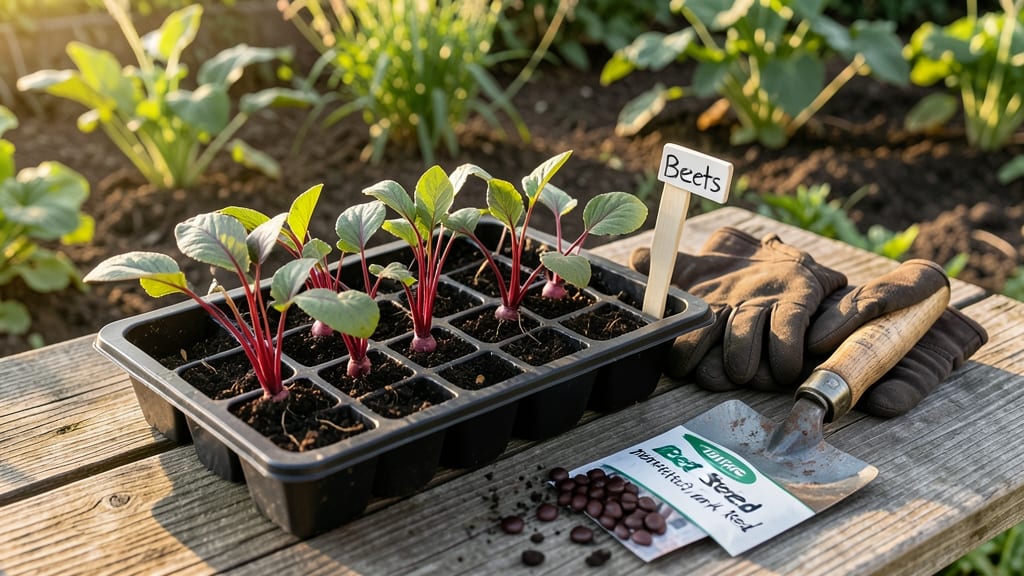
Timing when to plant beets in NJ isn’t just about luck—it’s about working with your climate’s rhythm. Plant too early, and frost will turn your tender roots into mushy disappointment; too late, and you’ll miss the sweetest, most flavorful beets of the season.
Here’s the game-changer: NJ’s 6b-7a zones give you two prime windows—spring and fall—where beets thrive.
Whether you’re a first-time gardener or a seasoned green thumb, knowing exactly when to sow seeds (like March 15-April 30 for spring or August 1-September 15 for fall) means the difference between a meager harvest and a garden overflowing with vibrant, earthy roots.
But here’s what most NJ gardeners overlook: microclimates matter. Northern parts of the state have earlier frosts, while southern areas can push the season later. I’ll break down how to adjust your planting schedule based on your exact location, plus 3 foolproof tips to extend your harvest well into fall.
Ready to grow beets that are sweeter, tenderer, and ready to harvest at the perfect moment? Let’s dive into the exact schedule—and avoid the common mistakes—that’ll make this your most successful beet season yet.
Best planting times for beets in NJ zones 6b-7a: spring vs fall schedule
New Jersey’s USDA Zones 6b-7a offer two prime windows for beet planting: spring and fall. Timing these correctly means the difference between tender, sweet roots and bolted, bitter greens.
For spring, aim to plant 4-6 weeks before your last frost date—typically mid-March to late April—while fall crops thrive when seeded 8-10 weeks before the first frost, usually early August to mid-September.
Beets are cold-hardy crops, but they despise summer heat. Planting too early risks frost damage, while late spring sowings may produce bolted or woody roots as temperatures climb.
In North Jersey (Zone 6b), the window is slightly shorter than in South Jersey (Zone 7a), so adjust accordingly. Always check your local frost dates—they vary yearly!
🌱
For spring plantings, start seeds indoors 4-6 weeks before your last frost to get a head start. Transplant seedlings outdoors once soil temperatures reach 40°F+, but harden them off first to avoid shock.
In North Jersey, where frosts linger longer, opt for early-maturing varieties like 'Babybeat' or 'Golden' to avoid bolting.
Fall beets benefit from succession planting. Sow seeds every 2-3 weeks from early August through mid-September to stagger harvests. Use row covers or low tunnels to extend the season into November, protecting tender greens from early frosts.
Varieties like 'Chioggia' or 'Detroit Dark Red' hold up well in cooler weather.
🌿
One common misconception is that beets can handle summer heat. While they tolerate warm soil, air temperatures above 80°F cause bolting—when the plant focuses on flowering instead of root development.
In South Jersey’s hotter microclimates, avoid planting after late April unless you’re using shade cloth. For summer harvests, try shade-tolerant varieties like 'Cylindra' and plant in partial shade.
Pro tip: Test your soil’s pH (6.0-7.0) before planting. Beets prefer loamy, well-draining soil rich in organic matter. Amend heavy clay soils with compost or sand to improve drainage.
In sandy soils, add peat moss to retain moisture. Always plant seeds ½ inch deep and thin seedlings to 3-4 inches apart to prevent competition.
💧
To maximize your harvest, plan for two planting cycles: one in early spring (March) for summer harvests and another in late summer (August) for fall/winter harvests. In Zone 7a, you can even overwinter beets with thick mulch and harvest again in early spring.
Just remember: consistent moisture is key—beets need 1 inch of water per week, especially during root development.
Best planting times for beets in NJ zones 6b-7a: spring vs fall schedule
New Jersey’s USDA Zones 6b-7a offer two ideal windows for growing beets: spring and fall. The key is avoiding frost damage while maximizing soil warmth—beets thrive in temperatures between 50°F and 75°F.
In NJ, this means starting seeds 4–6 weeks before your last frost date (typically March 15–April 30) and again in late summer for a fall harvest.
For spring planting, begin indoors or under row covers in early March if you’re eager, but direct-sow after April 1 when soil reaches 50°F.
In Southern NJ (Zone 7a), you can push this to March 1, while Northern NJ (Zone 6b) may need to wait until mid-April due to colder soils. Fall planting should start August 1–September 15, with harvests finishing before first frost (late October).
| Season | Planting Window | Soil Temp | Key Notes |
|---|---|---|---|
| Spring | March 15–April 30 | 50°F+ | Start indoors early March; direct-sow after last frost. Use row covers for earlier starts. |
| Fall | August 1–September 15 | 60°F+ | Aim for harvest before first frost (late Oct). Succession plant every 2 weeks for continuous harvest. |
| Microclimate Tip | Southern NJ | Warmer soils | Plant 2 weeks earlier than Northern NJ. Monitor soil temp with a thermometer. |
| Microclimate Tip | Northern NJ | Cooler soils | Wait until mid-April for spring; use black plastic mulch to warm soil faster. |
Beets are cold-hardy but struggle with extreme heat—avoid planting after May 15 in spring or you’ll risk bolting (premature flowering). For fall crops, choose heat-tolerant varieties like 'Detroit Dark Red' or 'Golden', which handle summer’s residual warmth better.
Always test soil temperature before planting: stick a soil thermometer 2 inches deep—50°F is your minimum for germination.
Pro tip: In Northern NJ, use black plastic mulch or straw mulch to warm soil faster in spring. In Southern NJ, focus on shade cloth during peak summer to prevent bolting.
Both regions benefit from succession planting—sow new seeds every 2 weeks to ensure a steady supply of fresh beets from June through October.
Don’t forget to harden off seedlings if starting indoors. Acclimate them to outdoor conditions over 7–10 days before transplanting to avoid shock. This is especially critical in cooler NJ springs, where temperature swings can stress young plants.
Pair your beets with companion plants like lettuce or radishes to maximize space and deter pests.
For a foolproof schedule, mark your last frost date (check NJ State Climate Office for yearly updates) and count backward: 6 weeks for spring, 10 weeks for fall.
Adjust for microclimates—urban areas may stay cooler longer than rural spots. With this timing, you’ll enjoy tender, sweet beets all season long!