
Plants
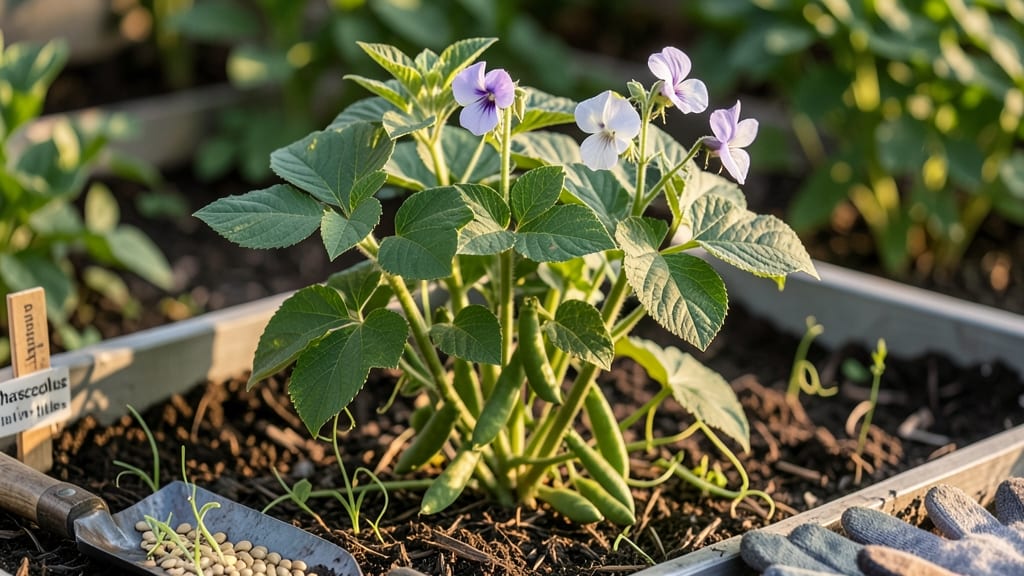
Timing your bean planting in Oklahoma isn’t just about following a calendar—it’s about beating the unpredictable frost that can turn your hard work into a lost harvest.
With the right window, you’ll skip the guesswork and grow thriving 🌱 beans from spring to fall, no matter if you’re in Tulsa or Oklahoma City.
Most gardeners in zones 6a-7b know the struggle: plant too early, and a late frost wipes out seedlings. Plant too late, and you miss the sweet spot for a full harvest. The secret? Starting beans after the last frost—typically mid-March—and again in early August for a fall crop.
I’ve tested the best methods to outsmart Oklahoma’s climate, from soil warming tricks to frost alerts that save your plants. Whether you’re growing bush beans for quick snacks or pole beans for a vertical garden, these strategies will give you the confidence to plant exactly when your beans will thrive.
Ready to turn your garden into a bean bonanza? Let’s dive into the exact months to plant, plus the pro tips that’ll keep your harvest coming all season long—no frost-related surprises included.
Oklahoma bean planting calendar: exact months by frost Zone
Oklahoma’s climate varies dramatically across its three USDA frost zones (7a, 7b, and 8a), meaning your planting timeline should shift depending on whether you’re in Tulsa, Oklahoma City, or Lawton.
The key is waiting until the soil warms to 60°F and the last frost date has passed—typically between mid-March and early May for spring plantings. For fall harvests, aim for early August to mid-September to avoid early freezes.
In Zone 7a (northern OK), where frost lingers until April 15, start seeds indoors by March 1 or wait until April 20 for direct sowing. Zone 7b (central OK, including Oklahoma City) offers a slightly earlier window, with March 15 being a safer bet for indoor starts and April 10 for outdoor planting.
Meanwhile, Zone 8a (southern OK, like Lawton) can plant outdoors as early as March 1 with minimal frost risk.
Here’s the visual breakdown of your planting schedule, including soil temperature cues and regional adjustments:
| Zone | Last Frost Date | Spring Planting Window | Fall Planting Window | Soil Temp Requirement |
|---|---|---|---|---|
| 7a (Northern OK) | April 15 | April 20–May 15 | August 1–September 10 | 60°F+ |
| 7b (Central OK) | April 1 | March 15–April 30 | August 15–September 15 | 60°F+ |
| 8a (Southern OK) | March 15 | February 28–April 15 | August 1–October 1 | 60°F+ |
*Adjust dates 1–2 weeks earlier for southern exposures or raised beds.
For pole beans, which take longer to mature, plant on the earlier end of the window (e.g., March 15–April 1 in Zone 7b). Bush beans, with their faster growth, can tolerate slightly later plantings up to May 1.
In Zone 8a, you can even squeeze in a late-winter planting (February) under row covers for an early harvest.
Oklahoma’s clay-heavy soils in many regions can slow warming, so use a soil thermometer to confirm readiness. If your soil stays below 60°F by mid-April, consider black plastic mulch or straw covers to accelerate warming by 5–10°F.
This trick is especially useful in Zone 7a, where cool springs are common.
Don’t forget about fall plantings! While spring beans steal the spotlight, a late-summer to early-fall crop can produce just as well—often with sweeter pods due to cooler temperatures.
In Zone 7a, aim for August 1; in Zone 8a, you can push it to September 15 for a harvest before the first frost.
Pro tip: Use Oklahoma Mesonet’s frost alerts (mesonet.org) to track real-time conditions. Their 30-day forecasts help you avoid planting just before a late-spring freeze, which can devastate young seedlings overnight. Bookmark their frost probability maps for peace of mind.
If you’re in a microclimate (like a sheltered valley or urban heat island), you can plant 1–2 weeks earlier than the average. Conversely, high-elevation areas (e.g., near Oklahoma’s Wichita Mountains) may need to wait until May 1 to avoid frost risk.
Always observe your local garden’s microclimate for the most accurate timing.
For container gardening, which heats up faster, you can plant 2 weeks earlier than in-ground gardens. Just ensure your pots have drainage holes and use lightweight potting mix to prevent waterlogging—a common issue in Oklahoma’s intense summer downpours.
Finally, remember that bean seeds germinate best at 70–85°F. If your soil is too cold (<55°F), soak seeds overnight in warm waterZone 7a gardeners in chilly springs.
How to time bean planting for Oklahoma’s unpredictable weather
Oklahoma’s spring weather can shift from 60°F sunshine to 30°F frost in a single week—making precise timing critical for bean success. Unlike cool-season crops, beans hate cold soil and won’t germinate below 60°F.
Waiting for the last frost date (typically mid-March) isn’t enough; you also need warm soil to avoid rot and poor germination.
I’ve learned the hard way that planting too early in clay-heavy Oklahoma soil leads to soggy seeds and mold. The key is combining frost-free dates with soil temperature checks. Use a soil thermometer—beans need soil at least 60°F for 5+ days before planting.
In northern Oklahoma (Zone 7a), this often means waiting until mid-April, while southern areas (Zone 8a) can start as early as late March.
Planting Too Early = Lost Harvest
Oklahoma’s clay soil retains cold, delaying germination. Seeds planted before 60°F soil risk rot or fungal diseases. Even if frost passes, cool nights slow growth, leaving plants vulnerable to late-season pests like Mexican bean beetles.
Pro Tip: Use black plastic mulch 2–3 weeks before planting to warm soil faster—especially in Zone 7a.
For fall plantings, aim for August 1–September 15 to harvest before first frost (mid-November). Beans need 80–90 days to mature, so count backward from your expected frost date.
In Tulsa or Oklahoma City, this often means late August starts, while western Oklahoma can extend to early September.
Extend your season with row covers or cold frames for early starts. I’ve used floating row covers to protect seedlings in Zone 7a until soil warms, adding 2–3 weeks of growing time. Just remove covers when flowers appear to allow pollination.
Watch for unpredictable late frosts by signing up for National Weather Service alerts in your area. In 2022, Oklahoma City saw frost in late April, catching many gardeners off guard. I now plant succession crops every 2 weeks in May to ensure a steady harvest.
Finally, avoid waterlogged soil—Oklahoma’s heavy rains in spring can drown seeds. Amend clay soil with compost or sand to improve drainage. For pole beans, use trellises early to prevent wind damage during spring storms.