
Plants
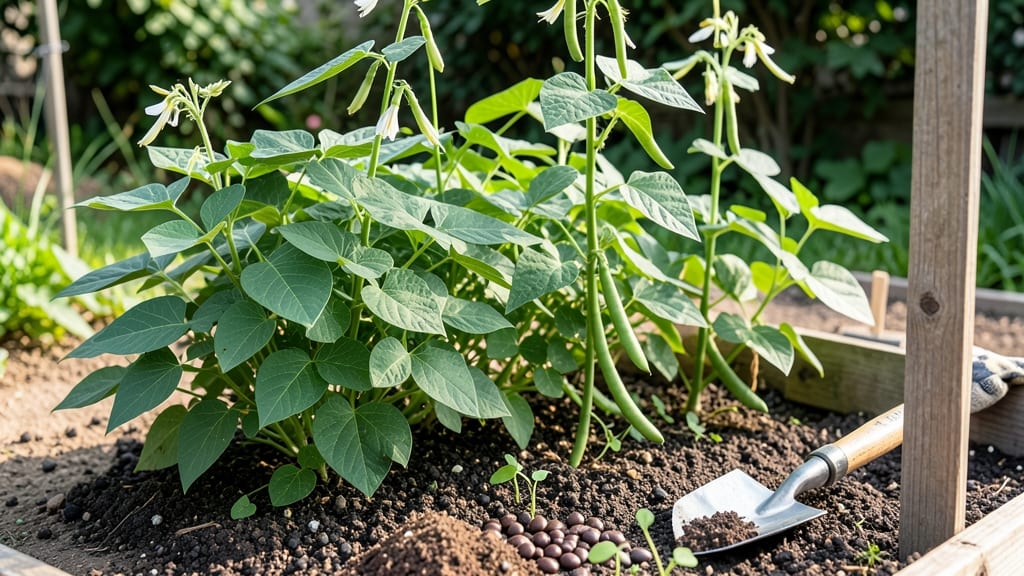
Timing your beans planting in Minnesota isn't just about the calendar—it's about beating the clock on frost, soil warmth, and that 140-day growing window before winter sets in. Get it wrong, and you might end up with sad, stunted plants or worse, a total bust.
But nail it, and you'll be feasting on fresh 🌱 beans from July through September.
Here's the hard truth: Minnesota's USDA Zones 3b-5a demand precision. Planting too early risks frost damage, while waiting too long cuts your harvest short. The sweet spot? Mid-May to early June after the last frost—when soil temperatures finally hit that magic 50°F threshold.
But what if your garden's in Zone 4 and you're staring at a late spring? That's where the real strategy begins.
I've grown beans in Minnesota for years, and I'll show you exactly how to time it right—whether you're growing bush beans, pole beans, or specialty varieties. We'll cover soil prep tricks, frost-proofing methods, and even how to stretch your season with succession planting.
No more guessing games—just a foolproof plan tailored to Minnesota's quirks.
Ready to turn your garden into a bean bonanza? Let's dive into the exact deadlines, variety-specific tips, and pro moves that'll have your plants thriving from seed to harvest. Your taste buds—and your dinner table—will thank you.
Minnesota bean planting deadlines by variety type (Zone 4 guide)
Minnesota’s Zone 4 climate means timing is everything for beans—plant too early and risk frost damage, too late and miss peak harvests. The average last frost date falls between May 10-25, but this varies by region.
Northern MN (e.g., Duluth) often waits until late May, while southern areas (e.g., Rochester) can start early May.
Soil temperature is just as critical as frost dates. Beans need soil at least 50°F to germinate. Use a soil thermometer to confirm—cold soil delays sprouting and invites rot. In cooler years, this might push planting back to early June.
Here’s the breakdown for Minnesota’s most popular bean varieties, including bush beans, pole beans, and lima beans, with regional adjustments:
| Variety Type | Optimal Planting Window | Soil Temp Requirement | Minnesota-Specific Notes |
|---|---|---|---|
| Bush Beans (e.g., Blue Lake, Roma) | May 15–June 1 (North MN) / May 1–15 (South MN) | 50–55°F | Compact growth; ideal for small gardens. Harvest in 60–70 days. |
| Pole Beans (e.g., Kentucky Wonder, Scarlet Runner) | May 20–June 10 (North MN) / May 10–20 (South MN) | 55–60°F | Tall varieties need trellises. Longer harvest window (70–90 days). |
| Lima Beans (e.g., Fordhook, Henderson) | June 1–15 (All Regions) | 60°F+ | Heat-loving; plant after soil is consistently warm. Harvest in 80–100 days. |
| Snap Peas (e.g., Sugar Snap, Snow Pea) | May 1–15 (South MN) / May 15–30 (North MN) | 45–50°F | Cold-tolerant; plant 2 weeks before beans for early harvests. |
🌱 Pro Tip: Check the MN State Climatology Office for your local last-frost date.
For succession planting, sow bush beans every 2 weeks until July 1 to stagger harvests. Pole beans, however, benefit from a single planting in late May—their long vines need space to establish before summer heat sets in.
Minnesota’s short growing season (about 140 frost-free days) means prioritizing fast-maturing varieties. Aim for 50–60 day harvest times for bush beans and 60–70 days for pole beans. Lima beans, with their 80+ day maturity, are best left for late May plantings in southern MN.
If you’re in northern MN (Zone 3b), consider starting beans indoors in late April and transplant after the last frost. Use biodegradable pots to avoid root disturbance. Southern MN gardeners can push the envelope with early April sowings under row covers.
Always monitor weather forecasts in the days leading up to planting. A late frost warning might delay your schedule by 1–2 weeks. Use frost cloth to protect young seedlings if overnight temps dip below 32°F.
For container gardening, plant beans in 5-gallon pots filled with well-draining potting mix. Containers warm up faster than garden soil, letting you plant 1–2 weeks earlier in spring. Just ensure pots get full sun (6+ hours).
Remember: Soil prep is key. Amend beds with compost to improve drainage, and avoid fresh manure—it can burn delicate bean roots. Aim for a pH of 6.0–6.8; test your soil in early spring to adjust if needed.
With these deadlines, your Minnesota bean garden will thrive—from crisp snap peas in June to hearty lima beans in August. Happy planting! 🌱
How to extend your Minnesota bean growing season (cold-soil solutions)
Minnesota’s cool soil temperatures can delay bean planting until late May or early June, but with the right tricks, you can start 2-3 weeks earlier or even extend harvests into fall.
The key is warming the soil and protecting tender seedlings from unexpected frosts. Here’s how to beat the clock and grow beans longer in your Zone 4 garden.
One of the simplest ways to jumpstart your season is by using black plastic mulch. Lay it down 2-3 weeks before planting to absorb sunlight and raise soil temperatures by 10-15°F.
This method works especially well for pole beans, which need warmer roots to thrive. Just cut slits in the plastic where you’ll plant seeds to avoid damaging roots later.
For those late-May frosts that Minnesota is famous for, row covers are a game-changer. Lightweight fabric covers create a microclimate that can protect seedlings from 28°F temperatures.
Secure the edges with bricks or soil to prevent wind damage, and remove covers during the day to allow pollination for bush beans.
🌱
Lay down 2-3 weeks before planting to warm soil by 10-15°F. Ideal for pole beans and slow-starting varieties.
Use floating row covers to shield seedlings from late frosts. Remove during pollination for bush beans.
Position beans south of fences, brick walls, or raised beds to capture extra warmth from sunlight.
Choose ‘Provider’ or ‘Kentucky Wonder’ pole beans, which tolerate cooler soils and extend harvests by 2-3 weeks.
If you’re aiming for a fall harvest, succession planting is your best friend. Start a second batch of seeds in early July using the same soil-warming tricks. Since beans have a 50-70 day maturity window, this ensures pods are ready before the first frost in mid-October.
Just be sure to use fast-maturing varieties like ‘Blue Lake’ or ‘Contender’.
For container gardeners, black pots absorb heat like mulch and can raise soil temps by 5-10°F. Fill them with a lightweight potting mix and place on a south-facing patio or deck. This method works especially well for bush beans, which don’t need as much space as pole beans.
Finally, don’t underestimate the power of companion planting. Pair beans with corn or cucumbers to create a natural windbreak and retain soil moisture. The cornstalks also provide shade, keeping the soil cooler for longer—perfect for late-summer plantings when temperatures climb.
☀️