
Plants
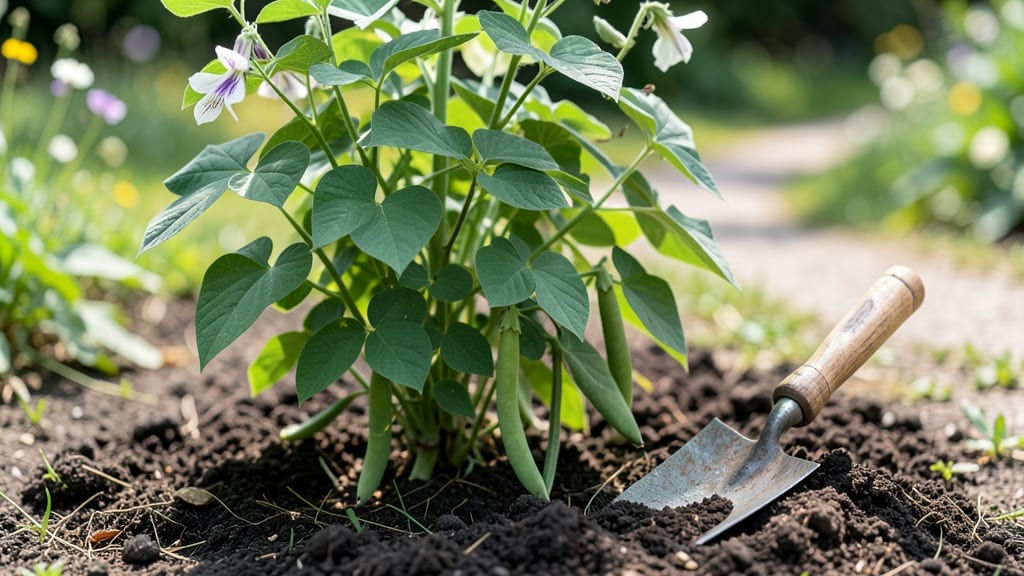
Planting beans at the wrong time in Florida can mean battling pests, poor germination, and wasted effort—but timing it perfectly ensures a thriving harvest with minimal stress.
With year-round growing potential in zones 8a-11, the key lies in aligning your schedule with Florida’s microclimates to avoid heat stress or frost surprises. Whether you’re growing bush beans or climbing pole varieties, knowing the exact weeks to plant makes all the difference.
Most gardeners in Florida focus on cooler months—September through March—when temperatures dip below 85°F and pests like aphids and bean beetles are less aggressive. But did you know that even South Florida’s frost-free zones benefit from strategic timing?
I’ll break down the optimal planting windows for each region, so you can skip the guesswork and start harvesting in just 60-90 days.
What if you want beans year-round? The trick is succession planting—staggering your crops every 2-3 weeks to keep your garden productive. We’ll cover how to choose heat-tolerant varieties for summer and protect your plants from Florida’s intense afternoon sun. Ready to turn your garden into a bean bonanza?
Let’s dive into the microclimate-specific schedule that’ll have your 🌱 beans thriving, whether you’re in North Florida’s cooler pockets or the balmy South. No more wasted seeds or frustrated waiting—just a steady supply of fresh, homegrown beans all year.
Optimal Florida bean planting Weeks by microclimate zone
Florida’s climate varies dramatically from North to South, making a one-size-fits-all planting schedule impossible. The state spans USDA Zones 8a-11, with North Florida facing occasional frost and South Florida enjoying year-round warmth.
To maximize your bean harvest, align planting with your microclimate’s last frost dates and heat tolerance of your chosen varieties.
For North Florida (Zones 8a-9a), where frost can still occur, aim to plant beans after the average last frost date—typically around mid-January for early varieties.
In Central Florida (Zone 9b), you can start as early as late December, while South Florida (Zones 10a-11) gardeners enjoy a longer window, with year-round planting possible for heat-tolerant varieties.
Here’s a breakdown of the best planting weeks for each zone, tailored to both bush beans (compact, 1-3 ft tall) and pole beans (vining, 6-10 ft tall), which thrive in warmer conditions:
| Zone | Planting Window (Weeks) | Best Varieties | Key Considerations |
|---|---|---|---|
| North FL (8a-9a) | Weeks 3-5 (Jan-Feb) Weeks 30-34 (Sept-Oct) |
Bush: 'Blue Lake' Pole: 'Kentucky Wonder' |
Avoid frost; use row covers in early spring. |
| Central FL (9b) | Weeks 2-4 (Dec-Jan) Weeks 28-32 (Aug-Sept) |
Bush: 'Contender' Pole: 'Rattlesnake' |
Summer planting needs shade cloth to prevent heat stress. |
| South FL (10a-11) | Year-round (best: Weeks 5-10 & 25-30) | Bush: 'Masai' Pole: 'Scarlet Runner' |
Heat-tolerant varieties; mulch heavily to retain moisture. |
In North Florida, prioritize early spring (Jan-Feb) and fall (Sept-Oct) plantings to avoid the 90°F+ summer heat, which stunts growth and attracts pests like bean beetles.
For Central Florida, you can extend your season into late summer (Aug-Sept), but use shade cloth to protect seedlings from intense afternoon sun.
South Florida gardeners have the luxury of year-round planting, but focus on cool-season varieties (Jan-Mar) and heat-tolerant types (May-Jul). Varieties like 'Scarlet Runner' pole beans thrive in the heat, while 'Masai' bush beans offer quick harvests in 90 days or less.
Always check soil temperatures—beans prefer 60-85°F for germination.
For a continuous harvest, stagger plantings every 2-3 weeks within your zone’s ideal window. For example, in North Florida, plant Week 3 (Jan), then again in Week 5 (Feb), and finally in Week 32 (Sept).
This strategy ensures you’re always picking fresh pods while avoiding overwhelming pest pressure that comes with a single massive planting.
Pro tip: Use a soil thermometer to confirm temperatures before planting. If soil is above 85°F, wait or opt for heat-resistant varieties like 'Cowpeas', which handle Florida’s summer heat better than traditional beans. 🌱
Timing isn’t just about avoiding frost—it’s also about pest avoidance. Bean beetles and aphids peak in late spring and summer, so planting in fall or early spring reduces their impact.
Pair your schedule with companion planting, like marigolds or nasturtiums, to naturally deter pests during critical growth stages. 🪴
Optimal Florida bean planting Weeks by microclimate zone
Florida’s climate varies dramatically from its northern to southern regions, making planting timing critical for bean success. North Florida’s cooler winters and South Florida’s year-round warmth create distinct windows for planting. Central Florida falls somewhere in between, requiring a balanced approach to avoid heat stress or frost damage.
For bush beans, aim to plant when soil temperatures consistently stay above 60°F but below 85°F. Pole beans, which thrive longer, can handle slightly warmer soils but still prefer cooler conditions. The key is avoiding Florida’s summer heat spikes (June-August) and winter frosts (December-February in North FL).
| Zone | Best Planting Weeks | Soil Temp Goal | Avoid |
|---|---|---|---|
| North FL (Zone 8a-9a) | Weeks 40-44 (Sept-Oct) & Weeks 2-6 (Jan-Feb) | 60-75°F | Frost (Dec) & Summer Heat (June-Aug) |
| Central FL (Zone 9b-10a) | Weeks 36-40 (Aug-Sept) & Weeks 8-12 (Mar-Apr) | 65-80°F | Peak Summer (July) & Late Fall Chills |
| South FL (Zone 10b-11) | Weeks 1-4 (Jan-Feb) & Weeks 44-48 (Oct-Nov) | 70-85°F | None (but avoid extreme heat) |
In North Florida, where frosts are possible, plant bush beans in early fall (September) and pole beans in late winter (January-February). Central Florida’s milder winters allow for two planting windows: late summer (August) and early spring (March).
Meanwhile, South Florida gardeners can plant almost year-round, but focus on cool-season varieties from January to February and heat-tolerant types in October-November.
Use a soil thermometer to confirm temperatures before planting—beans won’t germinate well in soils below 60°F. In summer months, opt for shade-tolerant varieties like ‘Scarlet Runner’ or ‘Contender’ to avoid heat stress. Pair your planting schedule with succession plantings every 2-3 weeks to extend your harvest season.
Pro tip: In North Florida, cover young plants with frost cloth if temperatures dip below 32°F—even a light frost can stunt growth. South Florida gardeners should prioritize well-draining soil to prevent waterlogging during the rainy season (June-October).
By aligning your planting with these microclimate-specific windows, you’ll minimize pest pressure (like bean beetles in summer) and maximize yields. Start with small test batches to refine your local timing—Florida’s weather can vary even within short distances! 🌱