
Plants
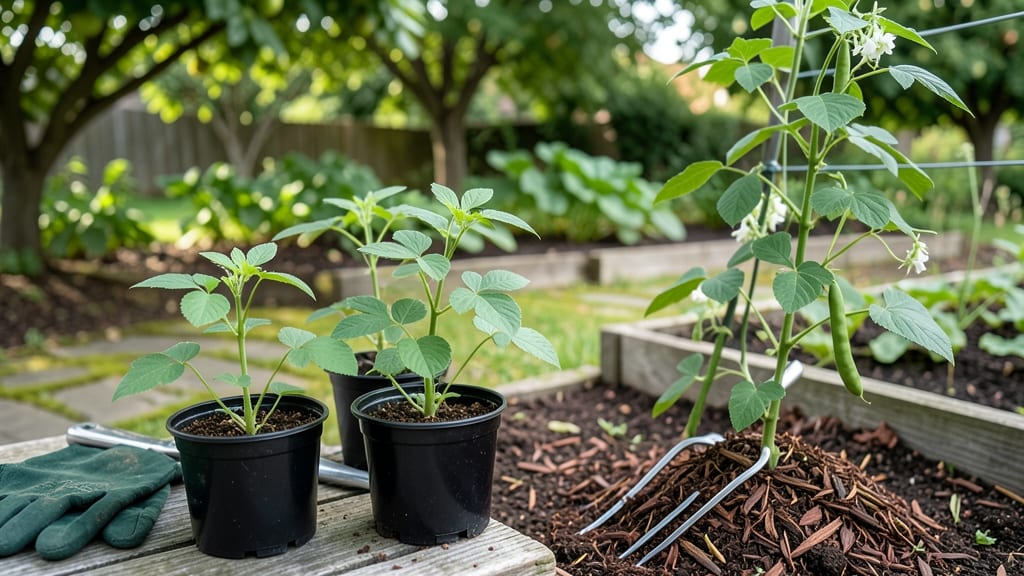
Planting beans at the wrong time in California can mean the difference between a thriving garden and a sad, shriveled disappointment. With 9a-10b zones and microclimates ranging from foggy coasts to desert heat, timing is everything for your 🌱 harvest.
Whether you're in Los Angeles, the Central Valley, or the Mojave, the key to success lies in understanding your region's unique frost-free window. Coastal areas like San Francisco can start as early as February, while inland zones may wait until March to avoid chilly surprises.
I've grown beans across California's diverse landscapes, and what I've learned will help you avoid common pitfalls. From soil prep to succession planting, these strategies ensure you get the best harvest possible all season long.
Ready to transform your garden into a bean-producing powerhouse? Let's dive into the exact planting windows, soil needs, and pro tips that work for every California climate zone.
Optimal bean planting months in California by climate Zone
California’s microclimates create a puzzle for gardeners—what works in coastal San Francisco fails in desert Palm Springs. Beans thrive when planted after soil warms to 60°F, but timing varies wildly across the state.
Let’s break it down by region so you can plant with confidence and avoid frost damage or heat stress.
In coastal areas (USDA Zone 10a), where fog delays warming, start sowing pole beans and bush beans as early as February. By March, soil temperatures rise enough for reliable germination.
Meanwhile, Central Valley gardeners (Zone 9a) should wait until late March to April—earlier plantings risk chilly soils that stunt growth.
For Southern California deserts (Zone 10b), where heat arrives early, March is your sweet spot. Heat-tolerant varieties like ‘Rattlesnake’ or ‘Black Valentine’ handle the intensity, but avoid planting after June—summer’s 100°F+ days stress even the hardiest beans. Let’s compare your options:
| Region | Best Planting Window | Soil Temp Requirement | Frost Risk | Best Varieties |
|---|---|---|---|---|
| Coastal (SF, LA) | Feb–Apr, Aug–Sep | 60°F+ (Mar+) | Low (Dec–Jan) | ‘Blue Lake’, ‘Contender’ |
| Central Valley (Sacramento) | Mar–May, Aug–Sep | 65°F+ (Apr+) | Moderate (Nov–Dec) | ‘Kentucky Wonder’, ‘Provider’ |
| Desert (Palm Springs) | Mar–Apr, Sep–Oct | 70°F+ (Mar+) | None | ‘Rattlesnake’, ‘Black Valentine’ |
Pro tip: Use black plastic mulch in cooler zones to warm soil faster. In desert areas, provide afternoon shade to prevent pod scorch. Always plant bush beans in successive batches every 2 weeks for continuous harvests—this works year-round in Zone 10b.
If you’re in transition zones (like Santa Barbara), test soil temps with a soil thermometer. Wait until readings hit 60°F for 3+ days before sowing. Pole beans need longer warm spells than bush varieties, so prioritize them in May–June plantings.
For fall harvests, coastal gardeners can try August–September sowings, but inland areas should stop by late July to avoid heat exhaustion. Use shade cloth (30–50%) in Central Valley summers to protect tender seedlings.
Remember: Drought-resistant varieties like ‘Dry Bean’ or ‘Pinto’ thrive in water-scarce zones, but even they need 1–2 inches of water weekly. Mulch heavily to retain moisture—this is non-negotiable in Zone 9a–10b.
Now that you’ve got your planting windows locked in, let’s tackle how to extend your harvest season—because why stop at one crop when you can have beans all year? 🌱
How to extend your bean harvest season in California
California’s long growing season lets you harvest beans for months—but only if you use smart strategies. Succession planting and heat-tolerant varieties are your secret weapons for continuous harvests. Start with short-season varieties like 'Blue Lake' (50 days) or 'Contender' (55 days) every 2-3 weeks to keep pods coming.
For coastal areas with foggy mornings, use shade cloth (30-50%) to protect young plants from temperature swings. In Southern California’s heat, opt for drought-resistant varieties like 'Black Valentine' or 'Purple Hull' and mulch heavily to retain moisture.
Timing is everything: Spring plantings (March-May) thrive in cooler months, while fall plantings (August-September) avoid summer’s peak heat. In desert regions, extend harvests by planting in early spring and late summer to avoid extreme temperatures.
Don’t forget companion planting to boost yields! Pair beans with corn and squash (the "Three Sisters" method) for natural support and pest control. In urban gardens, use container growing with self-watering pots to maintain consistent moisture.
For year-round production, combine spring and fall plantings with greenhouse growing in cooler regions. Even in USDA Zone 10, a simple low tunnel can extend harvests into December for fresh, homegrown beans.
With these strategies, you’ll enjoy fresh beans from spring to fall—no sad, shriveled pods in sight! 🌱