
Plants
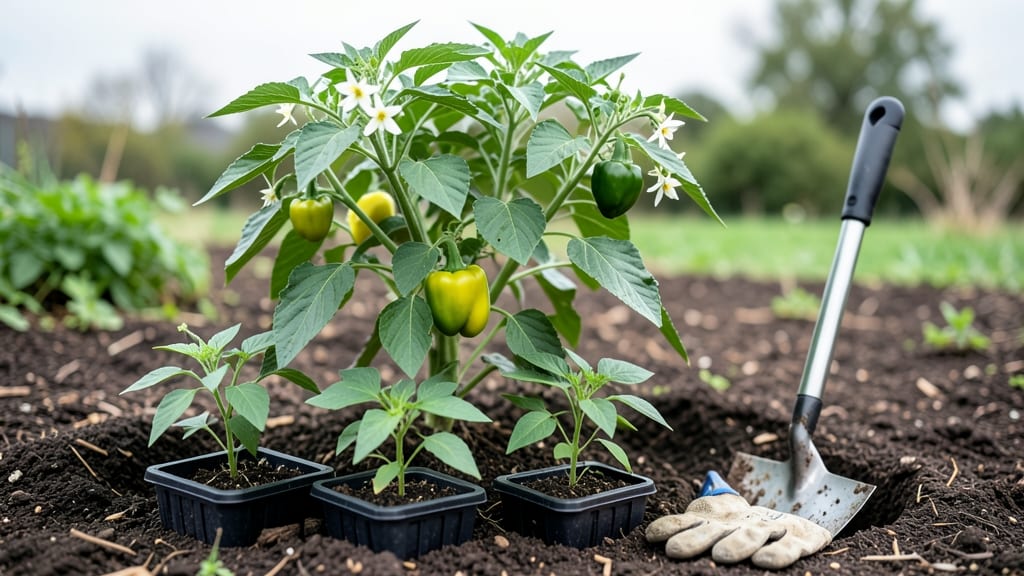
Timing your 🌶️ bell pepper planting in Southern California isn’t just about the calendar—it’s about mastering the invisible battle between coastal breezes and inland heat. Plant too early, and your peppers might bolt before they ripen; too late, and summer’s scorching sun could turn your harvest into a crispy disappointment.
Here’s the secret: coastal gardeners in USDA zones 9b-11 can start seeds indoors as early as February, while inland growers should wait until March to avoid heat stress. The key isn’t just the date—it’s understanding how your local microclimate plays tricks on your plants.
Whether you’re transplanting seedlings or sowing directly, soil temperature matters more than the thermometer outside. Aim for 60°F+ soil—any cooler, and your peppers will sulk like a teenager skipping chores. I’ll show you exactly how to time it right for your specific corner of SoCal.
From coastal Santa Barbara to the desert-like Inland Empire, we’ll break down the best strategies to keep your plants thriving—no matter where you garden. Ready to turn your backyard into a pepper powerhouse? Let’s get started.
Optimal bell pepper planting calendar for Southern California’s coastal regions
Coastal Southern California—think Los Angeles, San Diego, and Santa Barbara—offers a longer growing season and milder winters than inland areas. The key to success? Timing your bell pepper plantings to avoid late spring heat and coastal fog, which can delay ripening.
Unlike inland zones, coastal areas rarely face frost, but soil temperature and day length still dictate the best windows.
For coastal gardeners, the ideal planting window spans from mid-February to early April. This timing ensures your peppers mature before summer heat stress kicks in, typically around June or July.
Direct-sowing seeds too early can lead to stunted growth from cool nights, while planting too late risks bolting (premature flowering) due to heat.
Here’s the coastal bell pepper planting timeline broken down by stage, including soil temperature thresholds and transplant readiness:
| Stage | Action | Coastal Timing | Soil Temp (°F) |
|---|---|---|---|
| Start Seeds Indoors | 8-10 weeks before last frost (or early Jan) | January | 65-75°F |
| Transplant Seedlings | After soil warms to 60°F+ | Mid-February to early April | 60°F+ |
| Direct Sow Seeds | After all frost risk passes | Late March to early April | 65°F+ |
| Harvest Window | 75-90 days after transplant | May to July | N/A |
If you’re growing heat-sensitive varieties like ‘Early California Wonder’ or ‘Carmen’, prioritize early February transplants to beat the summer heat. For hotter-tolerant types such as ‘Jupiter’ or ‘Aristotle’, you can extend planting until late March without risking bolting.
Coastal gardeners also benefit from a fall planting window for winter harvests. Start seeds indoors in August and transplant in September to enjoy peppers from November to January. This strategy works especially well in Santa Barbara, where winters are milder.
One coastal-specific tip: Monitor soil moisture closely. The marine layer can create foggy mornings that delay evaporation, leading to overwatering risks. Water deeply in the morning to let excess moisture evaporate before nightfall, and always check soil 1-2 inches down before watering again.
For container gardening in coastal areas, use fast-draining mixes with added perlite or vermiculite to prevent root rot. Coastal soils can be sandy and nutrient-poor, so amend with compost or aged manure before planting.
A 5-10-10 fertilizer applied at transplanting will give your peppers a nutrient boost to combat coastal soil deficiencies.
Finally, watch for pest pressures like aphids and whiteflies, which thrive in coastal humidity. Use neem oil or insecticidal soap preventatively, and prune lower leaves to improve airflow and reduce fungal diseases like early blight.
With the right timing and care, coastal Southern California can deliver two bountiful bell pepper harvests per year—one in summer and another in winter. The secret? Start early, stay consistent with water, and adapt to microclimates like foggy mornings or breezy afternoons.
Optimal bell pepper planting calendar for Southern California’s coastal regions
Coastal Southern California—think Los Angeles, San Diego, and Santa Barbara—offers a unique advantage for bell pepper growers: mild winters and extended growing seasons. Unlike inland areas, coastal zones rarely experience frost, but chilly ocean breezes and slow soil warming can delay planting if you’re not strategic.
The key is timing your transplants to align with soil temperatures above 60°F and avoiding the June Gloom humidity that can invite fungal diseases.
For coastal gardeners, the ideal planting window spans February through early April. This timing ensures your peppers establish roots before summer’s intense sun and heat arrive. If you’re starting seeds indoors, begin them 8-10 weeks before transplanting—typically in December or January—to give seedlings a head start.
Harden them off by late February to early March for outdoor planting.
| Stage | Action | Notes |
|---|---|---|
| Indoor Seed Start | December-January | Use grow lights if natural light is limited |
| Harden Off | Late February | Gradually expose to outdoor temps |
| Transplant Outdoors | Early March-April | Soil temp must be 60°F+ |
| First Harvest | May-July | Peppers mature in 75-90 days |
| Fall Succession | August-September | For winter harvests in mild zones |
One coastal-specific tip: Monitor soil temperature using a soil thermometer—60°F is the minimum for germination, but 70°F+ accelerates growth. In San Diego’s coastal areas, soil warms faster than in Santa Barbara’s foggy zones, so adjust your schedule accordingly.
If you’re in a high-humidity microclimate, like near Long Beach, space plants 18-24 inches apart to improve airflow and reduce disease risk.
Don’t overlook fall planting for coastal gardeners! While summer heat can be brutal inland, coastal areas like Malibu or Newport Beach often see milder autumn temperatures. Plant heat-tolerant varieties like ‘Carmen’ or ‘Jupiter’ in late August or early September for a winter harvest.
These peppers thrive in 60-75°F temps and can produce fruit until December or January.
Protect young seedlings from coastal windburn by using windbreaks or row covers until they’re established. A simple burlap barrier or plastic mesh can shield tender plants while allowing sunlight through.
Once your peppers are 6 inches tall, they’ll be tough enough to handle Pacific breezes—but keep an eye on salt spray near the coast, which can stress plants.
For maximum yield, pair your bell peppers with companion plants like basil, marigolds, or onions, which deter pests and improve flavor.
In coastal gardens, drip irrigation is your best friend—it delivers consistent moisture without wetting foliage, reducing the risk of fungal diseases like Phytophthora, which thrives in coastal humidity.
Remember: Coastal bell peppers need full sun—6-8 hours daily—but afternoon shade cloth (30-50%) can help during peak summer heat. This balance ensures your plants thrive without bolting or producing bitter, small fruits.
With the right timing and care, your coastal garden can yield sweet, vibrant bell peppers from spring through winter.