
Plants
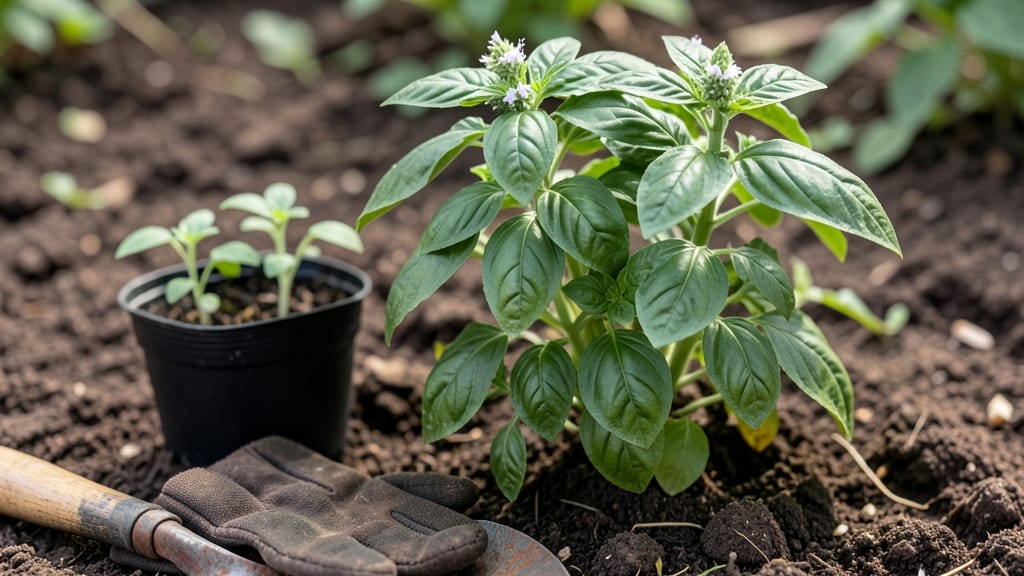
Timing your basil planting in Oregon can feel like navigating a maze—one wrong move, and frost or heat ruins your crop. But here’s the secret: the 7b-9a zones hide microclimates where coastal fog delays planting while valley heat demands early starts.
Get this right, and you’ll harvest fragrant 🌿 basil from June through September.
Most gardeners wait until after the last frost (typically April 15–May 30), but that’s just the starting line. Coastal areas like Portland’s 7b need patience—wait until soil hits 50°F—while Medford’s 9a can dive in sooner.
The difference? 10–15 days that mean the gap between thriving plants and sad, wilty seedlings.
Whether you’re sowing seeds indoors or dropping them directly into warm soil, the key is reading your local cues. Too early, and frost zaps your seedlings; too late, and summer’s intensity turns your basil bitter.
I’ll break down the exact windows—and how to adjust for Oregon’s quirks—so you never guess again.
Ready to grow basil that tastes like summer? Let’s dive into the timing, soil prep, and care tricks that’ll keep your plants happy from seed to harvest. Spoiler: It’s all about patience and precision—no magic involved.
Optimal planting dates for basil in Oregon’s coastal vs valley zones
Oregon’s USDA zones 7b-9a create dramatic differences in basil planting success. Coastal areas like Astoria face late spring frosts (sometimes until May 15), while the Willamette Valley’s Portland typically sees its last frost by March 15.
Medford’s high desert zones can even plant as early as April 1—but timing is everything for sweet, flavorful basil.
Basil seeds need soil temperatures above 50°F to germinate. In Oregon’s cooler coastal regions, this often means waiting until mid-to-late May. Valley gardeners can start as early as mid-April, but always check your local frost-free date using the Oregon State University garden calendar for precision.
🌿
| Region | USDA Zone | Last Frost Date | Best Planting Window | Indoor Start Date | Direct Sow Date |
|---|---|---|---|---|---|
| Coastal (Astoria, Cannon Beach) | 8a-8b | May 1-15 | May 15-June 15 | April 1-15 | June 1-15 |
| Willamette Valley (Portland, Eugene) | 7b-8a | March 15-April 1 | April 15-May 30 | March 1-15 | April 30-May 15 |
| High Desert (Bend, Redmond) | 6b-7a | April 15-30 | May 1-June 10 | April 1-15 | May 15-30 |
| Southern Oregon (Medford, Ashland) | 8a-9a | March 1-April 1 | April 15-May 30 | February 28-March 15 | April 15-May 1 |
🌱 Pro Tip: Use row covers to extend coastal planting by 2-3 weeks
For indoor starts, basil seeds germinate best at 70-75°F. Use a seedling heat mat if your home runs cooler. Transplant outdoors only after nighttime temperatures stay above 50°F for at least 5 days—this prevents chilling injury that stunts growth.
Direct sowing works best in warmer valley zones where soil heats quickly. Scatter seeds ¼-inch deep in well-draining soil mixed with compost. Thin seedlings to 12-18 inches apart once they develop 2-3 true leaves to prevent competition.
🌿
Oregon’s unpredictable spring weather demands flexibility. If your May 15 target passes without warm soil, opt for heat-tolerant varieties like Genovese or Thai basil, which handle valley heatwaves better than traditional sweet basil.
Always monitor your garden’s microclimate—a sunny south-facing spot may warm 2-3 weeks earlier than your average last frost date.
🌱
Remember: Basil hates cold feet. Even after transplanting, protect young plants with floating row covers during coastal fog events or valley evening chills. With precise timing, you’ll enjoy fresh basil from July through September—just in time for your summer tomato harvests!
How to extend basil’s growing season in Oregon’s unpredictable climate
Oregon’s coastal fog can linger into June while the Willamette Valley bakes by July—both extremes threaten your basil plants. The key to success? Strategic planning to shield your herbs from late frosts, heat stress, and coastal dampness.
Whether you’re growing in Portland’s mild zone or Medford’s hotter climate, these methods will keep your basil thriving until the first frost.
Start by choosing heat-tolerant varieties like Genovese or Sweet Basil, which handle Oregon’s summer better than delicate types. Pair them with protective measures like row covers for coastal areas or shade cloth for valley heatwaves.
Succession planting—sowing new seeds every 2-3 weeks—ensures a continuous harvest, while cold frames extend the season into fall.
Protective Methods Compared
| Method | Best For | Pros | Cons |
|---|---|---|---|
| Row Covers | Coastal fog | Lightweight, breathable, blocks frost | Can overheat in valleys |
| Shade Cloth (30-50%) | Valley heat | Reduces heat stress, extends season | Limits airflow slightly |
| Cold Frames | Fall/winter extension | Protects from frost, traps warmth | Requires setup, limited space |
| Succession Planting | All regions | Continuous harvest, no gaps | More seed management |
For coastal gardeners, focus on early starts indoors (by mid-March) and use floating row covers until soil warms. In the valley, prioritize afternoon shade and drip irrigation to prevent wilting. Mulch with straw to retain moisture and regulate soil temperature—critical in Oregon’s fluctuating weather.
Don’t overlook container gardening as a lifesaver. Move pots to shaded areas during heatwaves or bring them indoors overnight if frost threatens. This flexibility lets you adapt to Oregon’s unpredictable shifts without risking your entire crop. A thermometer in your garden will help you time these moves precisely.
Finally, harvest aggressively to encourage bushier growth. Pinch off flowers and outer leaves regularly—this redirects energy to leaf production, keeping your basil productive well into September. Save seeds from your best plants for next year’s succession batches!
With these strategies, you’ll enjoy fresh basil from June through October, regardless of whether you’re battling coastal chill or valley heat. The secret? Anticipate Oregon’s mood swings and give your plants the tools to thrive.