
Plants
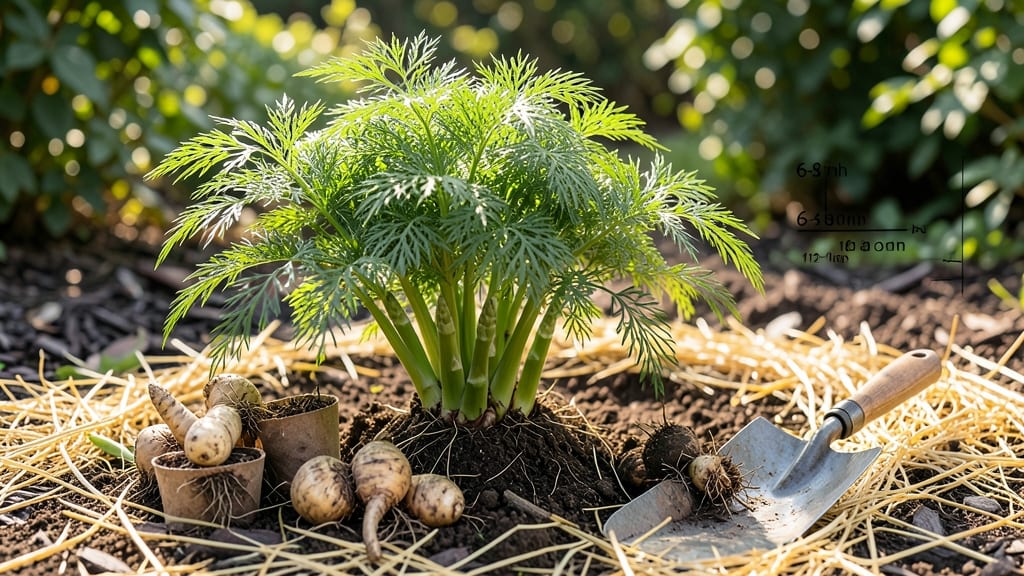
Planting asparagus in Seattle isn’t just about dropping crowns in the dirt—it’s about mastering the Pacific Northwest’s quirky climate to unlock years of harvests. With the right timing, your 🌱 asparagus can thrive in USDA Zone 8a, but get it wrong, and you’ll be waiting forever for those tender spears.
Most gardeners in Seattle swear by early spring planting—think March to early April—when soil temperatures hit that sweet spot of 40-50°F. But here’s the catch: fall planting can also work if you’re patient, though it requires extra care to protect young crowns from late frosts.
The key? Understanding Seattle’s microclimates, from the Puget Sound’s coastal chill to inland areas that warm up faster.
Why does timing matter so much? Because asparagus is a perennial powerhouse—it takes 2-3 years to establish before you even see spears. Plant too early, and frost will stall growth; too late, and your crowns might struggle to root before summer heat sets in.
I’ll walk you through the exact windows, cold-hardy varieties, and soil prep tricks to set your asparagus up for success.
Ready to turn your garden into a spear-producing machine? Let’s dive into the frost-free timelines, variety picks, and pro tips that’ll have you harvesting like a local by year three. Spoiler: patience pays off in bright green, buttery spears—and Seattle’s climate is totally beatable with the right moves.
Seattle’s ideal asparagus planting windows: frost-free timelines by month
Seattle’s mild but unpredictable climate makes asparagus planting timing critical—get it wrong, and your crowns may rot in soggy soil or bolt too early. The ideal window is early spring (March–early April), when soil temperatures hit 40–50°F consistently.
This aligns with Seattle’s last frost date (March 15), but Puget Sound’s microclimates can shift this by 1–2 weeks.
For maximum yield, plant 1-year-old crowns when soil is workable but not frozen. If you miss spring, fall planting (September–October) is possible—just ensure crowns establish roots before first frost (November 15). Late spring (May) is riskier due to bolting from heat stress.
🌱
| Planting Window | Soil Temp | Frost Risk | Seattle Notes |
|---|---|---|---|
| Early Spring (March–Early April) | 40–50°F | Low (post-last frost) | Best window; crowns establish before heat stress. |
| Fall (September–October) | 50–60°F | Moderate (pre-first frost) | Risky if frost hits early; mulch heavily. |
| Late Spring (May) | 60°F+ | None | Possible but high bolting risk; water deeply. |
Seattle’s Puget Sound microclimates can delay frost by 1–2 weeks in sheltered areas (e.g., Ballard or West Seattle), while inland spots like Redmond may frost earlier. Use a soil thermometer to confirm 40°F+ before planting—cold soil stunts root growth.
Pro tip: Pre-soak crowns for 4–6 hours before planting to jumpstart root development. This is especially critical in Seattle’s acidic, clay-heavy soils, which drain poorly. Amend beds with compost and sand to improve drainage.
If you’re planting in containers, stick to early spring—containers warm faster and risk root rot in fall’s damp air. Use well-draining mixes with perlite or vermiculite.
🌿
Remember: Asparagus takes 2–3 years to establish, so patience is key. The first harvest won’t come until year 3, but with the right timing, you’ll enjoy spears for a decade or more. Mark your calendar for March 15—that’s your frost-free deadline for spring planting.
For extended harvests, consider succession planting in late April with Pacific Purple varieties, which handle Seattle’s cooler summers better than traditional green types.
Seattle’s ideal asparagus planting windows: frost-free timelines by month
Seattle’s cool, wet climate demands precise timing for asparagus crowns—plant too early, and frost will damage tender roots. Too late, and your plants won’t establish before summer’s heat. The ideal window is late February to early April, when soil temperatures consistently stay above 40°F.
For Puget Sound’s microclimates, aim for March 1–15 as your sweet spot. Areas near Lake Washington or Mount Rainier’s foothills may experience later frosts, so wait until April 1 to be safe. Always check soil temperature with a probe—50°F+ is your green light.
| Month | Soil Temp Threshold | Planting Window | Notes |
|---|---|---|---|
| February | 40–45°F | Late Feb (south-facing beds) | Risk of frost; use row covers |
| March | 45–50°F | Ideal (March 1–15) | Best balance of warmth and moisture |
| April | 50–55°F | Early April (last resort) | Only if soil is workable; slower establishment |
| Fall Option | N/A | Not recommended | Seattle’s wet winters rot crowns |
If you miss the spring window, don’t panic—you can still plant in late summer (August) for a fall harvest in Year 3. However, this method requires extra mulch to insulate roots through winter. For container growing, plant in late April to avoid overheating roots in raised beds.
Pro tip: Test your soil’s drainage before planting. Asparagus hates soggy roots—Seattle’s clay soil often needs amendments like compost or sand. Aim for 6.5–7.5 pH and dig a 6-inch-deep trench to improve root spread.
Remember, patience is key—asparagus takes 2–3 years to establish. Planting at the right time ensures decades of harvests, not just a one-time crop. Once established, your asparagus bed will self-perpetuate for 15+ years with minimal care.