
Plants
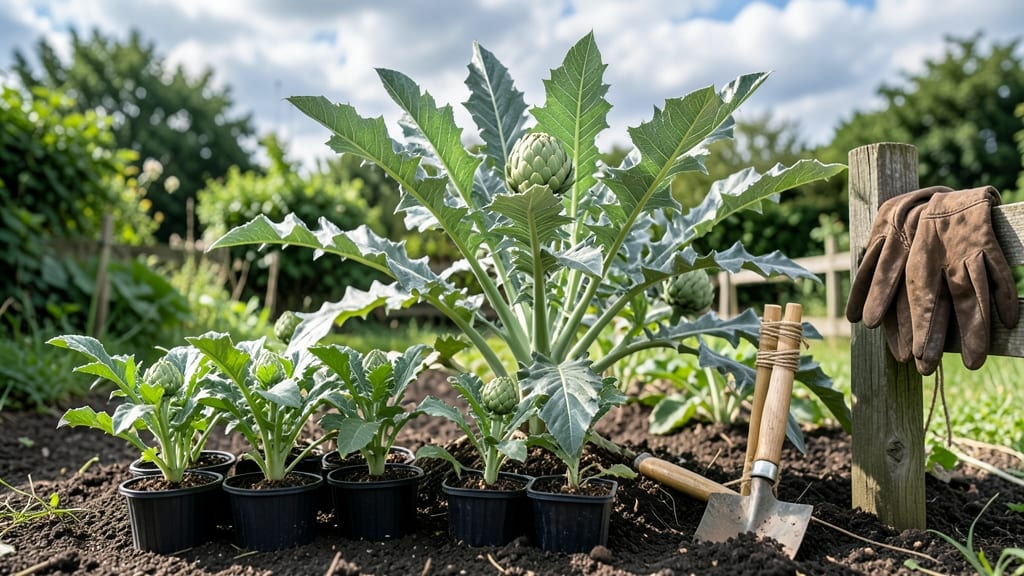
Timing your artichoke planting in Zone 7 could mean the difference between a thriving Mediterranean-style harvest and a disappointing garden experiment. These perennial plants love the mild climate of Zone 7, but getting them in the ground at the right moment is critical for success.
You've got two prime windows to plant your artichokes—early spring (March to April) or late summer (August to September)—each offering its own set of advantages.
Whether you're a first-time gardener or a seasoned grower, understanding these optimal dates will help you avoid common pitfalls like frost damage or stunted growth.
What makes Zone 7 particularly special for artichokes is its ability to support both spring and fall crops. With the right preparation, you can enjoy fresh, homegrown artichokes from late spring through early summer and again in the fall.
Let's dive into the exact planting schedule and care tips that will set you up for a bountiful harvest.
The key to success lies in soil prep, frost awareness, and consistent care during the growing season. I'll walk you through everything you need to know to transform your garden into a productive artichoke patch, no matter which planting window you choose.
Best planting dates for artichokes in Zone 7: month-by-month breakdown
Artichokes are finicky about timing—plant them too early, and frost will strike; too late, and your harvest arrives after the first freeze.
In Zone 7, where last frosts typically hit around April 15 and first frosts arrive by October 15, you’ve got two prime windows: spring and fall. Mastering these dates ensures your Green Globe or Imperial Star plants mature just in time for harvest.
For spring planting, aim to get seeds or transplants into the ground 4-6 weeks before your last frost date. That usually lands in mid-March to early April in most of Zone 7. Soil temperatures should be a steady 60°F+—use a soil thermometer to confirm.
Fall planting requires more precision: start seeds or transplant 8-10 weeks before the first frost, which translates to late July to mid-August.
Why the rush? Artichokes need 90-150 days to reach harvest, and late starts mean buds form too close to winter. In Zone 7’s 180-day frost-free season, timing is everything. Miss the window, and you’ll be left with bitter, woody buds instead of tender, edible ones.
Here’s a quick reference for your planting calendar:
Pro tip: If you’re growing perennial artichokes (like ‘Violetto’), plant in early spring only—they’ll naturalize and return year after year. But annual varieties like ‘Green Globe’ need both spring and fall plantings for a continuous harvest.
Soil prep is just as critical as timing. Artichokes crave well-draining soil with a pH of 6.5-7.5. Work in 2-3 inches of compost or aged manure before planting, and choose a spot with full sun (6-8+ hours daily).
Amend heavy clay soils with sand or peat moss to prevent root rot—a common issue in Zone 7’s humid summers.
Once planted, maintain consistent moisture, especially during bud formation. Let the top 1-2 inches of soil dry between waterings to discourage fungal diseases like botrytis. Mulch with straw to retain moisture and suppress weeds, which compete for nutrients during the plant’s rapid growth phase.
Remember: Zone 7’s transition climate means microclimates vary wildly. Urban gardens may warm up faster than rural areas, while high-altitude pockets (like parts of the Appalachians) can linger in frost longer. Always check your local frost date averages and adjust planting by 1-2 weeks if needed.
With these dates locked in, you’re ready to sow, nurture, and—most importantly—harvest plump, tender artichokes all season long. Just imagine the satisfaction of pulling a perfectly timed bud straight from your garden to the table!
Best planting dates for artichokes in Zone 7: month-by-month breakdown
Zone 7 gardeners enjoy a longer growing season than many regions, but artichokes still demand precise timing. These Mediterranean natives prefer warm soil (at least 60°F) and consistent warmth to thrive. Planting too early risks frost damage, while waiting too late can shorten your harvest window.
For spring planting, aim for 4-6 weeks before your last frost date—typically mid-March to early April in Zone 7. This gives seedlings time to establish roots before summer heat arrives. Fall planting works too, with late August to early September being ideal for a second harvest before winter.
Artichokes are perennial in Zone 7, but they often produce better yields as annuals when replanted yearly. If growing as perennials, plant in spring only—they won’t survive Zone 7 winters if planted in fall.
🌱 Artichoke Planting Timeline for Zone 7
| Season | Planting Window | Soil Temp Requirement | Key Notes |
|---|---|---|---|
| Spring | Mid-March to early April | 60°F+ | Start indoors 8-10 weeks before last frost |
| Fall | Late August to early September | 65°F+ | Harvest before first frost (Oct 15) |
| Transplant | April 15-May 15 | 55°F+ | Hardy to light frost but prefers warmth |
🌡️ Always check your local frost dates—Zone 7 varies by microclimate!
Artichokes need 120-150 days to mature, so time your planting to avoid late-season heat stress. For example, a March 15 planting should yield harvests by mid-July, while a September 1 planting may produce buds by late October before frost.
Pro tip: Use row covers for early spring plantings to protect from late frosts (common in Zone 7’s transition climate). Remove covers once soil warms consistently above 55°F to prevent overheating.
Never plant artichokes in shady spots—they demand full sun (6+ hours daily) to develop those prized tight, edible buds. In Zone 7’s partial-shade areas, opt for container growing near south-facing walls for maximum sunlight exposure.