
Plants
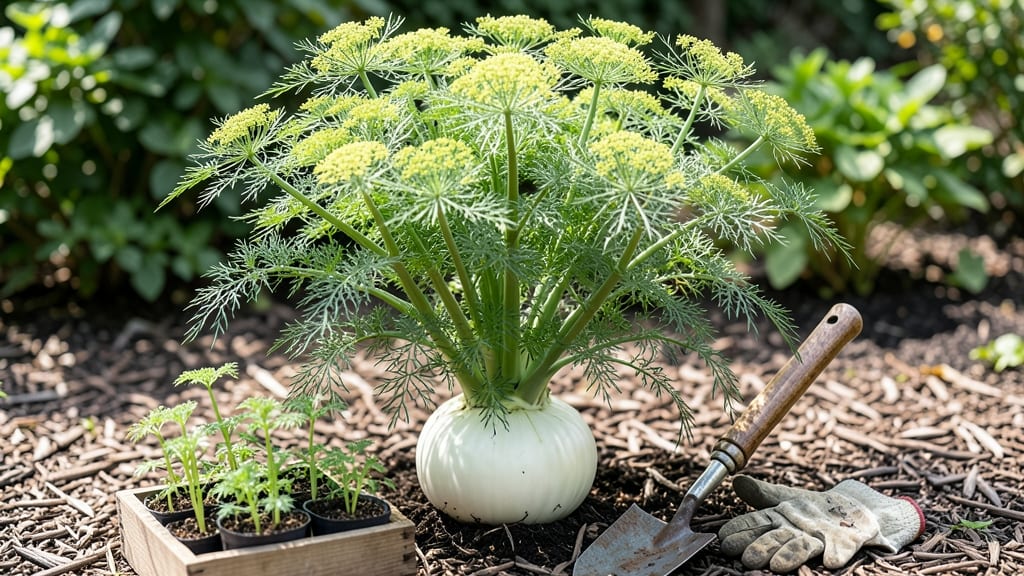
Knowing when to plant fennel in Zone 9 can mean the difference between a thriving 🌿 harvest and bitter disappointment. This fragrant herb demands precision—too early, and frost zaps its tender roots; too late, and Zone 9’s relentless heat sends it bolting before you’ve even tasted its anise-kissed leaves.
For gardeners in 9b, the sweet spot arrives in late winter to early spring, when soil temperatures hover between 50-75°F—just right for fennel’s slow start.
But here’s the catch: coastal microclimates near the ocean can push your window a week or two earlier, while inland areas might need to wait until March’s last frost threat has faded.
What you’re about to discover isn’t just about months—it’s about strategic timing. We’ll break down how to stretch your fennel’s growing season, whether you’re sowing seeds in January’s mild days or playing the heat game with shade cloth and staggered plantings.
Ready to turn your Zone 9 garden into a fennel powerhouse?
From soil prep to harvest signs, I’ll share the exact steps that keep fennel happy—no guesswork, just proven results. Let’s get those seeds in the ground the right way, the first time.
Best planting months for fennel in Zone 9: avoiding heat stress
Fennel loves cool temperatures but struggles when Zone 9’s summer heat kicks in. The ideal planting window is late winter to early spring (January-March), when soil temps hover between 50-75°F. This timing lets fennel establish roots before the 90°F+ heat waves that trigger bolting (premature flowering).
For a second harvest, try fall planting in September-October. Young fennel plants can handle mild autumn temperatures before winter dormancy. Just avoid planting after mid-October, as seedlings won’t survive Zone 9’s cool but not freezing winters.
Coastal Zone 9 gardens have a 2-3 week advantage due to milder microclimates. Inland areas should plant 1-2 weeks earlier to escape summer’s intensity. Always check your last frost date—Zone 9’s is typically January 15—and wait 2 weeks after before sowing.
⚠️ CRITICAL: Fennel bolts (goes to seed) when days exceed 80°F for 3+ weeks. Inland Zone 9 summers often hit 100°F+, so shade cloth (30-50%) is a game-changer for summer plantings.
Here’s how soil temperature affects your timing:
| Planting Window | Soil Temp (°F) | Zone 9 Months | Heat Risk |
|---|---|---|---|
| Primary (Spring) | 50-75°F | January-March | Low (ideal) |
| Secondary (Fall) | 60-70°F | September-October | Moderate (manageable) |
| Summer (Risky) | 75-90°F | May-July | High (bolting risk) |
| Winter (Dormant) | Below 50°F | November-December | N/A (plant dormant) |
To extend your fennel season, try staggered sowings every 2-3 weeks in spring. This ensures a continuous harvest before summer heat sets in. For example, plant January 15, February 1, and March 1 for bulbs ready in April, May, and June respectively.
If you’re growing fennel for seeds (not bulbs), let plants bolt in late summer (August-September) when days shorten. The feather fennel varieties handle heat better for seed production, but bulb fennel will flop and bitterize in prolonged heat.
Pro tip: Test soil temps with a soil thermometer before planting. Fennel seeds won’t germinate below 50°F or above 85°F. Aim for 60-70°F for optimal germination in 7-14 days.
For container growing, use black pots to absorb heat and plant in partial shade during peak summer. Containers dry out faster, so water daily and add 2 inches of mulch to retain moisture.
🌱 Remember: Fennel’s flavor peaks when bulbs are firm and crisp. Planting at the right time ensures you get that sweet anise kick without the bitter heat stress.
Best planting months for fennel in Zone 9: avoiding heat stress
Zone 9’s warm winters and long summers create a tricky balance for growing fennel. Unlike cooler climates, you can’t rely on a single spring planting window—heat stress after 80°F can cause bolting (premature flowering) or bitter flavors.
The key is planting when soil temps stay between 50-75°F and using strategies to extend your growing season.
For most of Zone 9, the ideal planting window is late winter to early spring (January-March). This lets fennel establish roots before summer heat ramps up.
Coastal areas (like San Diego) may have slightly later windows due to milder microclimates, while inland desert regions (Arizona) should plant earlier to avoid extreme summer temps.
Here’s how to compare your options for timing fennel in Zone 9:
| Planting Window | Soil Temp | Heat Risk | Best For |
|---|---|---|---|
| Late Winter (Jan-Feb) | 50-65°F | Low (early season) | Bulb fennel (Florence) |
| Early Spring (Mar-Apr) | 60-75°F | Moderate (transition) | Feather fennel (Bronze) |
| Fall (Sep-Oct) | 65-70°F | Low (cooling temps) | Both types (extended harvest) |
If you miss the spring window, don’t despair—fall planting (September-October) works beautifully in Zone 9. Fennel thrives in cooler weather and can even overwinter in mild microclimates. Just avoid planting after mid-October, as young plants won’t tolerate winter chills below 40°F.
For a continuous harvest, try staggered sowings every 2-3 weeks in early spring. This ensures some plants mature before summer heat peaks. Pair this with shade cloth (30-50%) during the hottest months to protect young seedlings from wilting.
Pro tip: Test your soil’s moisture retention before planting. Zone 9’s dry summers demand well-amended soil—mix in compost and organic matter to help retain water and prevent bolting from stress.