
Plants
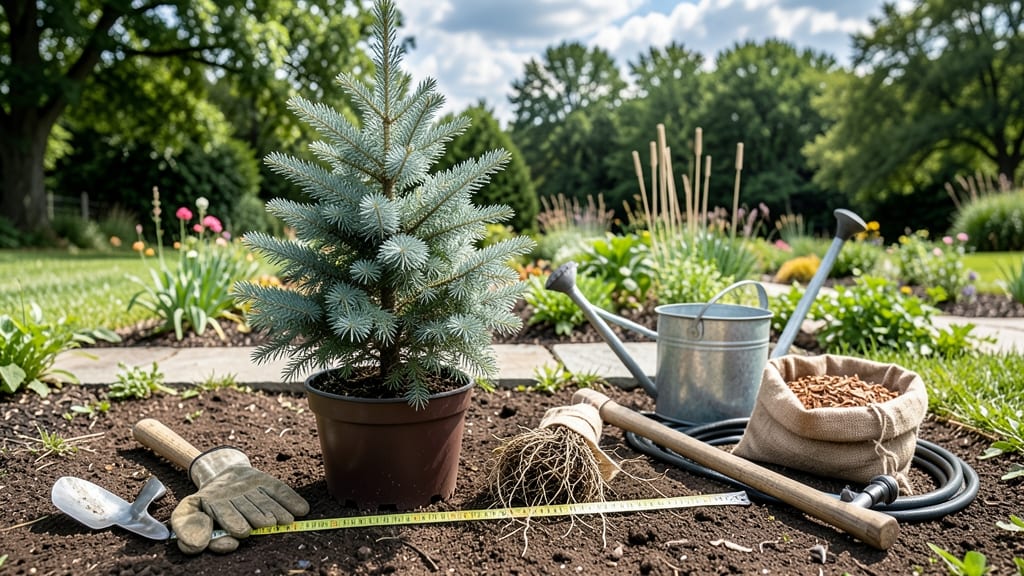
Planting arborvitae in Michigan at the wrong time can mean the difference between a thriving evergreen hedge and one struggling to survive harsh winters. With Michigan's 5b-6b USDA zones, timing your 🌲 planting window is crucial to give roots the best chance to establish before the first frost.
Most gardeners in Michigan swear by early spring or fall planting, but why? Spring gives young arborvitae a full growing season to strengthen before winter, while fall planting lets them take advantage of cooler temperatures and consistent moisture.
Both approaches work, but each has its own advantages depending on your location and soil conditions.
If you're planning to plant this fall, aim for September or early October—just before the ground freezes. For spring planting, wait until after the last frost date, typically around mid-April.
The key is giving your arborvitae enough time to settle in without the stress of extreme cold or heat.
Ready to get started? I'll walk you through the exact steps to prepare your site, choose the right time for your zone, and ensure your arborvitae grows strong and healthy year after year. Let's make sure your evergreen becomes the standout feature of your landscape.
Best months to plant arborvitae in Michigan by hardiness Zone
Michigan's USDA hardiness zones 5b-6b create a unique challenge for arborvitae planting—get the timing wrong, and your evergreen could struggle through winter or fail to establish roots before frost.
The key is planting when soil temperatures stay above 40°F but before extreme heat sets in, giving roots 6-8 weeks to settle before dormancy.
Most Michigan gardeners swear by early spring (March-April) or fall (September-October) planting, but your best window depends on whether you're in southern Michigan (Zone 6b) or northern Michigan (Zone 5b). Southern regions can push planting slightly later in spring, while northern areas must plant earlier to avoid early frosts.
Let's break down the ideal planting windows by zone, including soil temperature targets and frost risk factors that Michigan gardeners must watch.
🌱 Arborvitae Planting Guide by Michigan Hardiness Zone
| Zone | Best Planting Months | Soil Temp Goal | Frost Risk | Key Consideration |
|---|---|---|---|---|
| Zone 5b (Northern MI) | March 15 - April 15 September 15 - October 15 |
40-50°F | High (last frost: late May) | Plant early spring before bud break; fall planting must finish before hard frost |
| Zone 6a (Central MI) | April 1 - May 1 September 1 - October 10 |
45-55°F | Moderate (last frost: early May) | Spring planting benefits from warmer soils; fall planting has longer root establishment window |
| Zone 6b (Southern MI) | April 15 - May 10 September 15 - October 20 |
50-60°F | Low (last frost: mid-April) | Longest planting window; can push late spring planting closer to summer |
💡 Pro Tip: Always check local frost dates—Michigan's climate varies dramatically even between cities just 50 miles apart!
For Zone 5b gardeners in areas like Traverse City or Marquette, I recommend planting arborvitae between March 15 and April 15 to give roots time to establish before the late May frosts that northern Michigan is famous for.
The soil should be workable but not soggy—think of it as planting when you can form a snowball, not when the ground is still frozen.
Southern Michigan gardeners in Zone 6b (Detroit, Kalamazoo) have more flexibility, with April 15 to May 10 being ideal for spring planting. The warmer soils in these areas mean faster root establishment, but don't wait too late—planting after May 15 risks transplant shock from summer heat before roots can anchor.
Fall planting in Michigan offers distinct advantages: cooler air temperatures reduce transplant shock, and consistent rainfall in September-October keeps soil moist for root growth. However, you must finish planting 6-8 weeks before your first frost—typically by October 15 in northern zones and October 20 in southern zones.
One mistake I see Michigan gardeners make is planting bare-root arborvitae in summer. The heat dries out roots before they can establish, and the lack of rainfall means you'd need to water daily—not practical for most homeowners.
If you miss the spring/fall windows, your only option is container-grown plants, which have established root balls and can handle summer planting with proper mulching.
Before you plant, always amend your soil with 2-3 inches of compost to improve drainage—arborvitae hate waterlogged roots. In Michigan's heavy clay soils (common in southern regions), I recommend adding sand or perlite to create a well-draining mix.
For container planting, use a fast-draining potting mix with 50% perlite.
Remember: Arborvitae roots grow best in cool, moist soil. Planting at the right time ensures your evergreen establishes strong roots before Michigan's brutal winters test its resilience. With proper timing and soil prep, your arborvitae will thrive for decades as a privacy screen or landscape focal point.
Best months to plant arborvitae in Michigan by hardiness Zone
Michigan’s USDA zones 5b-6b create distinct planting windows for arborvitae—getting the timing right means the difference between a hardy, fast-growing hedge and a struggling evergreen. The ideal soil temperature for root establishment is 50-65°F, which Michigan typically hits in early spring (March-April) or fall (September-October).
Planting outside these windows risks frost damage or drought stress, especially in northern regions like Traverse City.
Southern Michigan (zones 6a-6b) has a slightly longer growing season, allowing for late April or early May plantings, while northern areas (zones 5a-5b) should aim for mid-April or September to avoid early frost.
Always check your last frost date—Michigan’s ranges from mid-April in Detroit to late May in the Upper Peninsula. Planting too early risks root freeze, while late plantings may not establish before winter.
| Zone | Best Planting Months | Soil Temp | Frost Risk |
|---|---|---|---|
| 5a-5b (Northern MI) | Mid-April or September-October | 50-60°F | High (late frost risk) |
| 6a (Central MI) | Early April or September | 55-65°F | Moderate |
| 6b (Southern MI) | Late March or October | 55-70°F | Low |
For container-grown arborvitae, you can plant slightly later in the season—up to November in southern Michigan—since their roots are less vulnerable to frost. However, bare-root varieties must be planted by mid-October to allow roots to establish before winter.
If you’re unsure, dig a 6-inch-deep soil test hole—if the soil feels cooler than 50°F, wait until spring.
Michigan’s fall planting advantage is cooler air and consistent moisture from rain, which encourages root growth without stressing the plant.
Spring planting, however, gives trees the entire growing season to establish before winter. Pro tip: If planting in late fall (November), use 3-4 inches of mulch to insulate roots and prevent winter desiccation, a common issue in Michigan’s dry winters.
Regardless of season, avoid planting during extreme heat (July-August) or freezing temperatures (January-February). Arborvitae are cold-hardy, but new roots are not. In northern Michigan, where winters are harsher, prioritize fall planting—it gives roots 6-8 weeks to establish before the ground freezes.
For southern Michigan, early spring offers a longer growing window for root development.
Always water deeply after planting—arborvitae need 1-1.5 inches of water per week during establishment. In Michigan’s clay-heavy soils, amend with compost or sand to improve drainage. If you’re planting in windy areas (common near the Great Lakes), stake young trees to prevent root uprooting during storms.