
Plants
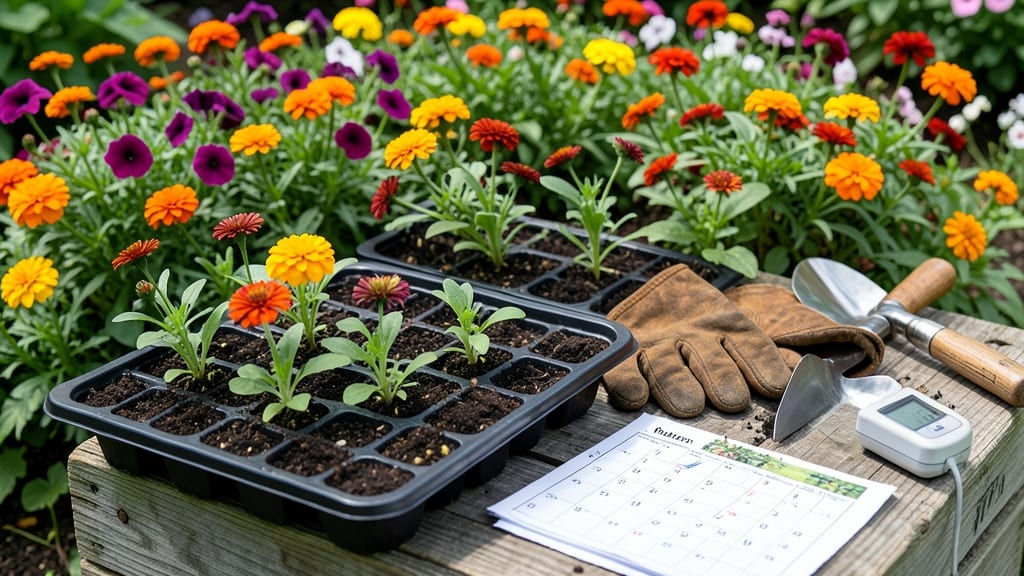
Timing your annuals planting in Zone 6 can make or break your garden's success—one wrong move, and you're staring at sad, frost-nipped blooms or stunted veggies.
The difference between a vibrant garden and a disappointing one often comes down to knowing when to plant, especially when last-frost dates vary from mid-April to early May across the region.
I’ve spent years watching gardens thrive (and sometimes fail) in Zone 6, and the most common mistake isn’t overwatering or poor soil—it’s planting too early or too late.
Whether you’re dreaming of 🌸 marigolds in May or cool-season snapdragons in September, getting the timing right means fewer second-guesses and more blooms. Let’s break down the exact windows, backup strategies, and how to adjust for your specific microclimate.
You don’t need a green thumb to pull this off—just a few key rules. Warm-season annuals like tomatoes and peppers need the soil to warm up first, while cool-season stars like pansies can handle a chill.
I’ll show you how to read the signs, use row covers as a safety net, and even salvage late plantings with simple tricks.
Ready to avoid the most common pitfalls? By the end, you’ll know not just when to plant, but how to give your annuals the best shot at success—no matter where you are in Zone 6. Let’s get growing!
Zone 6 last-frost dates by region: exact timelines for annual planting success
Zone 6 spans a wide area from the Midwest to the Northeast, but last-frost dates can vary by 1-2 weeks between subregions like 6a (colder) and 6b (warmer).
For most of Zone 6, the average last frost falls between April 15 and May 10, but microclimates—like urban heat islands or high-altitude areas—can shift this window.
Warm-season annuals like tomatoes or marigolds need soil temperatures above 50°F (10°C) to thrive, while cool-season varieties like spinach or pansies can handle cooler soil.
To pinpoint your exact last-frost date, check the USDA Plant Hardiness Zone Map and local weather records. For example, Chicago (Zone 6a) typically sees its last frost around April 25, while Raleigh (Zone 6b) averages April 10.
High-altitude areas, like parts of Colorado or the Appalachians, may delay frost-free dates by 10-14 days. Always plant warm-season annuals after your local last-frost date to avoid frost damage.
Cool-season annuals are the exception—they can tolerate light frosts and should be sown 2-3 weeks before your last frost date. These include lettuce, kale, and snapdragons, which often handle 28°F (-2°C) without issues. For a foolproof approach, use a frost calendar from your local Cooperative Extension Service or a garden planning app that factors in historical data.
Here’s how to use this timeline: Warm-season annuals (like peppers or basil) need 60-90 days of warm weather to mature, so plant them 2 weeks after your last frost. Cool-season annuals (like radishes or pansies) can go in 4-6 weeks before the last frost.
For fall planting, aim for 60 days before your first frost (usually October 15-November 1 in Zone 6).
| Zone 6 Subregion | Avg. Last Frost | Warm-Season Planting Window | Cool-Season Planting Window | First Frost |
|---|---|---|---|---|
| Zone 6a (Colder) | April 25 - May 5 | May 15 - June 1 | March 15 - April 10 | October 20 - November 5 |
| Zone 6b (Warmer) | April 10 - April 20 | April 25 - May 10 | March 1 - March 15 | October 15 - October 30 |
| High-Altitude (e.g., Colorado) | May 1 - May 15 | May 20 - June 1 | April 1 - April 15 | October 5 - October 20 |
For urban gardeners, city heat can push last-frost dates 5-7 days earlier than rural areas. Test your soil temperature with a soil thermometer—warm-season annuals need 60°F (15°C) for optimal growth. If your soil is still cold, consider black plastic mulch or seedling heat mats to accelerate warming.
For container gardening, move pots to sunnier spots or use heat-retaining fabric to extend the season.
Pro tip: Plant fast-maturing varieties like bush beans or zinnia if you’re late to the game—they can go from seed to bloom in 30-45 days. Pair them with slow-growing annuals like sunflowers (90+ days) for a balanced garden.
Always keep a frost watch on your phone or set reminders for local alerts to avoid surprises.
If you’re unsure about your exact last-frost date, use the 50/50 rule: Wait until half the days in your frost-free window have passed before planting heat-loving annuals. This reduces the risk of a late frost wiping out your tomato seedlings or pepper plants.
For extra safety, start warm-season annuals indoors 6-8 weeks before your last frost date.
Remember, fall planting is just as
Backup planting strategies for Zone 6: extending the growing season without risking frost
Missed the last-frost date in Zone 6? Don’t stress—there are smart backup strategies to salvage your annuals. Whether you’re dealing with late-spring freezes or early-fall chills, these methods can push your planting window safely.
Start by selecting cold-hardy varieties like pansies or kale, which thrive in cooler temps. For warm-season plants, use row covers or cloches to create microclimates that trap heat.
Another game-changer is succession planting. Instead of planting everything at once, stagger your seeds or seedlings every 2-3 weeks to ensure a continuous harvest. For example, plant bush beans in early May, then again in late June.
This works especially well for fast-growing annuals like radishes or lettuce. If you’re worried about first-frost dates, consider container gardening—pots can be moved to protected areas or even indoors.
For late-season plantings, focus on fast-maturing varieties like cherry tomatoes or bush cucumbers, which can go from seed to harvest in 50-60 days. Pair them with black plastic mulch to warm the soil faster.
If frost threatens, use frost blankets or old bedsheets to shield tender plants. Even indoor seed-starting can help—begin peppers or eggplants indoors in early March to transplant outdoors after the last frost.
- Test soil temperature with a soil thermometer—warm-season annuals need 50°F+ soil to thrive.
- Use cold frames for early-spring starts—they can extend the season by 3-4 weeks.
- Choose dwarf varieties like bush beans or compact marigolds for containers.
- Monitor weather forecasts and have frost cloth ready for emergencies.
- Plant near heat sources like south-facing walls or patio heaters to warm microclimates.
If you’re still unsure, calculate your frost-free days using the USDA Zone 6 average of 165 days. Subtract the days to maturity for your chosen annuals—if the math doesn’t add up, opt for shorter-season varieties or fall plantings.
For example, cosmos and zinnias self-seed easily, so you can plant them in late summer for fall blooms without frost risk.
Don’t overlook mulching—a thick layer of straw or leaves insulates soil and keeps roots warm. For herbs like basil, which bolt in heat, provide afternoon shade with a lightweight shade cloth.
If all else fails, harvest and dry herbs or pick flowers before frost hits. With these strategies, you can extend your Zone 6 growing season by weeks—even months!
Remember: Zone 6’s flexibility comes from adaptation. Whether you’re a beginner gardener or a seasoned pro, these backups ensure your annuals thrive—not just survive. Start small, experiment, and soon you’ll have a year-round garden that beats frost every time. 🌿