Plants
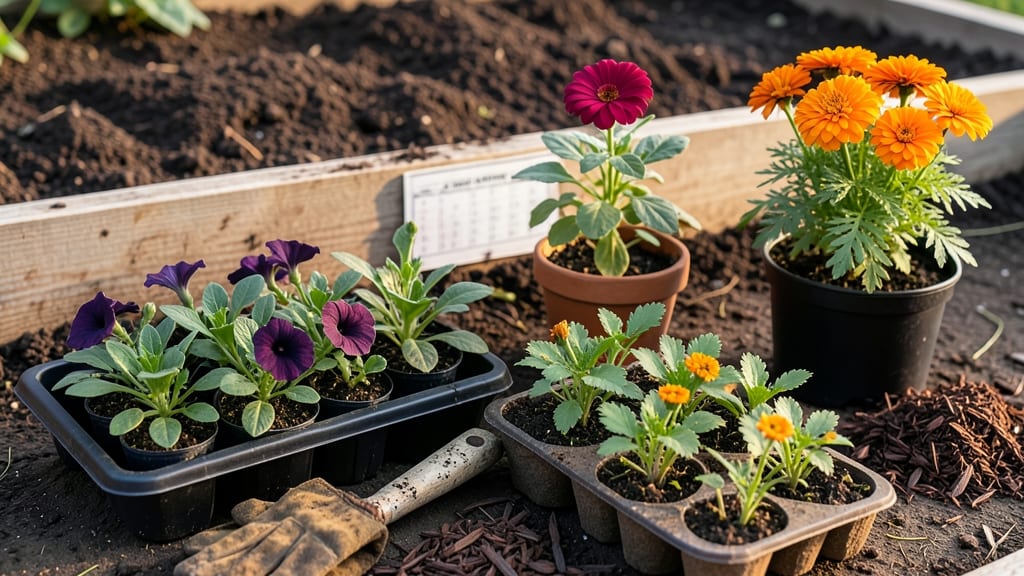
Timing your annuals planting in Connecticut isn’t just about luck—it’s about beating the frost and unlocking a garden bursting with 🌸 color from spring to fall.
With USDA Zone 6a conditions, you’ve got a narrow window between mid-April and mid-June to get those seedlings in the ground before Mother Nature throws a surprise freeze your way.
But here’s the catch: Connecticut’s three distinct microclimates—coastal, inland, and highland—can shift those frost-free dates by weeks. Plant too early in Litchfield County, and you might lose your marigolds to a late frost.
Time it right in New Haven, and your petunias will bloom like they’re on a tropical vacation.
I’ll break down the exact planting deadlines for your specific zone, plus pro tips to extend your growing season. Whether you’re dreaming of sunflowers or crisp lettuce, knowing when to plant means more blooms, bigger harvests, and zero wasted effort.
Let’s dive into the frost-free schedule that’ll turn your CT garden into the envy of the neighborhood—no guesswork required.
Connecticut’s frost-free dates by microclimate: coastal vs inland vs highland
Connecticut’s diverse geography means your last frost dates can vary by 1-2 weeks depending on where you live. The state’s three main microclimates—coastal, inland, and highland—each have distinct planting windows. Understanding these differences helps you avoid frost damage and maximize your garden’s potential.
For example, coastal areas like New Haven and Groton often experience their last frost around April 15-20, while inland cities like Hartford and New Britain typically see frost-free conditions by May 1-5.
Highland regions, such as Litchfield and Torrington, can be even later, with frost lingering until May 10-15.
These variations occur because coastal areas benefit from the Long Island Sound’s moderating influence, while inland and highland areas face colder temperatures and later warming. Always check local frost-free date forecasts, as weather patterns can shift yearly.
Here’s a quick comparison to help you plan:
| Microclimate | Last Frost Date | First Frost Date | Planting Window |
|---|---|---|---|
| Coastal (e.g., New Haven, Groton) | April 15-20 | October 20-25 | Mid-April to mid-June |
| Inland (e.g., Hartford, New Britain) | May 1-5 | October 10-15 | Late April to early June |
| Highland (e.g., Litchfield, Torrington) | May 10-15 | October 5-10 | Early May to early June |
If you’re unsure about your specific microclimate, use the USDA Plant Hardiness Zone Map (Zone 6a for most of CT) and cross-reference with local agricultural extension resources. The University of Connecticut Agricultural Experiment Station provides updated frost data and planting guides tailored to your region.
For warm-season annuals like tomatoes and peppers, wait until the soil temperature reaches at least 50°F—a soil thermometer is your best friend here. Coastal areas can start planting 2 weeks earlier than inland zones, giving you a head start on the growing season.
Don’t forget about fall planting for cool-season annuals like pansies and kale. These can be sown as early as late July in coastal areas and early August inland, allowing them to mature before the first frost. Highland gardeners should aim for mid-August plantings to avoid early cold snaps.
Pro tip: Use row covers or cold frames to extend your planting window by 2-3 weeks in early spring or late fall. This is especially useful in highland regions where frost lingers longer.
Always monitor local weather forecasts and adjust your planting schedule accordingly. A sudden late frost can wipe out tender seedlings, so stay flexible and prepared to protect your garden.
Best annuals to plant in Connecticut: heat tolerance and cold-start varieties
Connecticut’s variable climate demands smart annual choices—some thrive in early spring chill, while others need summer heat. The key is matching your planting window to each variety’s tolerance. For example, pansies and snapdragons can handle light frosts, while zinnias and marigolds wilts under late-season cold snaps.
Start with cold-hardy annuals like lobelia or stock as soon as soil thaws (late March). These early bloomers brighten gardens before summer heat arrives. For late spring/early summer plantings (after May 15), opt for heat-loving varieties such as sunflowers or cosmos, which flourish until first frost.
🌱 CT Annual Planting Guide
- 🌿 Early Spring (March-April): Pansies, Snapdragons, Sweet Alyssum
- ☀️ Late Spring (May-June): Petunias, Marigolds, Zinnias
- 🔥 Summer (July-August): Sunflowers, Cosmos, Vinca
- 🍂 Fall (September): Kale, Radishes, Pansies (second planting)
For vegetable annuals, prioritize fast-maturing varieties like bush beans or radishes (plant by May 1). Heat-sensitive crops (e.g., lettuce) need shade cloth in July. Meanwhile, heat-tolerant tomatoes and peppers should wait until after Memorial Day for optimal yields.
Don’t overlook fall annuals! Plant pansies or calendula in late July for September-October blooms. These cool-season survivors thrive as temps dip, extending your garden’s life until first frost (typically mid-October). Check seed packets for days-to-maturity to avoid late-season disappointments.
Pro tip: Use row covers to protect tender seedlings from late spring frosts (common in inland CT). For highland areas (e.g., Litchfield County), delay heat-lovers by 2 weeks—they need warmer soil to germinate. Always verify USDA Zone 6a guidelines for your specific microclimate.
With these climate-matched annuals, your Connecticut garden will bloom earlier, longer, and more reliably. Start with 3-4 varieties per season to test what thrives in your yard—then expand next year! 🌻