
Plants
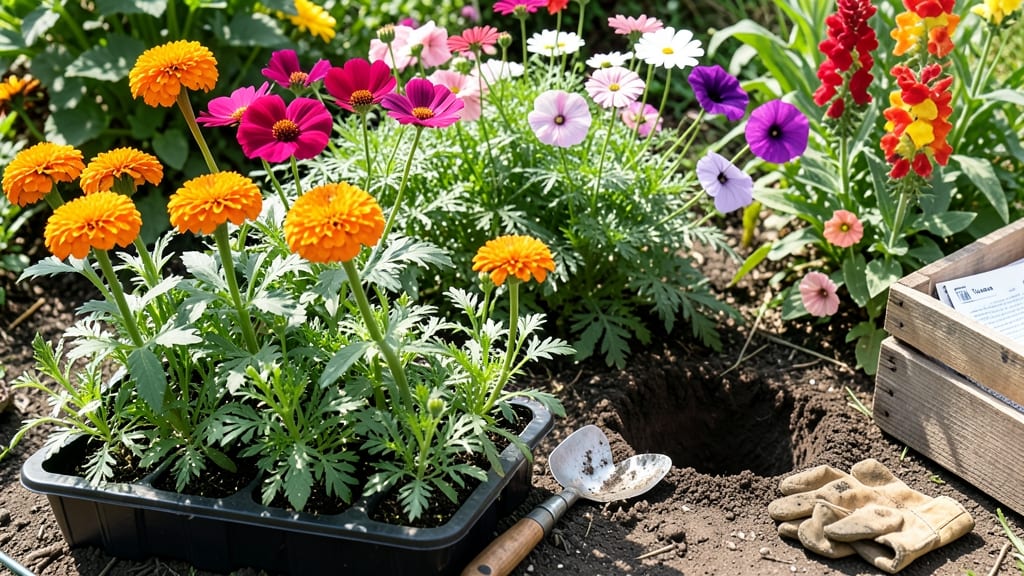
Timing your annuals planting in Missouri can mean the difference between a garden bursting with 🌸 color and one that struggles to take root. Missouri’s 5b-6b climate zones bring unique challenges—unpredictable frost dates, shifting soil temperatures, and regional microclimates that demand precision.
If you’ve ever watched your hard work wither because you planted too early or too late, you know how frustrating it can be.
The key isn’t just following a generic calendar—it’s understanding how Missouri’s last frost (usually around April 15) and first frost (about October 15) shape your planting windows.
In this guide, I’ll break down the exact months to plant annuals in Missouri, from cool-season favorites like pansies to heat-loving zinnias. You’ll also discover how to adjust for your specific zone, avoid common mistakes, and extend your blooms well into fall.
Ready to transform your garden into a year-round showstopper? Let’s get started with the strategies that work for Missouri gardeners—no guesswork required.
Missouri frost dates by Zone: exact planting windows for annual flowers
Missouri’s USDA Hardiness Zones 5b-6b create distinct planting windows for annuals, where a single week can mean the difference between thriving blooms and frost-killed seedlings.
The average last frost date ranges from April 1-15 in northern Missouri to April 15-30 in southern regions, while first frosts arrive between October 1-15. Understanding these zones helps you pick the right heat-tolerant annuals for your area.
For example, St. Louis (Zone 6a) has a 190-day growing season, while Kansas City (Zone 5b) enjoys just 175 days. This means gardeners in northern Missouri must choose fast-maturing annuals like zinnias or marigolds, while southern Missourians can experiment with longer-season varieties like sunflowers or cosmos.
Here’s the key: Plant cool-season annuals like pansies or sweet peas 4-6 weeks before your last frost date, while warm-season favorites (tomatoes, peppers, petunias) need to wait until after the soil reaches 60°F and all frost risk has passed.
Use these frost-free days as your guide to extend your growing season.
Missouri Frost Dates & Planting Windows by Zone
| Zone | Last Frost Date | First Frost Date | Frost-Free Days | Best Planting Window | Heat-Tolerant Annuals |
|---|---|---|---|---|---|
| 5b (North MO) | April 1-15 | October 1-15 | 175-190 | May 1-15 (after frost) | Zinnias, Marigolds, Petunias |
| 6a (Central MO) | April 15-30 | October 15-30 | 190-205 | April 20-May 10 | Sunflowers, Cosmos, Snapdragons |
| 6b (South MO) | April 30-May 15 | November 1-15 | 205-220 | April 1-May 15 | Tall Flowers, Dahlias, Vinca |
Note: Check Missouri Botanical Garden’s frost map for your exact location.
Pro tip: Use row covers or cold frames to push your spring planting window earlier in cooler zones, or start warm-season annuals indoors 6-8 weeks before the last frost. This strategy gives you a 2-3 week head start on neighbors who wait for the perfect outdoor conditions.
For fall planting, aim to sow seeds or transplant annuals 8-10 weeks before your first frost. This timing ensures blooms before winter sets in. In southern Missouri, you can even plant winter annuals like calendulas as late as September 15 for color through December.
Missouri’s microclimates also play a role—gardens near large bodies of water (like Lake of the Ozarks) may have 5-7°F warmer nights, allowing you to plant 2 weeks earlier than inland areas. Pay attention to these local variations when planning your annual flower beds.
Don’t forget: Soil temperature matters just as much as air temperature. Use a soil thermometer to confirm your garden bed is at least 60°F before planting warm-season annuals. Cold soil can stunt root growth, even if the air feels warm.
Finally, keep a gardening journal to track your local frost dates over 3-5 years. Missouri’s climate shifts yearly—what was a safe planting date one year might be too early the next due to unpredictable spring rains or late frosts.
Best annual flowers to plant by month in Missouri (with heat/cold tolerance guide)
Missouri’s variable climate means your annual planting schedule should shift with the seasons. While most gardeners focus on spring, fall offers a second chance for stunning blooms—especially with heat-tolerant varieties that thrive in Missouri’s summer heat.
Let’s break down the best annuals to plant each month, including their cold tolerance and heat resistance.
For spring planting (March-May), focus on cool-season annuals like pansies and snapdragons that can handle Missouri’s late frosts. Wait until after the average last frost date (April 15) for heat-lovers like zinnias and marigolds.
In fall (August-October), prioritize fast-growing annuals like cosmos and sunflowers to bloom before the first frost.
🌱 Pro Tip: Use row covers for early spring plantings to protect tender seedlings from unpredictable Missouri frosts. For summer, choose drought-tolerant varieties like lantana or portulaca to survive Missouri’s humid heat without wilting.
🌸 Monthly Planting Guide for Missouri Annuals
- March: Start pansies and snapdragons indoors (hardy to 20°F); transplant calendulas (tolerates 25°F) after last frost.
- April: Plant petunias and geraniums after April 15 (average last frost); add marigolds for pest control.
- May: Introduce zinnias and sunflowers (need 60°F+ soil); avoid overcrowding in clay-heavy Missouri soil.
- June: Sow cosmos and bachelor’s buttons for late summer blooms; mulch to retain moisture.
- July: Plant fall-blooming annuals like nasturtiums (tolerates 30°F); avoid transplant shock in heat.
- August: Direct-sow sunflowers and cleome for fall color; space 12-18 inches apart.
- September: Add pansies and stock for winter interest; protect from early frosts with row covers.
Missouri’s USDA Zones 5b-6b mean some annuals thrive year-round if planted at the right time. For example, marigolds can handle 80°F+ days while pansies bounce back from 25°F temps. Always check your local frost dates—St. Louis and Kansas City can vary by 2-3 weeks.
Extend your season with container gardening: Move pots to shaded spots during heatwaves or bring them indoors overnight if frost threatens. Succulents like portulaca are perfect for containers—they thrive in poor soil and drought conditions, common in Missouri’s summer.
Remember: Soil temperature matters! Use a soil thermometer to confirm 60°F+ before planting heat-lovers like tomatoes or peppers (also annuals). In Missouri’s clay soils, amend with compost to improve drainage and avoid root rot.