
Planting
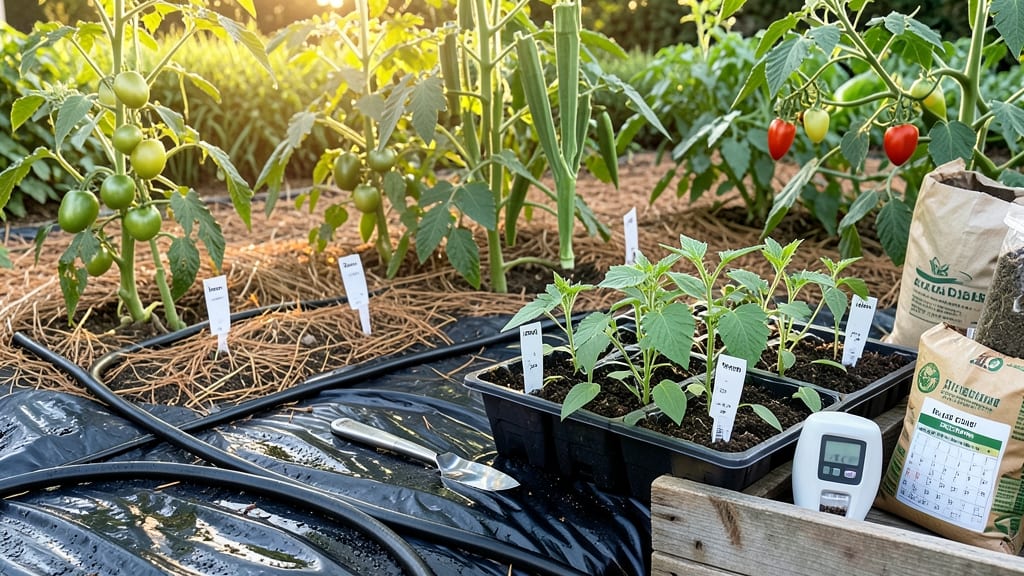
South Carolina planting zones: coastal vs Piedmont timing for vegetables and flowers
South Carolina’s USDA hardiness zones 7a-8b create distinct planting windows between the coastal plains (warmer, humid) and Piedmont region (cooler, drier). These differences mean your tomatoes might thrive in Charleston while broccoli bolts prematurely in Greenville if planted at the wrong time.
Understanding these microclimate variations is key to avoiding common pitfalls like late-spring frosts or summer heat stress.
For coastal SC (Zones 7b-8a), last spring frost typically occurs March 1-15, while Piedmont (Zones 7a-7b) often sees frost until March 15-30. First fall frost arrives November 15-30 coastally but can hit October 30-November 15 in the Piedmont.
These 10-20 day differences directly impact when you should sow seeds or transplant seedlings.
Warm-season crops like tomatoes, peppers, and squash need soil temperatures above 60°F to germinate. In coastal areas, this usually means planting April 1-May 15, while Piedmont gardeners should wait until April 15-May 1.
Cool-season crops like kale, spinach, and carrots can handle cooler soils, so they go in February-March coastally but March-April in the Piedmont.
| Region | USDA Zone | Last Spring Frost | First Fall Frost | Warm-Season Planting | Cool-Season Planting |
|---|---|---|---|---|---|
| Coastal (Charleston) | 7b-8a | March 1-15 | November 15-30 | April 1-May 15 | February-March |
| Piedmont (Greenville) | 7a-7b | March 15-30 | October 30-November 15 | April 15-May 1 | March-April |
| Upstate (Spartanburg) | 7a | March 20-April 5 | October 20-November 5 | April 20-May 10 | March 15-April 15 |
🌱 Note: Adjust dates 1-2 weeks earlier for urban areas (heat islands) or later for rural high elevations.
One critical mistake many SC gardeners make is planting warm-season crops too early. Even if daytime temperatures feel warm, soil temperature often lags behind. Use a soil thermometer to confirm 60°F+ for tomatoes or 70°F+ for peppers before planting.
For coastal gardeners, this usually means waiting until mid-April, while Piedmont gardeners may need to delay until late April.
For fall planting, aim to harvest before first frost. Coastal areas can extend seasons until late November for hardy crops like kale or collards, while Piedmont gardeners should finish by mid-November. Succession planting every 2-3 weeks after your ideal window ensures a continuous harvest.
For example, plant bush beans in April, June, and July for three harvest waves.
Don’t overlook microclimates within your area. A south-facing slope warms up 2-3 weeks earlier than a north-facing yard, while urban heat islands can push planting dates 1-2 weeks earlier than rural areas.
Use row covers or cold frames to extend seasons by 3-4 weeks in both regions, especially for leafy greens and root vegetables.
Pro tip: Bookmark the SC Extension Service’s frost maps (updated annually
How to adjust your planting schedule for south Carolina’s unpredictable weather patterns
South Carolina’s weather can throw curveballs—one week brings unexpected late frosts, and the next delivers scorching heat waves. These shifts can turn your carefully planned garden into a gamble. The key? Flexible planting strategies that account for coastal humidity, Piedmont heat, and those pesky last-minute frost risks.
I’ve learned to adapt by monitoring soil temperatures, using row covers, and planting in stages to hedge my bets.
Start by checking soil temperatures with a simple thermometer—most warm-season crops like tomatoes and peppers need soil at 60°F or warmer.
In the coastal plains (USDA Zone 8a), this might mean waiting until mid-April, while Piedmont gardeners (Zone 7b) can plant 2-3 weeks earlier if the ground warms sooner. Cold snaps in March are common, so I always have row covers ready to protect seedlings.
Here’s my go-to