
Planting
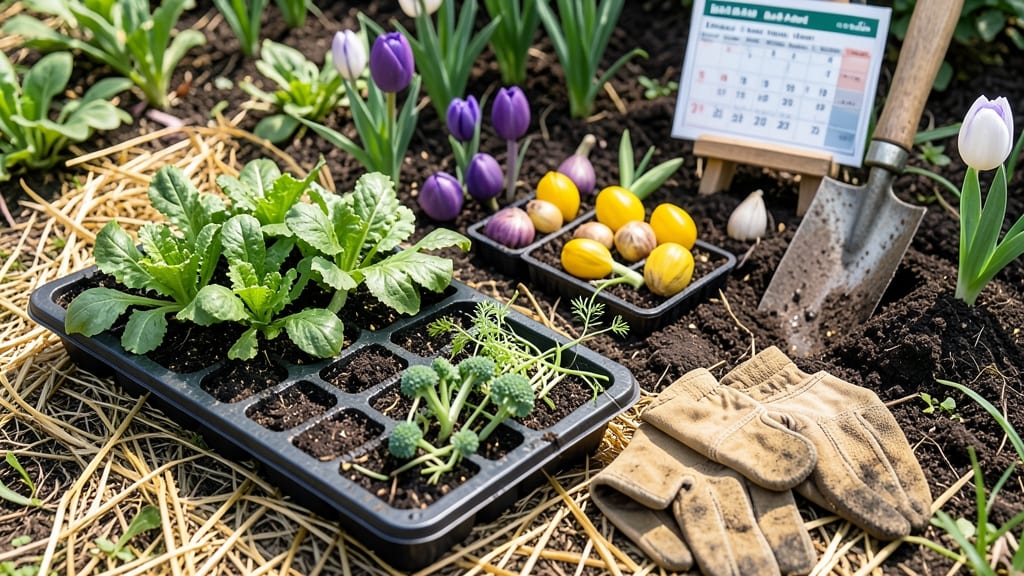
Figuring out when to plant a garden in Pennsylvania can feel like solving a puzzle—especially when frost dates shift from county to county. One week, your neighbor’s tomatoes are thriving, while your seedlings still look like sad little sprouts.
The trick? Knowing your local frost window and adjusting for Pennsylvania’s 5a-7a zones, where a late April frost in the Poconos might mean summer’s just around the corner in Philadelphia.
Most gardeners in Pennsylvania wait until after the last frost—typically mid-April in the south and early June in the north—to plant warm-season 🌱 General Garden Vegetables & Plants.
But cool-season crops like peas and lettuce can go in as early as March, if you’re brave enough to risk a surprise freeze. The key is balancing patience with opportunity, because planting too early risks frost damage, while waiting too long might shrink your harvest.
In this guide, I’ll break down the exact planting windows for your county, plus pro tips for urban gardens, microclimates, and succession planting. Whether you’re a first-time gardener or a seasoned green thumb, timing is everything—and Pennsylvania’s climate demands precision. Let’s get your garden off to the right start.
Ready to avoid the common mistakes? You’ll learn how to use frost calendars, adjust for soil type, and even extend your growing season with row covers. No more guessing—just a thriving garden from seed to harvest.
Pennsylvania frost dates by county: key planting windows for vegetables and flowers
Pennsylvania’s last spring frost and first fall frost dates vary dramatically across its 67 counties, creating a gardener’s puzzle.
The Keystone State spans USDA zones 5a to 7a, meaning southern counties like Berks and Chester enjoy 100+ frost-free days, while northern Erie and Cameron counties struggle with just 90-120 days. These variations dictate whether your tomatoes thrive or your peppers perish.
Understanding these dates is critical because planting cool-season crops like lettuce or spinach too late risks bolting, while warm-season crops like eggplants or okra won’t survive if planted before the soil warms.
Even within a single county, microclimates—like urban heat islands or mountain valleys—can shift frost dates by 1-2 weeks. Let’s break down the essential frost windows by region to help you plan your garden like a pro.
Southern PA (Zones 6b-7a): Counties like Philadelphia, Delaware, and Lancaster typically see their last frost by April 15, with first frost arriving October 15-30. This gives you a 180-200 day growing season, perfect for two full harvests—one in spring and one in fall. Southern gardeners can even squeeze in late-season plantings of radishes or kale in early September.
Central PA (Zones 5b-6a): Areas like Harrisburg, York, and Lebanon average last frosts around April 22 and first frosts by October 5, yielding 160-180 frost-free days. Here, succession planting is key—start cool crops in early spring, then transition to warm crops by late May. Corn and beans planted after Memorial Day often mature before frost.
Northern PA (Zones 5a-5b): Regions like Pittsburgh, Erie, and the Poconos face later last frosts (May 1-15) and earlier first frosts (September 20-October 1), limiting the season to 120-150 days. Gardeners here rely on cold-hardy varieties like Swiss chard or kohlrabi and use row covers to extend harvests into October.
🌱 Pennsylvania Frost Dates & Planting Guide by Region
| Region | Last Spring Frost | First Fall Frost | Frost-Free Days | Best for Cool Crops | Best for Warm Crops |
|---|---|---|---|---|---|
| Southern PA | April 15 | Oct 15-30 | 180-200 | Lettuce, Spinach, Peas | Tomatoes, Peppers, Okra |
| Central PA | April 22 | Oct 5 | 160-180 | Broccoli, Cabbage, Radishes | Corn, Beans, Cucumbers |
| Northern PA | May 1-15 | Sep 20-Oct 1 | 120-150 | Swiss Chard, Kale, Potatoes | Bush Beans, Zucchini, Peas |
| Mountain Regions (Poconos, Alleghenies) | May 10-20 | Sep 10-20 | 90-120 | Cold-Hardy Herbs, Garlic, Onions | Early Maturing Varieties (e.g., 'Early Girl' Tomatoes) |
📌 Pro Tip: Use row covers to extend seasons by 2-4 weeks in all regions.
For urban gardeners in cities like Philadelphia or Pittsburgh,
Best planting schedule for Pennsylvania gardens: month-by-month calendar
Timing your garden in Pennsylvania isn’t just about seasons—it’s about microclimates and plant hardiness. My month-by-month guide breaks down when to start seeds indoors, transplant seedlings, and sow directly outdoors for maximum success.
For example, cool-season crops like spinach thrive in early spring, while warm-season favorites like tomatoes need to wait until after the last frost.
Start your indoor seed starting in February or March for cool-season vegetables (lettuce, peas, kale). These plants can handle light frosts and even grow faster in cooler weather. Use grow lights if your home lacks sufficient sunlight, as seedlings need 12-16 hours of light daily to avoid legginess.
I always mark my calendar with last frost dates (typically mid-April in the south to late May in the north) to plan my transplant schedule.
📅 Month-by-Month Planting Timeline
- February-March: Start cool-season seeds indoors (lettuce, spinach, broccoli).
- Mid-April: Transplant hardy seedlings (peas, onions, cabbage) after soil warms.
- May: Direct sow warm-season crops (beans, corn) after last frost.
- June: Transplant tomatoes, peppers, and eggplants into warm soil.
- July-August: Plant fall crops (kale, carrots, radishes) for harvest before frost.
In April, focus on hardening off seedlings and preparing your beds. Harden off your indoor-started plants by gradually exposing them to outdoor conditions over 7-10 days. This process mimics natural conditions and prevents shock when you transplant them.
I always test my soil temperature—it should be at least 50°F (10°C) for most vegetables. For cool-season crops, sow directly outdoors in early April, while warm-season crops like cucumbers and squash should wait until soil temperatures reach 60°F (15°C).
May is the golden month for direct sowing warm-season vegetables. Plant corn, beans, and squash as soon as the ground is workable, and transplant tomatoes and peppers after the last frost.
I use row covers for early plantings to protect against late frosts, which can still occur in USDA Zone 5 areas like the Poconos. Mulch heavily to retain moisture and suppress weeds—May’s warmth can dry out soil quickly.
Don’t overlook fall planting in Pennsylvania! Starting in July, sow cool-season crops like kale, carrots, and radishes for a late harvest. These plants mature quickly and can handle cooler temperatures.
I always aim to plant 4-6 weeks before the first frost (typically mid-October in the south to early October in the north). For perennials and shrubs, fall is the best time to plant—they establish roots before winter dormancy.
Extend your growing season with seasonal adjustments. Use row covers to protect early spring plantings, and consider cold frames for delicate crops like lettuce in late fall. I’ve even used black plastic mulch to warm soil faster in early spring, giving my tomatoes a head start.
Remember, Pennsylvania’s frost-free days vary by region—plan accordingly to avoid losing your harvest to an early freeze.