
Plants
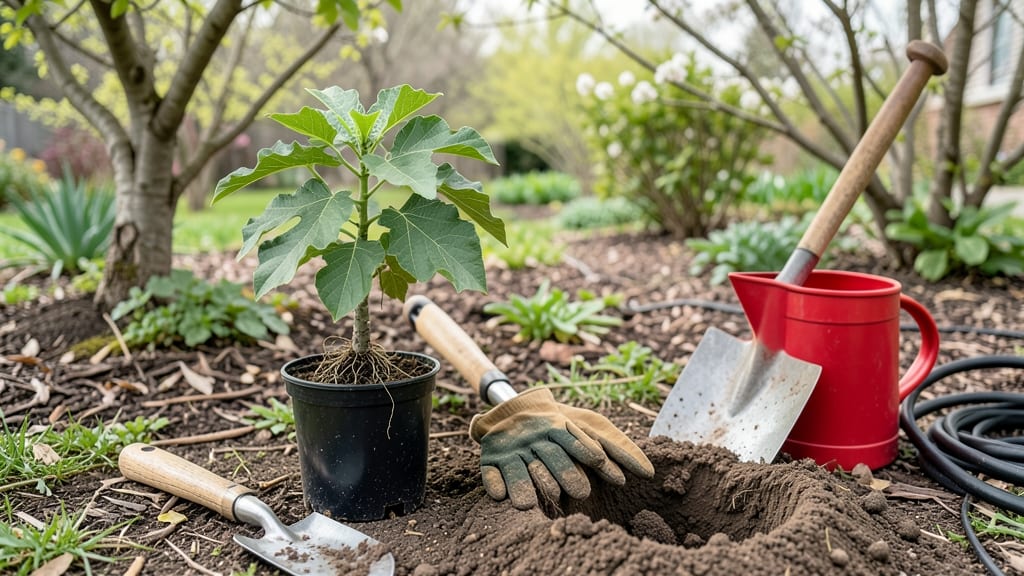
Timing your fig tree planting in New York isn’t just about the calendar—it’s about beating frost and giving your 🍈 a fighting chance to thrive. Plant too early, and those chilly nights could stunt its growth or worse, kill it before winter.
But get the window right, and you’ll set your tree up for a bountiful harvest from August through October.
Most New York gardeners in USDA Zone 6a should wait until late April to early May, after the last frost date (typically around April 15). This gives your fig tree’s delicate roots time to establish before summer’s heat kicks in.
But here’s the catch: if you’re in a cooler microclimate or planning to grow your fig in a container, you’ll need to adjust your timeline—and I’ll show you exactly how.
Why does this matter? Because a fig tree planted at the wrong time might struggle to mature, leaving you with fewer fruits or a tree that’s more vulnerable to winter damage. The good news?
With the right timing and a few smart strategies, you can enjoy a thriving fig tree even in New York’s unpredictable climate. Let’s break down the exact steps to plant yours for success.
From choosing the right variety to protecting your tree from late frosts, I’ll cover everything you need to know to make your fig tree not just survive, but prosper. Ready to get started? Let’s dig in.
NY fig tree planting deadlines: frost-free Zone breakdown by region
New York’s diverse climate means last frost dates can vary by 10–14 days between NYC and Upstate. Fig trees (Ficus carica) are frost-sensitive, so timing is critical.
In USDA Zones 6–7, you’ll need to adjust planting based on your microclimate—whether you’re in Zone 6a (Upstate) or Zone 7b (Long Island).
For in-ground planting, wait until after May 15 in most of NY to avoid late spring frosts. In containers, you can plant 2–4 weeks earlier and move them indoors in fall. The key is ensuring your fig tree establishes roots before fall’s first frost (typically mid-October).
NYC and Long Island (Zones 7a–7b) have the longest growing seasons, with 180–200 frost-free days. Plant late April to early May for optimal growth. Upstate (Zones 6a–6b) has 150–170 frost-free days, so delay planting until mid-to-late May.
Here’s how regional frost dates impact your planting timeline:
| Region | USDA Zone | Last Frost Date | Best Planting Window | First Frost Risk |
|---|---|---|---|---|
| NYC & Long Island | 7a–7b | April 20–May 5 | Late April–early May | Mid-October |
| Hudson Valley | 6b–7a | May 1–May 15 | Mid-May | Late September–early October |
| Upstate (Albany, Syracuse) | 6a | May 15–May 30 | Late May–early June | Early–mid October |
| Western NY (Buffalo) | 6a–6b | May 10–May 25 | Late May | Mid–late October |
If you’re in Zone 6a, consider container planting for flexibility. Move pots indoors or to a garage before fall frosts. For in-ground trees, focus on cold-hardy varieties like Chicago Hardy or Brown Turkey, which tolerate brief 20°F dips.
Pro tip: Use mulch (6–8 inches of straw or wood chips) to insulate roots and extend the growing season by 2–3 weeks. This is especially critical in Upstate NY, where winters are harsher.
Always monitor local weather forecasts in April–May. Late frosts can still hit after May 15, so have a row cover ready to protect young trees. Container growers can also use heating mats to jumpstart root growth in cooler springs.
For maximum fruit production, aim to plant by June 1 in most of NY. Trees planted after this may not mature enough to bear fruit until year 3 or 4. Patience pays off—figs thrive when given time to establish!
🌱
NY fig tree planting deadlines: frost-free Zone breakdown by region
New York’s diverse climate means fig tree planting deadlines vary wildly—from Zone 6 Upstate to Zone 7 NYC. Timing isn’t just about frost dates; it’s about heat accumulation too.
Figs need 120+ frost-free days to ripen fruit, so planting too early in cold zones risks winter kill, while late planting may mean no harvest.
Use these region-specific windows to align with your local last frost date. For example, Long Island averages April 20 for final frost, while Upstate NY can linger until May 10. Container-grown figs offer flexibility, but even they need 60+ days of warm weather before exposure to cold.
🌱Key Rule: Wait until soil temps hit 60°F+ (test with a thermometer) and nighttime lows stay above 50°F. Cold soil stunts root growth, setting your tree up for failure.
For container planting, you can push deadlines slightly later since pots warm faster. But avoid planting after June 15—you’ll miss the 120-day growing window needed for fruit ripening. In Zone 6, opt for Chicago Hardy or Celeste varieties; they tolerate 15°F brief dips better than Mediterranean types.
🌡️Pro Tip: Track your local growing degree days (GDD) using tools like the Cornell Garden Weather Network. Figs need 2,500+ GDDs to fruit—plant when your area hits 1,500 GDDs to ensure maturity.
If you’re in Zone 5 (e.g., Adirondacks), stick to container culture or greenhouse growing. Even cold-hardy varieties struggle below 10°F, and NY’s late spring frosts (like the 2020 April freeze) can devastate newly planted trees.