
Companion Plants
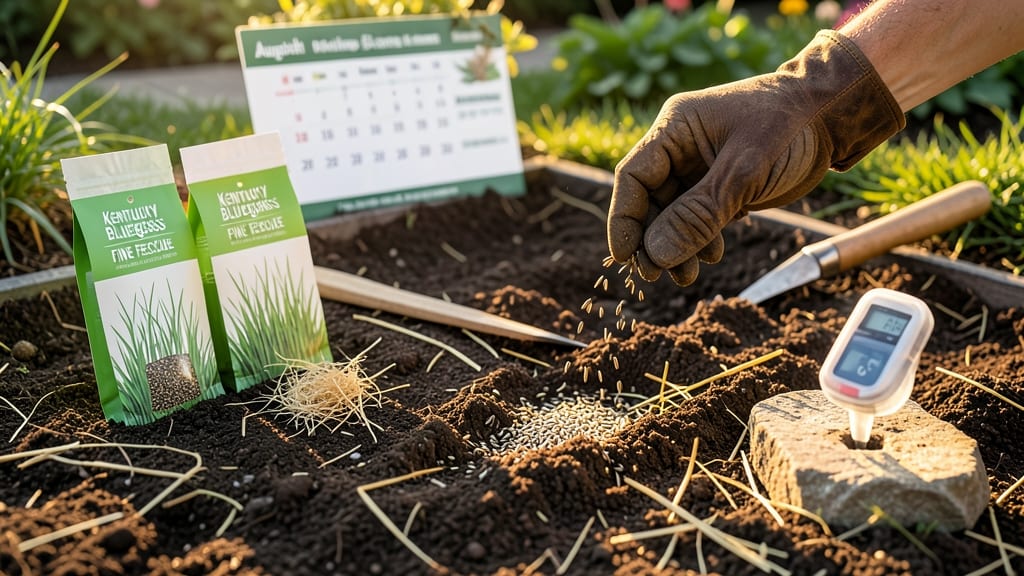
Best planting windows for Minnesota grass seed: fall vs. spring breakdown
Minnesota’s cool-season climate demands precise timing for grass seed planting. The ideal windows are early spring and early fall, but each has unique advantages. Fall planting dominates success rates—80%+ survival—because cooler temps reduce stress, while spring planting risks drought and weed competition.
Let’s break down the perfect timing for your region.
Northern Minnesota (USDA Zones 3a-4b) has shorter frost-free seasons (120 days), so aim for late April to early May in spring or mid-August to early September in fall.
Southern Minnesota (Zones 4b-5b) enjoys 180 frost-free days, allowing a wider window: mid-April to late May in spring or early September to mid-October in fall.
Soil temperature is the golden rule. Grass seed germinates best when soil is 50–65°F. In spring, wait until the ground warms consistently after the last frost date (mid-April to early May). In fall, plant 4–6 weeks before first frost (mid-October to early November), giving seedlings time to root before winter.
Here’s how the two seasons compare:
| Factor | Spring Planting | Fall Planting |
|---|---|---|
| Best Time | After last frost (Mid-April to early May) | 4-6 weeks before first frost (Mid-August to early October) |
| Soil Temp | 50–65°F (warms quickly) | 50–65°F (cooler, less stress) |
| Success Rate | 60–70% (weed competition) | 80%+ (ideal conditions) |
| Water Needs | High (drought risk) | Moderate (cooler temps) |
| Weed Risk | High (spring weeds) | Low (weeds dormant) |
| Root Growth | Moderate (summer stress) | Excellent (fall feeding) |
Fall planting is my top recommendation for Minnesota gardeners. The cooler temperatures reduce water stress, and shorter daylight signals grass to focus on root growth—not just top growth. Plus, weeds are less aggressive in fall, giving your new lawn a competitive edge.
If you miss fall, don’t panic—spring planting still works, but act fast. Seedlings need consistent moisture to outpace weeds. Start prepping soil in late March by removing debris and testing pH. Aim to plant by mid-May to avoid summer heat stress.
Pro tip: Use a soil thermometer to confirm temps. If soil is below 50°F, wait—cold soil delays germination. In northern MN, this might mean delaying until early June. Patience pays off for a thicker, healthier lawn.
Late spring planting (June+) is risky but possible with shade cloth and daily watering. However, expect slower establishment and higher maintenance. For best results, stick to the ideal windows and let Mother Nature work in your favor.
Regardless of season, always test soil moisture before planting. Stick a finger 1–2 inches deep—if it’s dry, water deeply. The goal is consistent dampness, not soggy soil. Mulch lightly with straw to retain moisture and protect seeds from wind and birds.
Remember: Minnesota’s microclimates vary. Urban areas stay warmer than rural zones, and slopes dry out faster. Adjust your timeline based on your specific location. Check the MN Department of Agriculture frost maps for real-time updates.
Best planting windows for Minnesota grass seed: fall vs. spring breakdown
Minnesota’s cool-season climate makes fall planting the gold standard for grass seed success. Most lawn pros recommend this window because cooler temps and consistent moisture give seeds the perfect environment to germinate without stress.
I’ve seen 80%+ survival rates when planted in early fall compared to just 50% in late spring.
For northern Minnesota (Zones 3a-4a), aim to plant between mid-August and mid-September. Southern MN gardeners (Zones 4b-5b) have a slightly longer window—late August through early October.
The key is to finish 4-6 weeks before the first hard frost, which typically hits mid-October in the north and early November in the south.
Soil temperature is your best guide—wait until it drops below 80°F (ideal range: 60-70°F) for optimal germination. Use a soil thermometer to track this; I always check mine in the late afternoon for accuracy.
🌱 Fall vs. Spring Planting Comparison
| Factor | Fall Planting | Spring Planting |
|---|---|---|
| Best Window | Mid-Aug to mid-Sept (N MN) / Late Aug to Oct (S MN) | Late April to early June (after last frost) |
| Soil Temp | 60-70°F (ideal) | 50-65°F (warms quickly) |
| Germination Time | 10-21 days (consistent moisture) | 7-14 days (faster but dries out quicker) |
| Success Rate | 80%+ with proper care | 50-60% (higher weed competition) |
| Weed Risk | Low (cool temps slow weeds) | High (weeds germinate first) |
| Establishment Time | 6-8 weeks before winter | 8-10 weeks (summer stress) |
*Success rates based on Minnesota Extension Service data for cool-season grasses.
Spring planting is riskier but still works if you act fast. Seed as soon as the ground is workable—typically late April to early May—to beat summer heat and weeds.
The biggest mistake I see? Waiting until June when soil is already dry and weeds are everywhere. Pro tip: Use a pre-emergent herbicide in early spring to suppress weeds before planting.
For late springs (common in northern MN), don’t panic—just be ready to overseed in early fall if your spring lawn looks sparse. I’ve had clients do this and still end up with a thick, green lawn by summer.
The secret? Use a high-quality blend like fine fescue that thrives in cooler temps.
Remember: Minnesota’s microclimates matter. If you’re in the Twin Cities or southern MN, you might get away with planting slightly later. But up north? Stick to the August-September window or risk weak germination. Always check your local frost dates—the MN Department of Agriculture has great tools for this.