
Plants
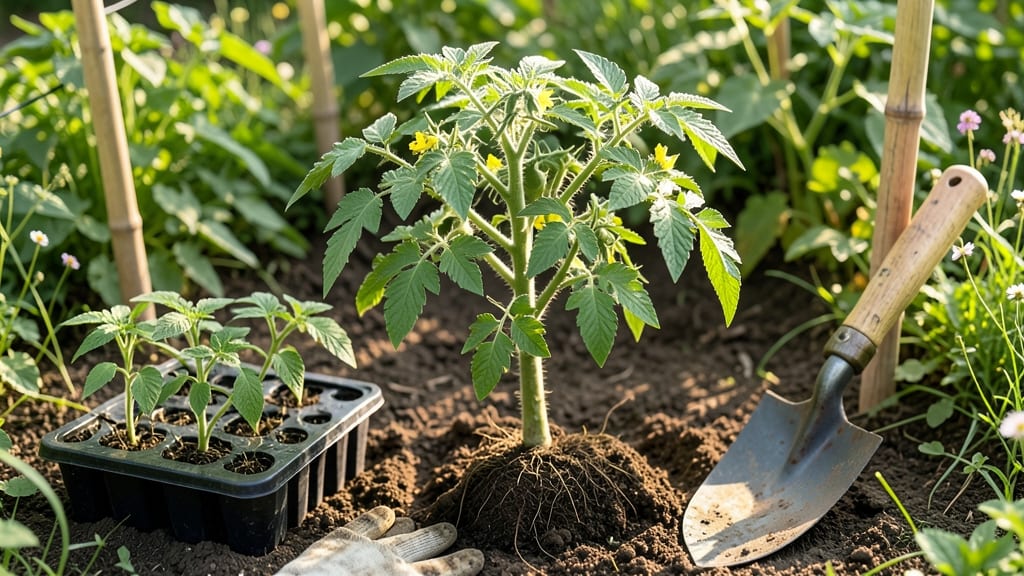
The best time to plant tomatoes in Georgia isn’t just about checking a calendar—it’s about catching that sweet spot between frost risks and scorching summer heat. 🍅 Whether you’re a seasoned gardener or just starting, getting this timing right means the difference between a thriving harvest and a sad, wilted disappointment.
Georgia’s 7b-8b climate gives us a longer growing season than many northern states, but that doesn’t mean we can plant whenever we feel like it. Soil temperature, frost dates, and even humidity play critical roles in whether your tomato plants will take off or struggle from day one.
I’ve learned the hard way that planting too early can leave your seedlings vulnerable to late frosts, while waiting too long might mean your plants bolt before producing fruit.
The key is knowing when to start seeds indoors, when to transplant seedlings, and how to stretch your harvest with succession planting—all tailored to Georgia’s unique conditions.
In this guide, I’ll break down the exact frost-free windows, soil temperature secrets, and planting strategies that work for Georgia gardeners. Whether you’re in Atlanta, Savannah, or the mountains, you’ll find out how to time your tomato planting for peak flavor and maximum yield—no guesswork required.
Georgia’s frost-free window & soil temperature requirements for tomatoes
Georgia’s USDA Zones 7b-8b mean you can grow tomatoes year-round with proper timing, but frost dates and soil temperatures are critical. The last average frost in most of Georgia falls between March 15 (North) and February 15 (South), while the first frost arrives around November 15.
This gives you a 220-day frost-free window—perfect for two planting cycles: spring and fall.
Tomatoes thrive when soil temperatures stay between 55°F and 85°F. Below 55°F, seeds won’t germinate, and above 90°F, plants may suffer from heat stress. Use a soil thermometer to check depth (2-3 inches) before planting.
In Georgia, soil typically warms to 60°F by mid-April in the South and late April in the North.
Here’s how Georgia’s regions differ in readiness:
| Region | Last Frost Date | Ideal Planting Window | Soil Temp for Planting |
|---|---|---|---|
| North Georgia (Zone 7b) | Mid-April | Late April - Early June | 60°F+ |
| Central Georgia (Zone 7b-8a) | Mid-March | Early April - Late May | 58°F+ |
| South Georgia (Zone 8b) | Late February | Early March - Early June | 55°F+ |
| Fall Planting (All Regions) | N/A | Late July - Early August | 65°F+ (soil) |
For fall planting, aim to harvest before the first frost. Start seeds indoors in late June and transplant seedlings in late July when soil temperatures drop below 90°F. Varieties like 'Solar Fire' or 'Celebrity' are heat-tolerant and ideal for late-season planting.
If you’re unsure about your last frost date, check the Georgia Climate Project or use the Almanac’s Frost Calculator. In mountainous areas (Zone 7a), wait until May 1 to plant outdoors, as frost can linger longer. For coastal regions, you can start as early as February 15.
Tomatoes also need well-draining soil with a pH of 6.0-6.8. Test your soil using a home test kit or send a sample to the University of Georgia Extension Service. Amend clay-heavy soil with compost or sand to improve drainage, and add aged manure for nutrients.
One common mistake is planting too early, even if the air is warm. Cool soil can stunt root growth, leading to weak plants. Use black plastic mulch to warm the soil faster in spring or straw mulch in fall to retain heat.
This trick can shave off 1-2 weeks from your planting timeline.
For container gardening, soil warms up faster than in-ground beds. Place pots in full sun and use dark-colored containers to absorb heat. Monitor soil temperature daily with a thermometer—once it hits 60°F, your seedlings are ready to go outside.
Remember, Georgia’s humid climate can accelerate soil warming. If you’re in a low-lying area, soil may reach 60°F by late March, while higher elevations might need to wait until May. Always adjust your planting schedule based on actual soil temps, not just air temperature.
🌱
Step-by-step planting timeline for Georgia gardeners (by region)
Georgia’s diverse microclimates—from Atlanta’s USDA Zone 7b to Savannah’s Zone 8a—mean your tomato planting schedule should match your region. Start seeds indoors 6-8 weeks before your last frost date (typically mid-March for North Georgia and early March for Savannah).
For mountainous areas, add 2 extra weeks to account for cooler temps.
Transplant seedlings outdoors 2-3 weeks after your last frost date, when soil temps hit 60°F+. In Savannah, this could be as early as mid-February, while Atlanta waits until late March. For a fall harvest, plant seeds indoors in July and transplant by mid-August.
Here’s your region-specific timeline for spring planting, using popular varieties like 'Celebrity' (determinate) and 'Solar Fire' (indeterminate). Adjust for your exact location using the USDA Plant Hardiness Map.
🌱 Spring Planting Timeline (North Georgia: Atlanta Area)
- Feb 15-20: Start seeds indoors under grow lights (65-75°F soil temp).
- Mar 15-20: Harden off seedlings (acclimate to outdoors).
- Apr 1-15: Transplant after last frost (50°F+ nighttime temps).
- Apr 30: Add mulch to retain moisture and suppress weeds.
- Jun 15: Begin succession planting for late-season varieties.
🌿 Spring Planting Timeline (South Georgia: Savannah Area)
- Feb 1-15: Start seeds indoors (earlier due to warmer soil).
- Mar 1-10: Transplant seedlings outdoors (soil temp 65°F+).
- Mar 20: Protect young plants from late frosts with row covers.
- Apr 15: Remove row covers and stake indeterminate varieties.
- May 1: Begin fertilizing with 10-10-10 for flowering.
🍅 Fall Planting Timeline (All Regions)
- Jul 1-15: Start seeds indoors for late-season varieties (e.g., 'Mountain Merit').
- Aug 1-15: Transplant seedlings outdoors (soil temp 70°F+).
- Aug 30: Use black plastic mulch to warm soil and extend harvest.
- Sep 15: Prune suckers to focus energy on fruit production.
- Nov 1: Harvest before first frost (use row covers to delay frost).
For succession planting, repeat the process every 2-3 weeks from April through June to stagger harvests. This ensures a continuous supply of tomatoes and reduces blight risk by avoiding overcrowded plants.
In Georgia’s humid climate, spacing is critical: plant determinate varieties 18-24 inches apart and indeterminate types 24-36 inches apart.
Pro tip: Use a soil thermometer to confirm readiness—60°F+ is non-negotiable for tomato roots. If temps drop below 50°F, cover seedlings with frost blankets or move pots indoors temporarily. With this timeline, you’ll enjoy tomatoes from June through October (or September through November for fall plantings)!