
Plants
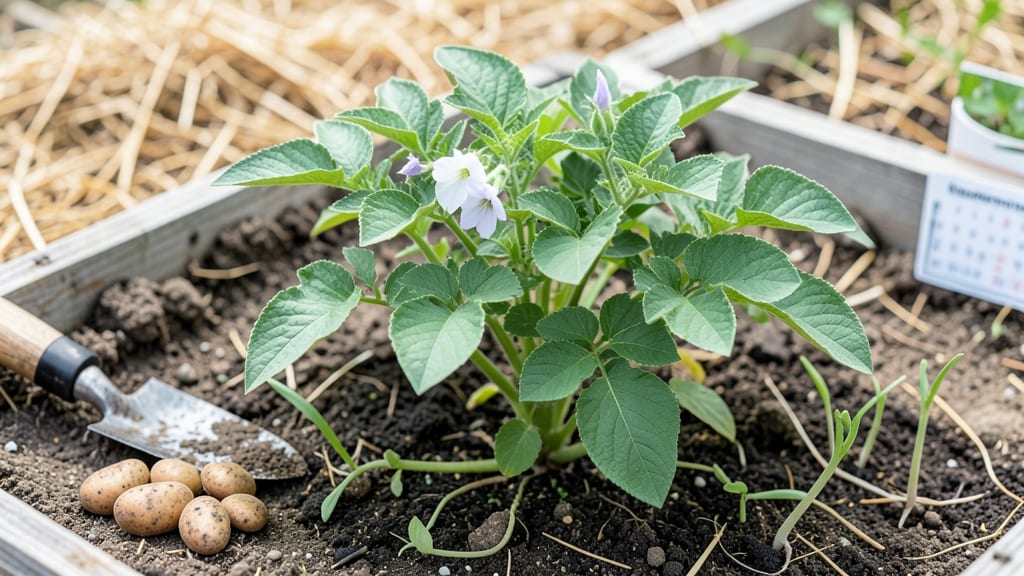
Optimal planting months for potatoes in Florida’s climate zones
Florida’s warm climate and long growing season mean potatoes thrive best when planted during cooler months. Unlike northern states, Florida gardeners can grow potatoes year-round with proper timing, but spring planting yields the most reliable harvests.
The key is avoiding extreme summer heat, which stresses plants and reduces tuber formation.
Florida spans three distinct climate zones—North, Central, and South—each with unique planting windows. In North Florida (Zones 7b-8a), where frost is possible, aim for late February to early March.
Central Florida (Zone 9a) offers a wider window from January to April, while South Florida (Zone 10a) can plant year-round, with peak success in fall and winter.
Soil temperature is critical—potatoes need 45-55°F soil to sprout. Use a soil thermometer to confirm readiness. In Florida’s heat, planting too early can lead to rot-prone tubers, while waiting too long risks bolting (premature flowering). Let’s break down the best months for each region.
Here’s a quick reference for optimal planting windows by Florida zone, including soil prep tips:
| Florida Zone | Best Planting Months | Soil Temp Goal | Prep Tip |
|---|---|---|---|
| North (Zones 7b-8a) | Late Feb–Early Mar | 45–55°F | Add compost to improve drainage |
| Central (Zone 9a) | Jan–Apr | 50–60°F | Use shade cloth for young plants |
| South (Zone 10a) | Sep–Nov or Jan–Feb | 55–65°F | Mulch heavily to retain moisture |
For North Florida, prioritize early spring planting to avoid summer’s oppressive heat. In Central Florida, you can stretch planting into April, but monitor for heat stress (yellowing leaves). South Florida gardeners have the most flexibility, with fall and winter being ideal for heat-sensitive varieties.
Pro tip: In South Florida’s Zone 10a, plant seed potatoes in September for a winter harvest before temperatures rise. This avoids the 30-40°F nights that can cause chilling injury in tubers. Use black plastic mulch to warm soil faster in cooler months.
After planting, maintain consistent moisture—Florida’s dry spells can stress potatoes. Water deeply 2-3 times per week, aiming for 1-2 inches of water per week. Avoid overhead watering to prevent disease spread like blight, which thrives in Florida’s humidity.
Harvest timing varies by variety, but most Florida potatoes are ready in 75-90 days. Look for yellowing foliage and firm tubers the size of a golf ball. In South Florida, you can even get two harvests per year by planting in fall and spring.
Remember: Florida’s humidity and heat demand well-draining soil and disease-resistant varieties. Choose certified seed potatoes (not grocery store spuds) to avoid viruses that flourish in warm climates. With the right timing and care, you’ll enjoy homegrown potatoes year-round!
Optimal planting months for potatoes in Florida’s climate zones
Florida’s diverse climate zones—from the cooler North to the tropical South—mean planting potatoes requires precise timing. Unlike northern states, Florida rarely experiences frost, so we focus on soil temperature and heat tolerance instead of frost dates.
The best window is when daytime highs stay below 85°F and soil warms to 55-65°F.
In North Florida (Zones 7b-8a), like Jacksonville or Tallahassee, aim for late February to early March. Here, cooler winters allow earlier planting, but avoid April as temperatures rise too quickly.
For Central Florida (Zones 8b-9a), including Orlando and Tampa, March to early April is ideal—just before the brutal summer heat sets in.
| Zone | Best Planting Month | Soil Temp | Key Tip |
|---|---|---|---|
| North (7b-8a) | Late Feb–Early Mar | 55–65°F | Use black plastic mulch to warm soil faster. |
| Central (8b-9a) | March–Early Apr | 60–68°F | Plant in raised beds for better drainage. |
| South (9b-10a) | Aug–Sept (Fall) | 70–75°F | Choose heat-tolerant varieties like 'Sweetheart'. |
For South Florida (Zones 9b-10a), including Miami and Key West, summer heat makes spring planting risky. Instead, opt for a fall planting window in August to September, when temperatures dip slightly. This region’s long growing season lets you harvest before winter rains arrive.
Regardless of zone, always test soil moisture before planting—Florida’s sandy soils dry out fast. A simple trick: squeeze a handful of soil; if it crumbles, water it 24 hours before planting. Overwatering early on can rot tubers, so aim for consistent moisture, not soggy soil.
Pro tip: Plant seed potatoes shallowly—just 3–4 inches deep—and mound soil around stems as they grow. This protects tubers from sunlight exposure, which turns them green and toxic. In Florida’s heat, shallow planting also helps tubers mature faster.
Timing is everything—get it right, and you’ll beat the heat and enjoy homegrown spuds by summer’s end! 🥔