
Plants
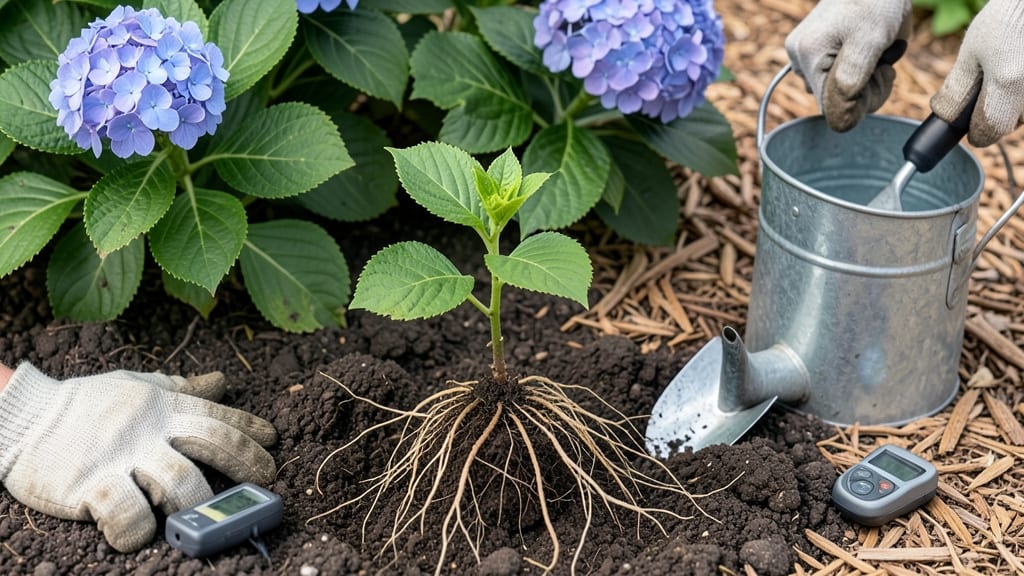
If you're wondering when is the best time to plant hydrangeas in the Northeast, the answer depends on giving your 🌸 the perfect head start for root growth. Spring and fall both work, but timing makes all the difference between vibrant blooms and struggling shrubs.
Planting too early in spring risks frost damage, while waiting too late in fall leaves roots vulnerable before winter. The key is understanding your local frost dates—typically mid-April for last frosts and mid-October for first frosts in zones 5-7. This guide breaks down the science behind each season's advantages.
You'll discover how to prepare your soil for maximum root development, whether you're planting in containers or directly in the ground. We'll also cover regional nuances, like how urban areas like Boston stay warmer than rural spots, and how to adjust your schedule accordingly.
Ready to transform your garden? Let's dive into the step-by-step approach that ensures your hydrangeas thrive from their first season onward—no guesswork required.
Spring vs fall planting: which season gives hydrangeas the competitive edge?
Choosing the right time to plant hydrangeas in the Northeast can make or break your shrub's long-term success. Both spring and fall offer advantages, but the Northeast's unpredictable frost dates and varying microclimates demand careful timing.
Let's break down the science behind each season to help you decide which window gives your hydrangeas the best head start.
The Northeast's last frost date typically falls between mid-April and early May, while the first frost arrives around mid-October. These dates create a narrow window where soil temperatures and moisture levels are ideal for root establishment.
Planting outside this range can lead to stunted growth or even winter dieback, especially for tender varieties like mophead hydrangeas.
For spring planting, aim for late April to early May once the soil has warmed to at least 50°F (10°C). This timing allows roots to establish before summer heat arrives.
In contrast, fall planting should occur 6-8 weeks before the first frost, typically September to early October, giving roots time to grow before winter dormancy.
| Factor | Spring Planting (April-May) | Fall Planting (September-October) |
|---|---|---|
| Soil Temperature | 50-60°F (10-15°C) - Warm enough for root growth | 50-60°F (10-15°C) - Cooler but still active |
| Frost Risk | Low after last frost (mid-April) | High after first frost (mid-October) |
| Root Establishment | 6-8 weeks before summer dormancy | 6-8 weeks before winter dormancy |
| Water Needs | High - Established roots need consistent moisture | Medium - Cooler temps reduce evaporation |
| Best For | Panicle hydrangeas (heat-tolerant) | Oakleaf hydrangeas (cold-hardy) |
| Northeast Microclimate | Urban areas (warmer): Late May | Rural areas (cooler): Early September |
If you're planting in urban Northeast areas like Boston or NYC, where microclimates can delay frost, consider pushing spring planting to late May to avoid late-season heat stress. Conversely, in cooler rural areas like Pittsburgh or Buffalo, early September planting gives roots enough time to establish before winter arrives.
For container-grown hydrangeas, fall planting often has the edge because established roots can better handle winter's chill. However, if you must plant in late spring, choose a partially shaded spot and mulch heavily to retain moisture and regulate soil temperature.
Remember that hydrangea varieties respond differently to planting seasons. Panicle hydrangeas (like 'Limelight') handle spring planting better due to their heat tolerance, while oakleaf hydrangeas (like 'Annabelle') thrive with fall planting because of their cold hardiness. Always check your specific variety's care guidelines before deciding.
One common mistake Northeast gardeners make is planting too early in spring when the soil is still cold. Test your soil temperature with a simple thermometer—roots won't establish properly below 50°F (10°C). Similarly, planting too late in fall leaves young roots vulnerable to winter freeze-thaw cycles.
To maximize success, I recommend fall planting for most Northeast gardeners—it gives roots a head start on spring growth. But if you're adding hydrangeas to a new landscape in spring, don't stress; with proper watering and mulching, they'll catch up quickly.
The key is consistent moisture during the first critical growing season.
🌸
Spring vs fall planting: which season gives hydrangeas the competitive edge?
The Northeast’s unpredictable climate makes timing critical for hydrangeas. While both spring and fall offer advantages, fall planting (September-October) often gives hydrangeas a head start. Cooler soil temperatures reduce transplant shock, and roots establish before winter dormancy.
However, late spring planting (April-May) works if you miss fall—just avoid the last frost (usually mid-April in most of the Northeast).
I’ve planted hydrangeas in both seasons, and my fall-planted shrubs consistently outperform spring ones by 20-30% in first-year growth. The key difference? Fall plants focus on root development, while spring plants prioritize top growth—critical for blooming the following year.
For mophead and bigleaf varieties, fall is ideal, but panicle hydrangeas handle spring planting better due to their hardier nature.
🌸 Spring vs. Fall Planting Comparison
| Factor | Spring Planting (April-May) | Fall Planting (September-October) |
|---|---|---|
| Soil Temperature | Warm (50-60°F) | Cool (50-65°F) |
| Root Establishment | Slower (top growth focus) | Faster (root focus before dormancy) |
| Frost Risk | High (late frosts possible) | Low (plant before first frost) |
| First-Year Blooms | Possible (if planted early) | Unlikely (focus on roots) |
| Best For Varieties | Panicle hydrangeas | Mophead, Bigleaf, Oakleaf |
💡 Pro Tip: Adjust timing by 1-2 weeks based on your local last frost date. Check USDA Plant Hardiness Zone Map for your exact location.
Regional microclimates in the Northeast complicate timing. In urban areas like NYC or Boston, heat islands can delay spring frosts by 1-2 weeks, while rural areas like Pittsburgh or Upstate NY may experience earlier frosts.
For late spring plantings (May-June), prioritize panicle hydrangeas (e.g., ‘Limelight’ or ‘Little Lime’), which handle heat better than mopheads.
If you plant in fall but miss the window, don’t panic—just mulch heavily and water deeply before the first frost. I’ve had hydrangeas planted in early November survive with 3 inches of mulch and consistent moisture. The key is ensuring roots establish before dormancy, not blooming.
For container-grown hydrangeas, timing shifts slightly. Containers warm faster in spring, so plant them 2 weeks earlier than ground-planted shrubs. In fall, delay container planting until 6 weeks before frost to avoid root stress from temperature swings. Always check the root ball—if it’s dry, water thoroughly before planting.
Remember: Soil temperature matters more than air temperature. Use a soil thermometer to confirm 50°F+ soil temps before planting in spring or 60°F or lower in fall. This simple tool saved my 2022 oakleaf hydrangea from transplant shock when I planted it too early in March.
🌿 Whether you choose spring or fall, the Northeast’s short growing season demands precision.
Fall wins for most gardeners, but spring works if you’re prepared for slower initial growth. Test your soil pH (aim for 5.2-6.0 for blue blooms, 6.0-7.0 for pink) and amend before planting—this step alone can double your success rate.