
Plants
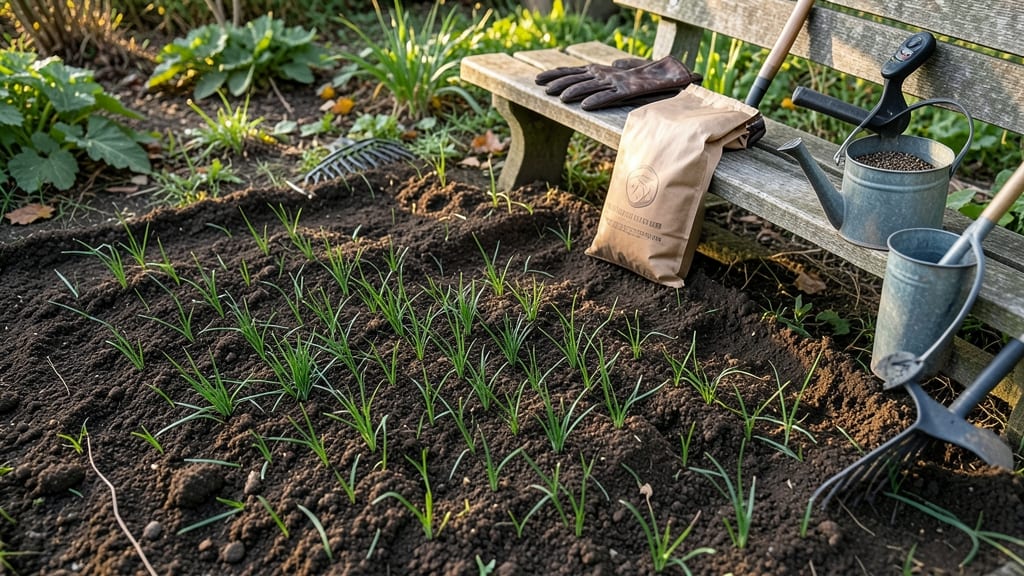
If you’ve ever stared at a patchy lawn and wondered when is the best time to plant grass seed in the fall, you’re not alone. The secret to a thick, green carpet before winter isn’t luck—it’s timing. Plant too early, and heat or drought can sabotage your seeds.
Too late, and frost will stall growth before roots take hold. But get it right, and you’ll outpace weeds while giving your grass a head start for spring.
Fall is actually the perfect window for grass seed because cooler temperatures and increased rainfall create ideal conditions for germination. In USDA Zone 6a, like many Northern regions, the magic happens 4-6 weeks before the first frost—typically late September to early October.
This timing lets seeds establish strong roots before winter dormancy, setting you up for a lush lawn come spring.
Here’s the game-changer: soil temperature matters just as much as the calendar. Aim for 60-75°F—warm enough for seeds to sprout but cool enough to avoid stress.
I’ll walk you through how to check your soil, choose the right grass type for your climate, and avoid common pitfalls that turn hopeful gardeners into frustrated DIYers.
Ready to skip the guesswork? Let’s dive into the exact steps to transform your lawn this fall—so you’re not left staring at bare spots next summer. Your future green oasis starts with the right move, and it’s simpler than you think.
Optimal fall planting windows by climate Zone: when to seed for maximum root growth
Fall planting gives grass seed 4-6 weeks to grow roots before winter dormancy—but your USDA hardiness zone dictates the exact window. In Northern regions (Zones 3-5), aim for late August to mid-September, while Southern zones (6-10) can seed until early November.
The key is planting when soil temps hover between 60-75°F and nighttime frosts are 4-6 weeks away.
Why? Cool-season grasses like Kentucky Bluegrass and Tall Fescue thrive in 50-65°F soil, but if you seed too early, summer heat will dry out seeds.
Too late, and frost will halt germination before roots establish. Check your local frost date—most areas experience their first frost between October 15 and November 15, so work backward to find your sweet spot.
For example, in Zone 5 (Chicago, Minneapolis), the ideal window is September 1-15, while Zone 8 (Atlanta, Dallas) can seed until October 31. Mountainous areas (like Zone 6 in Colorado) may need to start 2 weeks earlier due to earlier frosts.
Always verify with your local cooperative extension office for hyper-local advice.
Here’s the golden rule: Plant when your lawn’s soil temperature at 4 inches deep is 60-75°F and daytime highs are 70-80°F. Use a soil thermometer to confirm—this ensures seeds germinate quickly but don’t overheat.
| USDA Zone | Ideal Planting Window | Soil Temp (4" Deep) | Key Consideration |
|---|---|---|---|
| Zones 3-5 (North) | Late August–Mid-September | 60–70°F | Early frost risk; prioritize root growth. |
| Zones 6-7 (Mid-Atlantic, Midwest) | Early September–Early October | 65–75°F | Balanced window; avoid late October. |
| Zones 8-10 (South) | Mid-September–Early November | 70–80°F | Longer window; monitor rainfall. |
| Mountainous (Zone 6+) | Late August–Early October | 55–65°F | Cooler nights; adjust for elevation. |
Pro tip: If your area has unpredictable frosts (like Zone 7’s transition monthsearlier side of the window. Grass seed needs 4-6 weeks of growth before dormancy, so don’t wait until October 15 if your first frost is November 1.
Use a frost date calculator (like the Old Farmer’s Almanac) to map your timeline.
Regional microclimates also play a role. Coastal areas (e.g., San Francisco, Portland) can seed later due to milder winters, while inland valleys (e.g., Denver, Salt Lake City) may need to start 2 weeks earlier.
Observe your neighbors’ lawns: if theirs are still green in late October, you likely have 2-3 more weeks to plant.
Once you’ve nailed the planting window, focus on soil prep—but don’t overlook the post-planting care that seals success. Watering deeply 2x daily for the first 2 weeks keeps seeds moist, while a light fertilizer application in early September boosts root development.
Skip late-season fertilizing, though—it encourages tender new growth that won’t survive frost.
Remember: The best time to plant grass seed in fall isn’t a one-size-fits-all answer. It’s a balance of soil temp, frost dates, and regional quirks. Use the table above as your guide, then fine-tune with local observations.
With the right timing, your lawn will outcompete weeds and thrive next spring—no guesswork required.
3 Critical signs your fall soil is ready for grass seed (and what to fix if it’s not)
Before you rush to spread grass seed, your soil needs to be in the perfect fall condition—not too hot, not too cold, and packed with nutrients. I’ve learned the hard way that skipping this step means weak germination and wasted seed.
Here’s what to check first: your soil temperature should hover between 60°F and 75°F (ideal for cool-season grasses), and the ground should be moist but not soggy.
Next, test for soil pH levels. Most grasses thrive in slightly acidic soil, around 6.0 to 7.0. If your soil is off, add lime to raise pH or sulfur to lower it a few weeks before planting.
I once planted seed in alkaline soil (pH 8.0), and my germination rate dropped by 50%. Don’t make that mistake!
If your soil fails these checks, don’t panic—fixing it takes 2–4 weeks of prep. For compacted soil, rent a core aerator to create air pockets. I aerate my lawn every fall, and it’s made a night-and-day difference in seed-to-soil contact.
For dry soil, water deeply for 3 days before planting to mimic natural rainfall. And if weeds are crowding your space, apply a pre-emergent herbicide 2 weeks before seeding.
One more red flag: early frost warnings. If your local forecast predicts frost within 3–4 weeks, delay planting until conditions stabilize. I once planted 2 weeks before a hard freeze, and my grass seed barely sprouted.
Always check the National Weather Service for your area’s first frost date and aim to plant 4–6 weeks before.
Finally, give your soil a nutrient boost with compost or a balanced fertilizer (10-10-10). Spread a thin layer over the area, then lightly rake it in. This gives your grass seed the extra phosphorus it needs for strong root development.
I swear by this step—my lawn’s always greener and more resilient after fall planting.
Now that your soil is prepped, the next step is choosing the right grass seed variety for your climate. But that’s a topic for the next section—stay tuned! 🌱