
Planting
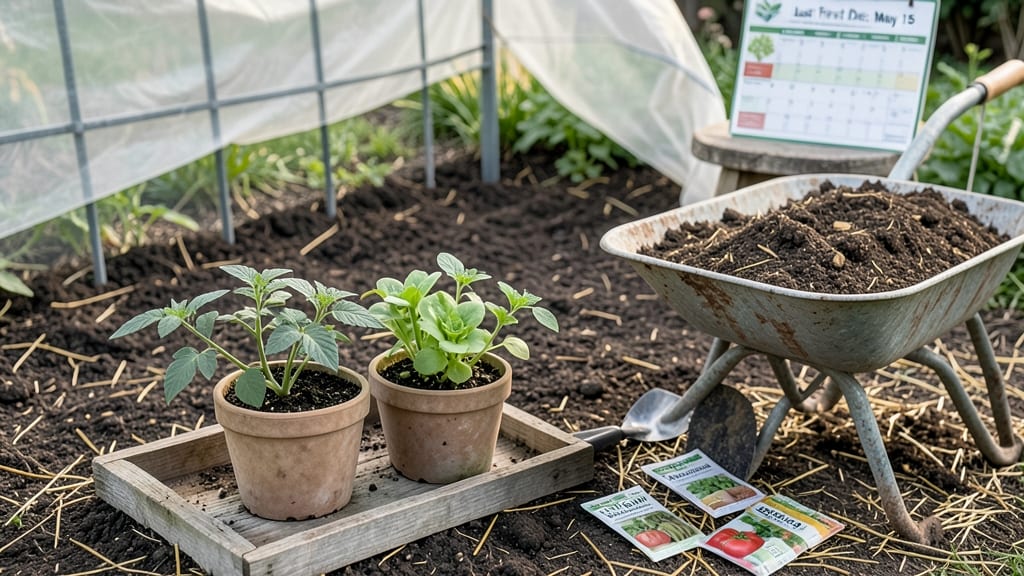
Timing when is the best time to plant a garden in Michigan isn’t just about luck—it’s the difference between a thriving 🌱 harvest and wasted effort. With USDA zones 5b-6b bringing unpredictable frost dates, knowing when to plant means the difference between success and disappointment in your garden.
Most gardeners in Michigan wait until mid-April to mid-May for spring planting, but that’s just the start. Fall planting in late August to early September can extend your growing season even further—if you play your cards right.
The key is understanding how Michigan’s climate varies between the Upper and Lower Peninsulas.
In this guide, I’ll break down the exact planting windows for your favorite vegetables, flowers, and herbs—plus how to adjust for Michigan’s quirky weather. Whether you’re a first-time gardener or a seasoned pro, these tips will help you avoid common mistakes and maximize your harvest.
Ready to turn your garden dreams into reality? Let’s dive into the best times to plant—and how to make sure your 🌱 thrives all season long.
Michigan planting deadlines by USDA zone (5B vs 6A): exact dates for vegetables, flowers & herbs
Michigan’s USDA Zones 5B and 6A create distinct planting windows, especially between northern (Zone 5B) and southern (Zone 6A) regions.
The average last frost date ranges from mid-April in southern Michigan to early May in the Upper Peninsula, while the first frost typically arrives between mid-October and early November.
These dates are your gardening lifeline—plant too early, and frost will kill tender seedlings; wait too long, and you’ll miss the growing season.
For cool-season crops like spinach, kale, and peas, you can start as early as March or early April under row covers or in a greenhouse. These hardy plants thrive in 40–50°F soil temperatures and can even handle light frosts.
Meanwhile, warm-season crops like tomatoes, peppers, and cucumbers demand patience—they won’t tolerate frost and need soil temperatures above 60°F to germinate.
Here’s where things get tricky: Michigan’s microclimates mean your neighbor’s perfectly timed garden might fail in your backyard. For example, southern Michigan (Zone 6A) often enjoys 2–3 extra frost-free weeks compared to the Upper Peninsula (Zone 5B).
Always check your local Almanac frost dates or use a soil thermometer to confirm readiness—don’t rely solely on calendar dates.
🌱 Pro Tip: Use Michigan State University Extension’s interactive frost map to pinpoint your exact last-frost date. This tool accounts for elevation, proximity to lakes (which delay frost), and historical data—far more accurate than guessing!
| Plant Type | USDA Zone 5B (Northern MI) | USDA Zone 6A (Southern MI) | Soil Temp Requirement | Notes |
|---|---|---|---|---|
| Cool-Season Crops | Mid-April – Early May | Late March – Mid-April | 40–50°F | Spinach, peas, kale, lettuce |
| Warm-Season Crops | Late May – Early June | Mid-May – Late May | 60°F+ | Tomatoes, peppers, cucumbers |
| Perennials | Early May – Early June | Late April – Early May | 50–60°F | Asparagus, rhubarb, strawberries |
| Fall Planting | Late August – Early September | Early September | 50–60°F | Kale, broccoli, radishes |
🌡️ Always verify soil temperature with a thermometer—calendar dates are just a starting point!
Fall planting is another game-changer for Michigan gardeners. By planting cool-season crops in late August or early September, you can harvest well into November or December before the first frost.
For example, broccoli and kale planted in early September often produce sweeter, more tender leaves after a light frost—a phenomenon called "sweetening". Just be sure to use row covers or cold frames to extend the season further.
Herbs like parsley, cilantro, and chives are surprisingly frost-tolerant and can be sown as early as March or planted out in April. Meanwhile, basil and dill are heat-lovers that should wait until after the last frost and thrive in summer’s warmth.
Pay attention to seed packet instructions, which often specify "days to maturity"—this tells you how many weeks you have to harvest before frost.
For flowers like marigolds, zinnias, and cosmos, you can start seeds indoors in March or sow directly after the last frost. These fast-growing annuals will bloom all summer long if planted by mid-May.
Perennials like daylilies, coneflowers, and black-eyed Susans should be planted in spring or early fall to establish strong roots before winter.
Don’t forget about su
How to adjust planting times for Michigan’s unpredictable weather: 5 pro tips for success
Michigan’s last frost dates can swing by weeks—sometimes even overnight—but that doesn’t mean your garden is doomed. With the right strategies, you can extend your growing season and protect tender plants from late frosts or early chills. The key? Flexibility and preparation.
First, always check the soil temperature, not just air temperature. Most vegetables need soil at 50°F (10°C) before planting, while warm-season crops like tomatoes require 60°F (15°C). A soil thermometer is your best friend here—never plant based on air temps alone.
Here’s where row covers and cold frames become game-changers. These simple tools can add 4-6°F (2-3°C) of protection, letting you plant 2-3 weeks earlier in spring or extend harvests by weeks in fall.
For example, I’ve used floating row covers to plant spinach in early April when air temps were still flirting with freezing.
🌱 5 Pro Tips for Adjusting Planting Times in Michigan
- 1. Use a frost calendar from your local Michigan State University Extension office—these are updated yearly and account for regional microclimates.
- 2. Plant cold-hardy varieties like kale, peas, and radishes 4-6 weeks before your last frost date for an early harvest.
- 3. Try succession planting: Sow fast-maturing crops (e.g., lettuce, bush beans) every 2-3 weeks to keep your garden productive all season.
- 4. Harden off transplants gradually—expose them to outdoor conditions for 7-10 days before planting to reduce shock.
- 5. Monitor weather forecasts and have a backup plan (like row covers) ready for late frosts.
Don’t overlook fall planting, either. Many vegetables thrive when planted in late August or early September, giving them time to mature before winter. For instance, broccoli and carrots often produce sweeter flavors when grown in cooler fall weather.
Just aim to harvest before first frost, which typically hits Michigan between mid-October and early November.
Finally, keep a gardening journal to track what works (and what doesn’t) in your specific yard. Note when you planted, any weather anomalies, and how your crops performed. Over time, you’ll spot patterns—like that 2023’s late May frost or 2022’s unusually warm April
With these adjustments, you’ll turn Michigan’s unpredictable weather into an advantage, not a roadblock. Happy planting! 🌿