
Plants
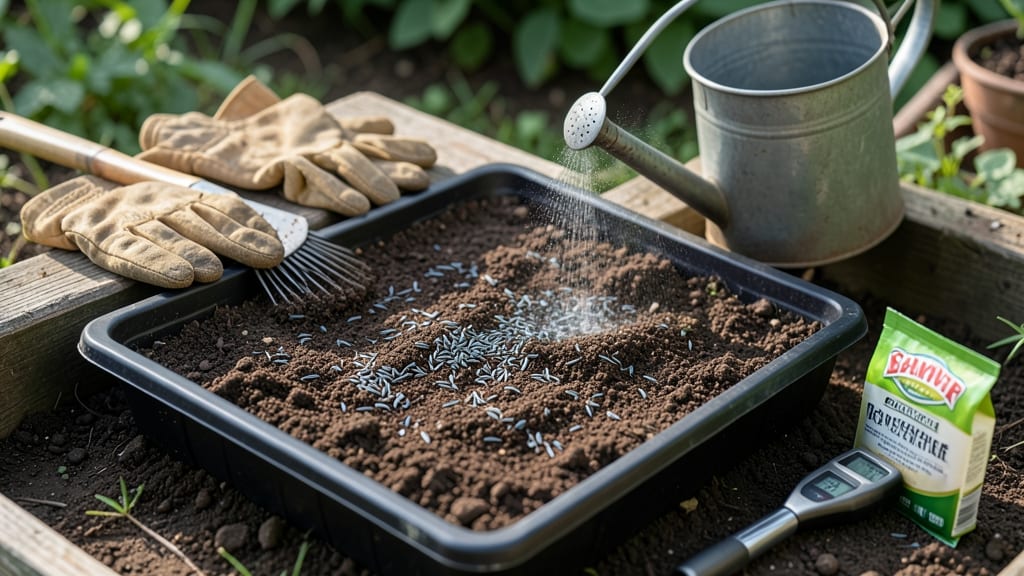
Ideal soil temperature ranges for spring grass seed germination
Timing your grass seed planting based on soil temperature is the single most important factor for fast germination and a thick, healthy lawn. Unlike air temperature, soil warmth triggers seed activation—plant too early or late, and you risk slow growth, uneven sprouting, or even seed rot.
For most cool-season grasses (like Kentucky bluegrass or fescue), the sweet spot is between 40°F to 55°F, while warm-season varieties (such as Bermuda or Zoysia) need 65°F to 75°F to thrive.
Here’s the catch: soil warms up 3-4 weeks after air temperatures rise consistently above freezing. That’s why planting in early spring—when air feels mild but soil is still chilly—often leads to disappointment.
For example, in USDA Zone 5, soil might hit 50°F in late April or early May, while Zone 8 soils could be ready by mid-March. Always check your local last frost date and adjust for soil lag time.
To test your soil temperature accurately, use a soil thermometer (available for under $10). Insert it 2 inches deep in bare soil, away from direct sunlight, and check readings in the late afternoon when soil is warmest.
Pro tip: Morning temperatures can be misleading—soil cools overnight, but seeds need consistent warmth to germinate.
If your soil is too cold (below 40°F), seeds may rot or fail to sprout. Conversely, planting when soil exceeds 75°F stresses cool-season grasses, causing them to go dormant or develop heat stress.
The key is to plant when your local extension office confirms soil temps are in the ideal range for your grass type.
Regional variations matter too. In the Pacific Northwest, where spring rains linger, soil may stay cool until May or June. Meanwhile, in the Southeast, warm soils can be ready by February.
Always align your planting with local microclimates—shady areas stay cooler than sunny spots, and north-facing slopes warm up slower.
🌱 Grass Seed Germination Soil Temp
Ideal soil temperature ranges for spring grass seed germination
Timing your grass seed planting based on soil temperature is the secret to strong germination. Most grass seeds need consistent warmth to sprout, but the right range depends on your grass type.
Cool-season grasses like fescue and ryegrass thrive when soil temps hit 40-55°F, while warm-season varieties such as Bermuda and Zoysia prefer 70-75°F or higher.
Testing soil temperature is simple: use a soil thermometer (insert 2-4 inches deep) or check the air temperature—soil is usually 5-10°F cooler than the air. Early spring mornings often drop below ideal temps, so wait until daytime highs consistently reach 60°F+ for warm-season grasses or 50°F+ for cool-season types.
Planting too early risks dormant seeds or slow growth.