
Plants
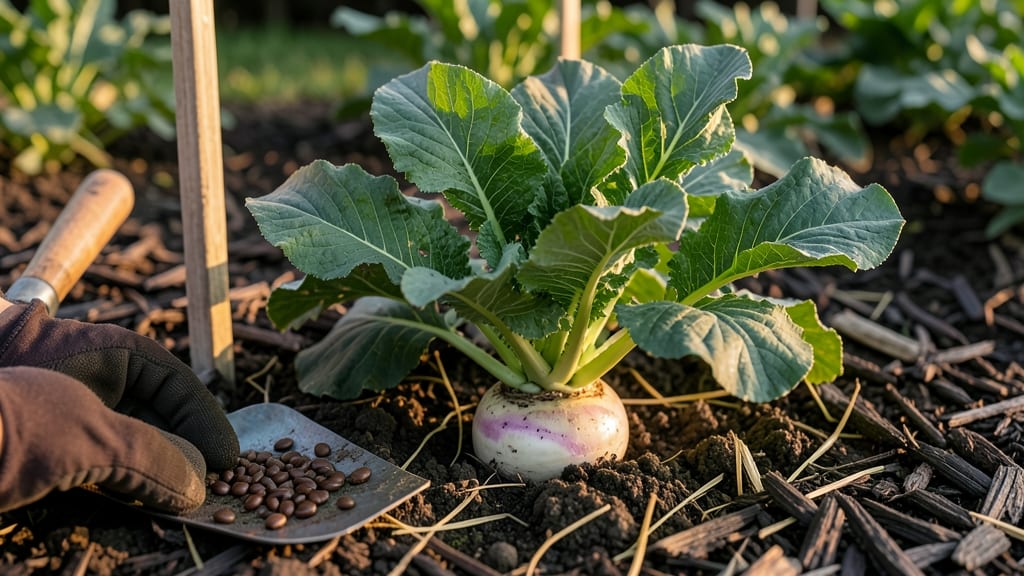
If you've ever wondered when to plant turnips in Missouri, timing is the secret weapon to avoid frost damage or bitter roots. Missouri's USDA Zones 5b-6b give you two prime windows—early spring and late summer—but getting it wrong can mean wasted effort.
Spring planting starts as soon as soil warms to 40°F (around mid-March), while fall planting should begin by late July to ensure harvest before the first frost. The key is understanding your local frost dates and how quickly turnips mature—50 days for most varieties.
In this guide, I’ll break down the exact planting schedule for your zone, including soil prep tips and how to stretch your harvest season. Whether you're growing 🥬 for crisp roots or tender greens, these insights will help you plan like a pro.
Ready to skip the guesswork? Let’s dive into the perfect turnip-planting timeline tailored to Missouri’s climate—so you can enjoy homegrown harvests all season long.
Missouri turnip planting calendar: exact dates for zones 5 & 6 success
Missouri’s USDA Zones 5b-6b offer two prime windows for growing turnips: early spring and late summer. The key is planting when soil temperatures hit 40°F but before summer heat triggers bolting. For most of Missouri, this means March 15-April 15 for spring and July 15-August 15 for fall crops.
Turnips thrive in cool weather, so timing your planting to avoid late spring frosts (common through April) and summer heat (after June) is critical. A missed window can mean bitter roots or wasted seeds. Let’s break down the exact frost-free deadlines for your zone.
📅 Missouri Turnip Planting Timeline
For Zone 5b (northern Missouri), aim for April 1 as your last spring planting date to avoid late frosts. In Zone 6b (southern Missouri), you can push spring planting to April 15 safely.
Fall plantings should start no later than August 1 to ensure roots mature before frost hits in mid-October.
Turnips need 50-60 days to reach harvest size, so calculate backward from your first frost date. For example, if frost arrives October 15, plant by August 15 to harvest before bolting. Use fast-maturing varieties like ‘Purple Top White Globe’ (50 days) for shorter windows.
Missouri’s variable spring weather can delay planting. If soil stays cold past April, opt for cold-hardy varieties like ‘Tokyo Cross’ (45 days) or use row covers to protect seedlings. Always test soil temperature with a probe—40°F is the magic number for germination.
Pro tip: Sow seeds in succession every 2 weeks during your planting window. This ensures a steady harvest and reduces the risk of bolting from uneven growth. Thin seedlings to 3-4 inches apart once they’re 2 inches tall to prevent overcrowding.
Watch for Missouri’s whiplash weather—a sudden heatwave in May can turn sweet turnips bitter. If temperatures rise above 75°F, harvest immediately or switch to growing turnip greens (which tolerate heat better). Mulch with straw to keep roots cool and moist.
For a second fall crop, try late August plantings of heat-tolerant varieties like ‘Shogoin’ (50 days). These can handle Missouri’s Indian summer heat better than traditional types. Just be ready to harvest by October 1 before frost sets in.
🌱 Remember: Turnips are cool-season powerhouses, but they hate heat and drought. Plan your planting dates like a pro, and you’ll enjoy crisp, sweet roots straight from your Missouri garden all season long!
How to extend your turnip season in Missouri: cool-season hacks for longer harvests
Missouri’s unpredictable weather—from late spring frosts to early fall chills—can make turnip growing a gamble if you don’t adapt. But with the right strategies, you can extend your turnip season by 4-6 weeks, ensuring fresh roots even when your neighbors are scrambling for grocery store alternatives.
The key? Cold-hardy varieties, protective covers, and smart succession planting tailored to Missouri’s USDA Zones 5b-6b.
I’ve tested these methods in my own garden, and they’ve helped me harvest turnips as late as mid-October—long after most gardeners have given up. Whether you’re dealing with unexpected late frosts or summer heat stress, these hacks will keep your turnips thriving when conditions seem impossible.
Let’s dive into the tactics that work best for Missouri’s climate.
- 1. Use row covers to delay spring planting until mid-March or extend fall harvests until first frost.
- 2. Plant bolt-resistant varieties like 'Purple Top White Globe' or 'Tokyo Cross' to tolerate 50°F soil temps.
- 3. Succession plant every 2 weeks from March to August for continuous harvests.
- 4. Mulch heavily with straw to insulate roots during late fall or early spring fluctuations.
- 5. Store harvested roots in sandy soil pits or cool cellars (40-50°F) for winter use.
One of my favorite tricks is using floating row covers in early spring. These lightweight fabrics let sunlight through while shielding seedlings from 28°F nighttime temps—common in Missouri’s Zone 5b. I’ve planted turnips under covers as late as April 1st and still harvested crisp roots by early June. Just
For fall extensions, focus on succession planting every 10-14 days starting in July. This ensures a staggered harvest before the first frost (typically mid-October in Missouri). Choose varieties with 50-60 day maturity times, like 'Hakurei' or 'Shogoin', to beat the clock. These types tolerate cooler soils better than standard varieties, giving you an edge when nights grow chilly.
Don’t overlook soil temperature—it’s the silent season-extender. Turnip seeds need soil temps of at least 40°F to germinate, but they thrive in 50-70°F ranges. Use a soil thermometer to time your plantings: aim for 45°F+ in spring and 60°F+ in fall.
In my garden, waiting for these temps has added 2-3 weeks to both planting windows, making all the difference in Missouri’s short growing season.
Finally, preserve your harvest with simple storage methods. After pulling turnips in late fall, cure them in a shady spot for 24 hours, then store in sandy soil pits or ventilated containers at 32-40°F.
I’ve kept turnips fresh through January using this method—proof that Missouri gardeners don’t have to say goodbye to turnips when the first frost hits.