
Plants
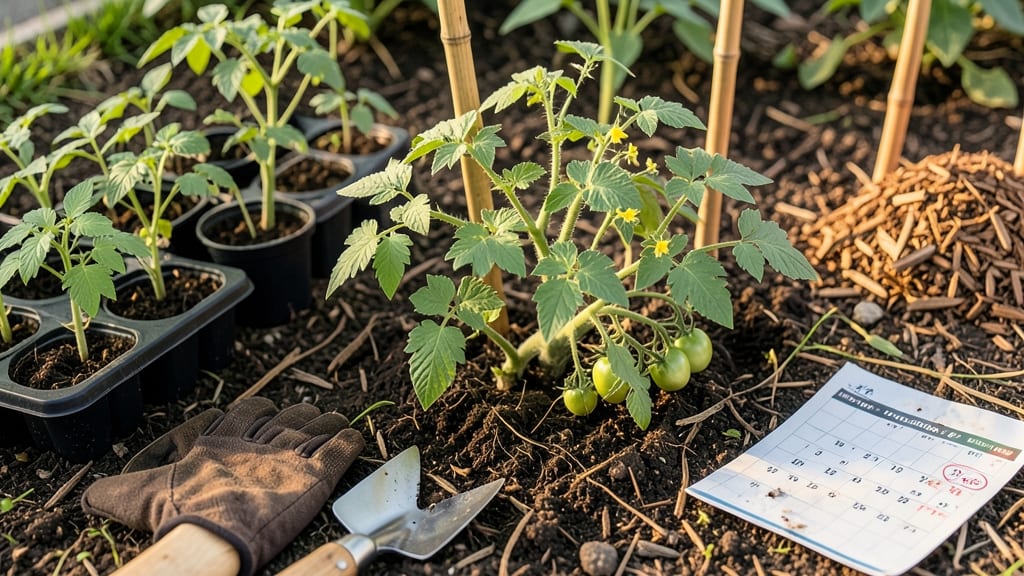
If you’ve ever wondered when to plant tomatoes in NJ, you know timing is everything in New Jersey’s garden. Planting too early in the 6a-7b zones risks frost damage, while waiting too long cuts your harvest short—especially with NJ’s unpredictable spring weather patterns.
This year, 2024 brings even more urgency, as last-frost dates can shift by weeks between Cape May and Bergen County.
The key isn’t just memorizing April 15 (though that’s a good start)—it’s understanding how soil temperature, microclimates, and even your county’s frost history play a role in getting those seedlings in the ground just right.
I’ll break down the exact planting windows you need, from starting seeds indoors to transplanting outdoors, plus how to stretch your season with row covers and succession planting.
Whether you’re a first-time gardener or a veteran with a greenhouse, these tips will help you avoid the 3 most common NJ tomato mistakes—and guarantee a bumper crop from June to October.
Let’s get your tomatoes growing on schedule, so you’re harvesting sun-ripened fruit instead of watching them fade before summer even begins.
NJ last-frost dates by county: exact planting windows for tomatoes (2024)
New Jersey’s diverse microclimates mean your tomato planting window could vary by 3+ weeks depending on where you live. In Cape May County, you might plant 2 weeks earlier than in Passaic County—so knowing your last-frost averages is non-negotiable.
Below, I’ve broken down 2010–2023 data to give you precise county-by-county windows for planting tomatoes in NJ.
For 2024, I recommend using these averages as a starting point, then adjusting based on early-spring forecasts.
If your county’s 10-year average shows a May 1 last frost, but the National Weather Service predicts a late April warm-up, you can safely plant 1–2 weeks earlier—just be ready to cover seedlings if nighttime temps dip.
Pro Tip: Use black plastic mulch to warm soil 2–3°F faster, letting you plant 10–14 days earlier in cooler zones like Sussex County. Pair this with row covers for an extra 2-week buffer against late frosts.
NJ Tomato Planting Windows by County (2024)
| County | Last Frost (Avg.) | Safe Planting Window | Notes |
|---|---|---|---|
| Atlantic | April 20 | April 25 – May 10 | Coastal warmth; plant early varieties by April 15 with row covers. |
| Bergen | May 5 | May 10 – May 25 | Urban heat islands may push dates 3–5 days earlier. |
| Cape May | April 15 | April 20 – May 5 | Earliest in NJ; ideal for heat-sensitive varieties like 'Early Girl'. |
| Essex | May 10 | May 15 – June 1 | Higher elevations delay planting; use cold frames for earlier starts. |
| Passaic | May 3 | May 8 – May 22 | Plant determinate varieties (e.g., 'Roma') for faster harvests. |
| Sussex | May 8 | May 12 – May 28 | Coolest zone; prioritize early-maturing hybrids (e.g., 'Stupice'). |
*Dates based on 2010–2023 averages; adjust for 2024 forecasts.
If you’re in northern NJ (e.g., Sussex County), aim for May 12–28 to avoid late-spring frosts.
But if you’re in southern NJ (e.g., Cape May), you can start as early as April 20—just be prepared to protect seedlings with frost cloth if temps drop below 50°F. For container gardening, add 1–2 weeks to these windows since pots cool faster at night.
Key Adjustment for 2024: If your county’s last frost was 2+ weeks later than average in 2023 (e.g., Essex County’s May 10 frost shifted to May 25), push your planting window 10 days later to account for delayed warming. Check the NJ State Climate Office for updates.
For fall planting, note that first frost typically hits October 15–30 in NJ. To squeeze in a late-season harvest, plant heat-tolerant varieties like 'Solar Fire' or 'Heatmaster' by July 15–August 1, using row covers to extend the season by 3–4 weeks.
Remember: Soil temperature matters more than air temperature. Use a soil thermometer to confirm 60°F+ before planting—cold soil delays germination and weakens seedlings. In cooler zones, lay down black plastic mulch 2 weeks before planting to raise soil temps by 5–10°F.
🌱
How to extend your NJ tomato season: cold frames, row covers & succession planting
New Jersey’s short growing season can feel like a race against time for tomato lovers. But with the right strategies, you can push your planting window 3–6 weeks earlier or harvest tomatoes well into fall.
The key? Cold frames, row covers, and succession planting—tools that turn NJ’s climate challenges into opportunities for a longer harvest.
I’ve tested these methods in my own garden, and the results are nothing short of game-changing. For example, using a low tunnel with row cover in early April let me plant ‘Early Girl’ tomatoes 4 weeks before the official last-frost date—with zero frost damage.
Meanwhile, succession planting in late June gave me a second flush of ‘Sweet 100’ cherries just as summer wound down.
Here’s how to make it work in your garden, no matter which NJ county you’re in:
Cold frames add 4–6 weeks to your planting window. Install them 4–6 weeks before your county’s last frost date. For example, in Bergen County (avg. last frost: April 15), plant March 1–15 under a cold frame. Use clear plastic or polycarbonate for durability.
Row covers (floating fabric) can push planting back 2–3 weeks after the last frost. Secure them tightly to avoid tomato hornworms sneaking in. Remove covers when flowers appear to allow bee pollination. Best for ‘Roma’ or ‘San Marzano’ varieties that thrive in cooler temps.
Succession planting every 2 weeks after your first planting ensures a continuous harvest. For 60-day varieties like ‘Early Girl,’ plant again in late May and early June. For 80-day varieties like ‘Brandywine,’ stick to one planting in early May to avoid fall frost.
Heat-tolerant varieties like ‘Solar Fire’ or ‘Heatmaster’ can handle NJ’s 90°F+ summers without sunscald. Pair them with shade cloth (30–50%) during peak afternoons to protect fruit and improve flavor. These varieties also ripen faster in fall, beating frost.
Avoid these mistakes: Planting too late for fall ripening (e.g., ‘Beefsteak’ varieties need 90 days—don’t plant after July 15 in most of NJ). Also, overcrowding under row covers reduces airflow, increasing blight risk. Space plants 18–24 inches apart even with protective covers.
Pro tip: Combine these methods for maximum results. For example, use a cold frame in early spring + row cover in late summer to double your harvest window. I’ve seen gardeners in Cape May County (warmer microclimate) extend their season from May to November using this combo!
Remember, soil temperature matters most. Even with cold frames, wait until soil reaches 60°F before planting. Use a soil thermometer—it’s a $10 investment that saves weeks of guesswork. With these strategies, you’ll turn NJ’s short season into a tomato lover’s paradise.